


Dry paws in dogs are common and often caused by weather, low humidity, rough surfaces, or simple irritation, though ongoing dryness can also point to allergies, infections, hyperkeratosis, autoimmune disease, or another underlying health problem. Your dog's nose and paw pads are built to withstand a lot: they help your dog explore the world, regulate moisture, walk across different surfaces, and interact with their environment every day, so when they become dry, rough, cracked, or irritated, comfort and mobility can be affected.
If you're a dog owner or pet parent trying to figure out why your dog's paws or nose look dry and what to do next, this guide will help you spot common causes, signs to watch for, safe home remedies, prevention steps, and the point at which simple care is no longer enough. Mild dryness can often be managed at home, but persistent, painful, or severe symptoms deserve veterinary attention before they lead to deeper cracks, infection, or ongoing pain and discomfort.
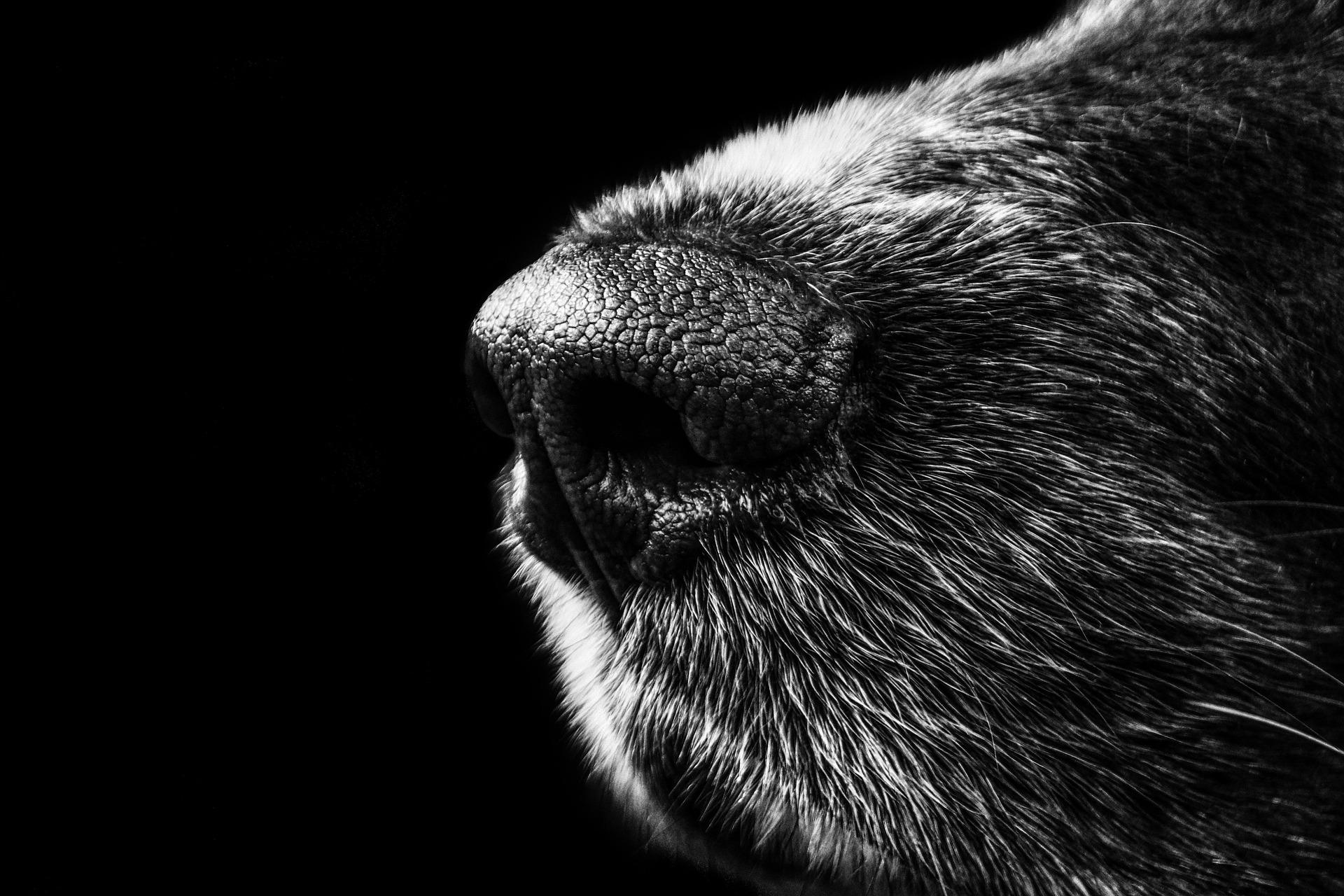
Is a Dry Dog Nose Always a Sign of Illness?
One of the most persistent myths about dogs is that a healthy dog should always have a cold, wet nose.
That's not necessarily true.
A healthy dog's nose can temporarily become warm or dry, particularly after sleeping. Dogs normally lick their noses throughout the day, helping keep them moist, but they do not lick their noses as frequently while sleeping. Exercise, dehydration, sunlight, wind, cold weather, and indoor heating can also contribute to temporary dryness. Likewise, a dog can be sick while still having a wet nose.
For this reason, your dog's nose should not be used as the only indicator of their overall health. Instead, pay attention to the bigger picture. Changes in appetite, energy, drinking, bathroom habits, breathing, and behavior are generally more useful clues.
A dry nose becomes more concerning when it is accompanied by cracking, sores, redness, bleeding, unusual discharge, or other signs of illness.
Why Do Dogs Develop Dry Noses?
There are many possible explanations for a dry nose. Some are temporary and harmless, while others deserve closer attention.
Sleeping
If you notice that your dog's nose is dry when they wake up, don't panic. Dogs generally lick their noses less while sleeping. Their noses may become temporarily dry and warm during a nap and become moist again once they wake up and resume their normal behavior.
Weather and Environmental Conditions
Cold, windy weather can dry out a dog's nose in much the same way that winter weather can cause dry or chapped skin in people. Hot weather and prolonged exposure to sunlight can also contribute to dryness. Dogs that spend a lot of time outdoors may be particularly susceptible. Indoor heating can contribute as well. A dog that sleeps directly beside a heat vent, radiator, fireplace, or other heat source may develop a dry nose because of prolonged exposure to warm, dry air.
Dehydration
Exercise, heat, illness, or inadequate access to water can contribute to dehydration, which may result in a dry nose. A dry nose by itself doesn't prove that a dog is dehydrated, but if your dog is also panting excessively, lethargic, vomiting, experiencing diarrhea, or has unusually dry or tacky gums, dehydration becomes a greater concern. Make sure your dog always has access to fresh, clean water.
Age
Some dogs develop drier noses as they get older. Aging can also make the skin and paw pads more susceptible to dryness and thickening. If an older dog's nose gradually becomes rougher or more crusty, it is worth mentioning to your veterinarian, particularly if the change is significant.
Allergies
Allergies can contribute to skin irritation and dryness. Dogs may be allergic to environmental substances such as pollen, grasses, dust mites, or molds, as well as certain ingredients in food. Allergies can also cause paw licking, scratching, redness, recurrent ear problems, and inflammation. If your dog's dry nose occurs alongside generalized itching or other skin problems, an allergy may be part of the picture.
Hyperkeratosis
Hyperkeratosis occurs when the body produces excessive keratin, causing the outer layer of the skin to become thickened and hardened. In dogs, hyperkeratosis commonly affects the nose and paw pads (Gross et al., 2008). It can produce a rough, crusty, flaky, or even horn like appearance. It is particularly common in some older dogs, and can also be seen in senior dogs, although it can occur for other reasons as well. Hyperkeratosis isn't always an emergency, but it can become uncomfortable in older dogs if the tissue becomes excessively thick, cracked, or infected.
Autoimmune Disease
Although uncommon, certain autoimmune diseases can affect a dog's nose. Conditions such as discoid lupus erythematosus and pemphigus can cause changes to the nose (Olivry, 2006), including crusting, cracking, loss of normal pigmentation, sores, and inflammation. This is one reason a chronically dry or damaged nose should not simply be covered with balm indefinitely without determining why it is happening (Olivry, 2018).
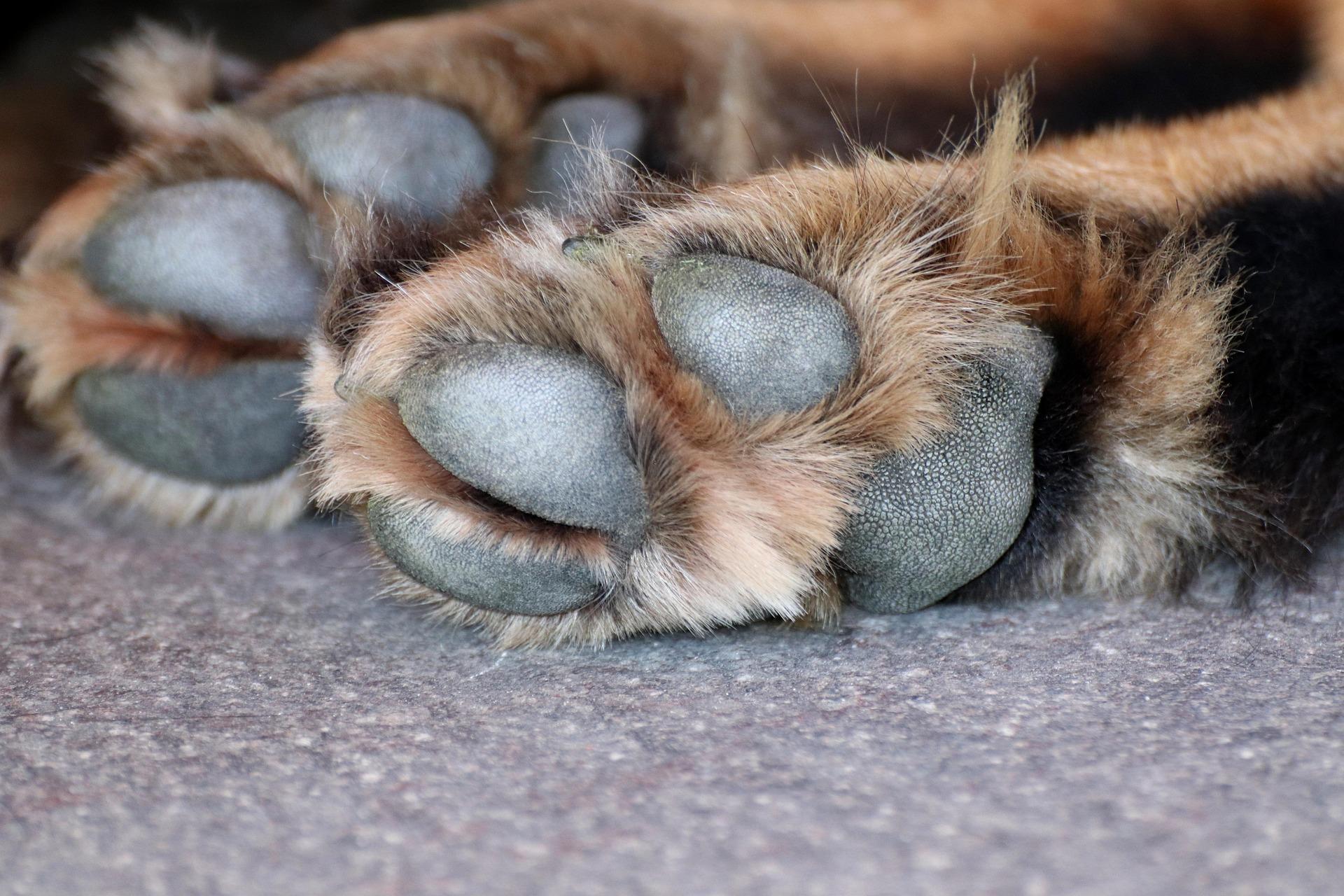
Why Do Dogs Get Dry or Cracked Paw Pads?
Your dog's paw pads are exposed to tremendous amounts of wear and tear. Every walk exposes them to different temperatures, textures, chemicals, moisture levels, and surfaces. Paw pads are made of a thick layer of specialized skin designed to handle daily wear, but they can still become dry and damaged. Beyond wear and weather, nutritional deficiencies can also be among the causes of cracked paw pads and may lead to dry paw pads or even a dog's cracked paws.
Hot Pavement
Hot pavement can cause significant irritation and burns to paw pads. During hot weather, sidewalks and asphalt can become much hotter than the surrounding air. A surface that feels merely warm to you can be uncomfortable or dangerous for your dog's feet. Walking during cooler parts of the day and choosing grass or shaded surfaces can help reduce exposure. If your dog develops sudden paw pain after walking on hot pavement, examine the pads carefully for redness, peeling, blisters, or raw areas, and if the pads are already irritated or burned, avoid walking and limit walks until they heal to prevent further damage.
Cold Weather
Cold temperatures can also cause paw problems. Dry winter air may contribute to cracking, while ice and snow can irritate the pads. In areas where road salt or deicing chemicals are used, these substances can further irritate paws and may be harmful if a dog licks them off. Even if you live somewhere that doesn't regularly experience snow, cold and dry air can still affect your dog's skin.
Rough Surfaces
Dogs that regularly walk on concrete, gravel, rocky trails, or other rough ground may develop thicker or harder paw pads, and trails or gravel with sharp objects can injure the pads as well as dry them out.
Some thickening is a normal adaptation. However, excessive dryness, cracks, bleeding, or pain are not something to ignore.
Allergies
Allergies are a common cause of irritated paws. A dog with allergies may show excessive licking or chew their feet because they are itchy or uncomfortable. Constant licking can damage the skin barrier, making the paws red, inflamed, and vulnerable to bacterial or yeast infections. If your dog is constantly licking their paws rather than simply having mildly dry pads, allergies or another medical condition should be considered.
Contact Irritation
Some dogs develop irritation after contact with certain substances.
Potential irritants include:
-
Lawn chemicals
-
Cleaning products, unless they’re pet safe
-
Road salt
-
Deicing chemicals, so choose pet-safe options when possible
-
Certain plants
-
Hot surfaces
-
Rough terrain
Rinsing promptly can help soothe cracked dog paws after contact irritation or mild chemical exposure. Rinsing your dog's paws with clean water after walks can help remove irritating substances. Be sure to dry the paws thoroughly afterward (Walder and Conroy, 1984).
Infections and Other Medical Conditions
Not every cracked or irritated paw is simply "dry skin."
Inflammation of the paws, known as pododermatitis, can have many causes, including allergies, bacterial or yeast infections, parasites, foreign objects, autoimmune disorders, hormonal conditions, and other health conditions, so some paw pad problems reflect deeper issues rather than surface irritation alone. In some cases, liver disease or a weakened immune system can also affect healing and the overall condition of your dog's health(Duclos et al., 2013).
Nutritional deficiencies can play a role too. A lack of essential fatty acids can lead to poor skin and paw health, and zinc deficiency may slow repair. If you notice similar irritation on other parts of your dog's body, that can suggest a more generalized problem. If your dog is licking, chewing, or limping because of their paws, a veterinary examination is appropriate (Gross et al., 2008).
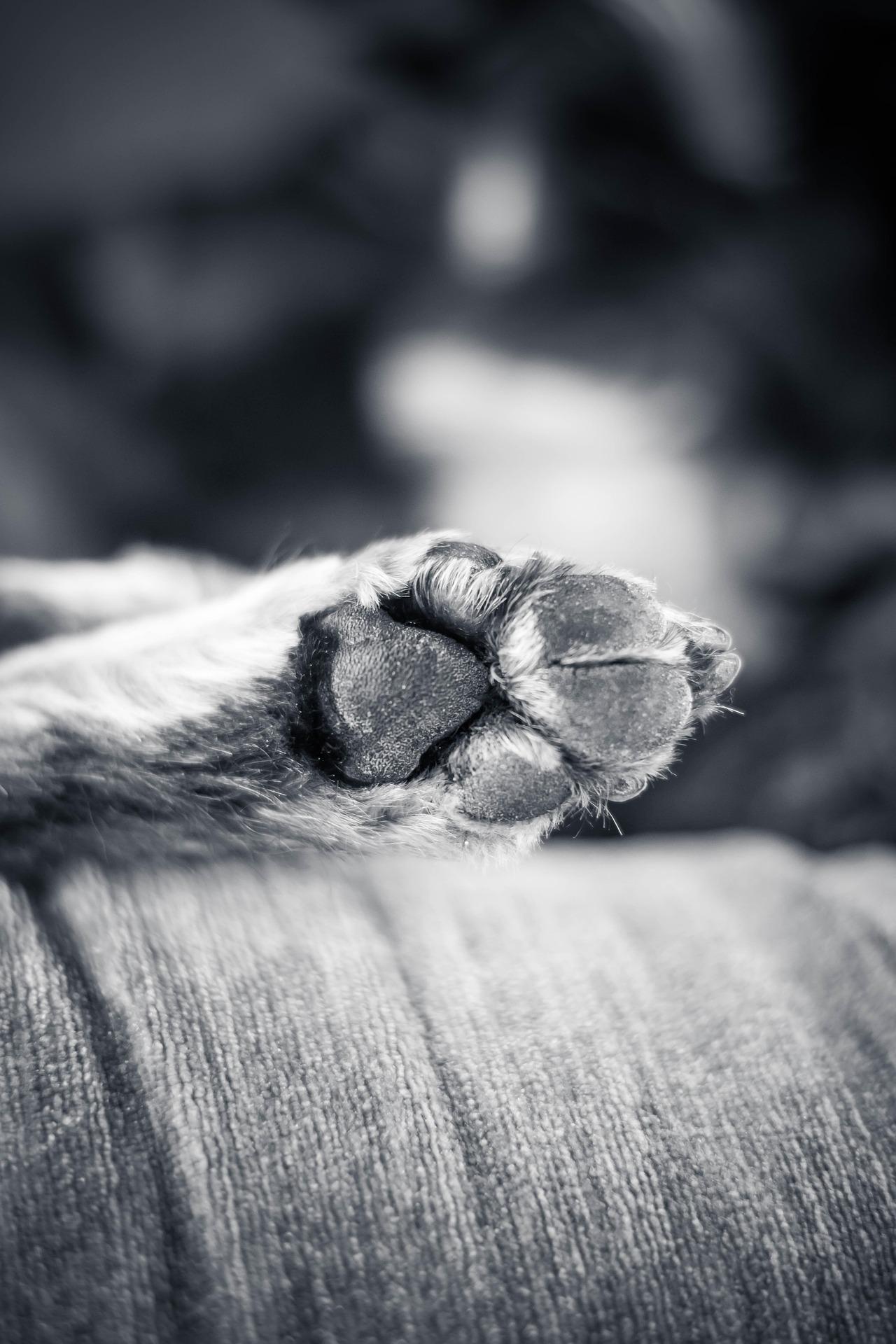
Signs Your Dog's Paws Need More Than Moisturizer
Mild dryness can often be managed at home, but more severe cases of cracked dog paws treatment may require more than moisturizer to address an underlying problem, since painful or persistent dryness may be more than simple dry skin and proper care includes veterinary evaluation for the underlying cause (Duclos et al., 2013).
Contact your veterinarian if you notice deep cracks, bleeding, swelling, significant redness, pus or discharge, bad odor, persistent licking or chewing, hair loss around the paws, thick crusting, open sores. limping, pain when the paws are touched or a sudden change affecting only one paw.
During regular paw checks, pet owners should look for cracks, redness, or swelling. A single affected paw deserves particular attention because a dog's cracked paw pads may be cut or punctured by foreign objects such as splinters, grass awns, or other debris that become lodged in or between the pads.
Safe Remedies for Dry Dog Paws
If your dog has mildly dry but otherwise healthy paw pads, there are several ways to protect them.
Use a Dog Safe Paw Balm
A dog safe paw balm or other dog specific products can help moisturize mildly dry pads and create a protective barrier against environmental exposure. Choose a product specifically formulated for dogs and follow its directions. For more serious cracking, a veterinarian may recommend additional topical medication.
Because dogs frequently lick their paws, products used on the feet should be appropriate for pets and safe when used as directed. Avoid human products like petroleum jelly or anything containing zinc oxide unless your veterinarian specifically advises it.
Consider Protective Paw Wax
Protective waxes can create a barrier between your dog's paws and harsh surfaces.
They can be particularly useful before walks in cold, snowy, salty, or otherwise irritating conditions.
Dog Boots
Dog booties can provide an additional layer of protection in extreme conditions, helping protect paws and prevent injuries from ice, salt, very rough ground, extreme temperatures, snow, and de-icing chemicals. Not every dog likes wearing boots at first, so introduce them gradually and make sure they fit properly.
Clean Paws After Walks
After outdoor adventures, gently clean your dog's paws with water or a damp cloth if they have been exposed to dirt, salt, chemicals, or other irritants; if needed, use a mild soap and rinse thoroughly.
Pay special attention to the areas between the toes and around the pads. If you're using a balm afterward, apply only a thin layer. After cleaning, dry the paws thoroughly.
Avoid Over-Bathing
Frequent bathing or harsh shampoos can contribute to dry skin.
Use shampoos formulated specifically for dogs and follow your veterinarian's recommendations if your dog has a diagnosed skin condition.
Remedies for a Dry Dog Nose
A mildly dry nose can sometimes benefit from simple environmental changes and a dog safe moisturizing balm. Start by addressing obvious causes. If your dog sleeps directly beside a heater, move their bed farther away. Make sure fresh water is always available, and provide shade during outdoor activities.
For chronic mild dryness, a nose balm can help keep the skin moisturized. Because your dog will almost certainly lick their nose, avoid using random human skincare products. Ingredients that are perfectly appropriate for human skin aren't necessarily appropriate for dogs, especially when repeated ingestion is possible.
If your dog's nose is severely cracked, bleeding, crusted, losing pigment, or developing sores, don't rely on moisturizer alone. Have your veterinarian determine the underlying cause.
Can You Use Coconut Oil on a Dog's Nose or Paws?
Coconut oil is sometimes used as a moisturizer for dogs, and small amounts are generally considered relatively low risk for many dogs. However, it isn't a universal treatment for dry skin. Dogs can lick topical products such as coconut oil or Vaseline off their paws and noses, and that can cause stomach upset in some dogs.
How to Prevent Dry Paws and Noses
Prevention is often easier than treating severely cracked skin.
Keep Your Dog Hydrated
Always provide clean, fresh water, especially during hot weather and after exercise, since hydration and a high quality dog's diet support the skin barrier, skin health, and overall paw health.
Protect Feet From Extreme Temperatures
Avoid long walks on extremely hot pavement and consider protective footwear or paw wax when conditions are harsh.
Clean After Walks
Rinse or wipe paws after exposure to salt, chemicals, dirt, or other irritants.
Moisturize Regularly
If your dog is prone to dry pads or nose, regular application of a dog safe balm may help maintain the skin barrier, and some paw balms include ingredients such as shea butter or vitamin E to help support dry pads.
Inspect the Paws
Take a few seconds to look between your dog's toes and examine the pads regularly.
Early cracks or irritation are much easier to manage than an infected paw.
Don't Ignore Persistent Licking
A dog that constantly licks their feet may not simply have dry paws.
Persistent licking can be a sign of allergies, infection, pain, parasites, or another medical condition.
When a Dry Nose or Paws Could Signal Something More Serious
Most cases of mild dryness in most dogs are not emergencies. But persistent or worsening changes still deserve attention. A veterinarian should evaluate a dog with a dry nose if it becomes severely cracked, crusted, ulcerated, painful, or associated with other symptoms.
Likewise, persistent paw problems should be investigated if there is swelling, bleeding, discharge, infection, significant pain, or difficulty walking. Cracked paw pads can take two to three weeks to heal, especially if the area keeps getting irritated. A veterinarian may use bandaging and, in some cases, a topical antibiotic when there is a wound or burn risk; an Elizabethan collar can help if licking is interfering with healing. Some treatments also aim to improve blood flow to damaged tissue when healing is slow.
Pay particular attention if your dog's dry nose or paws are accompanied by loss of appetite, lethargy, vomiting, diarrhea, excessive thirst, changes in urination, fever, weight loss and widespread skin problems (Gross et al., 2008).
A dry nose alone is rarely enough to tell you whether your dog is sick. Looking at your dog's overall health and behavior provides much more useful information.
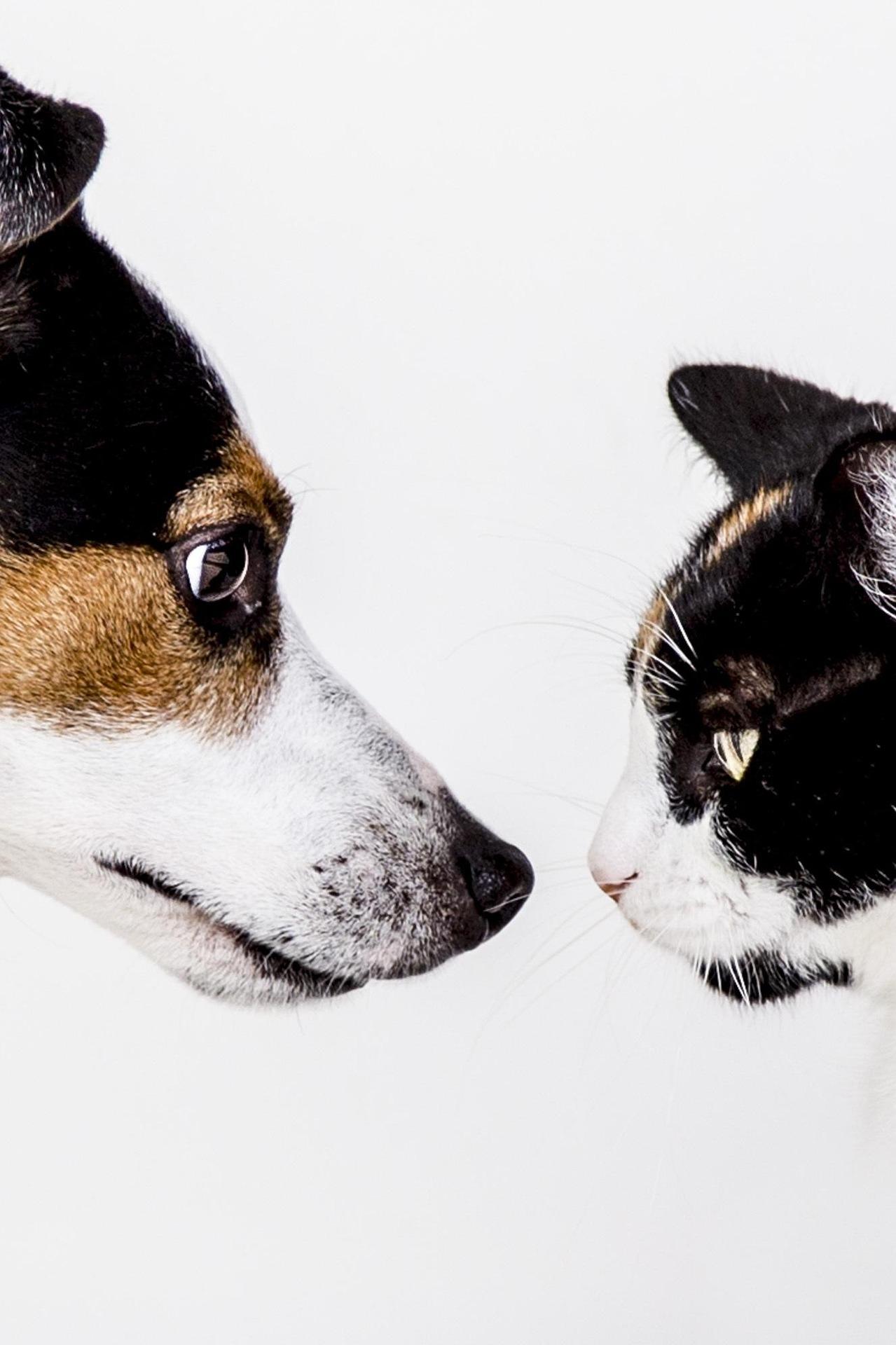
What about Cats?
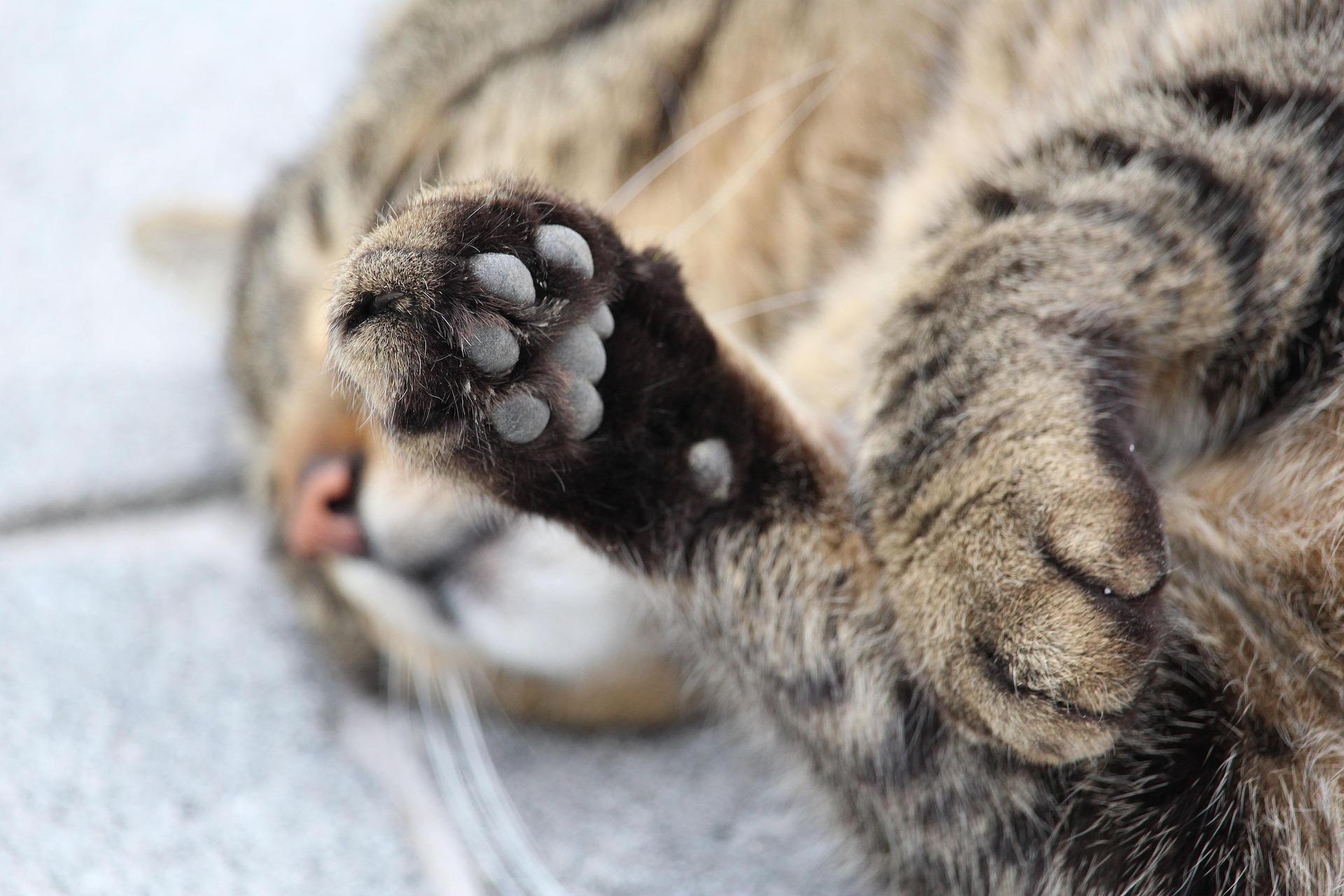
Dogs and cats can both develop dry noses and paw pads, but the causes and best ways to manage them can differ. Dogs are often exposed to more environmental wear and tear because they regularly walk on pavement, gravel, hot surfaces, snow, and other rough terrain. Paw balms and protective waxes can help protect mildly dry pads, while boots may be useful in extreme conditions. Dogs can also develop dry noses because of weather, indoor heating, sleeping, dehydration, allergies, or conditions such as hyperkeratosis. Persistent paw licking, cracking, bleeding, or skin irritation, however, may indicate an underlying problem such as allergies or infection.
Cats generally have less exposure to harsh outdoor surfaces, particularly indoor cats, but their noses and paws can still become dry from dry air, sun exposure, dehydration, or irritation. One important difference is that cats groom themselves extensively, meaning they are much more likely to lick anything applied to their paws or nose. For this reason, cat owners should be especially careful with moisturizers, medications, essential oils, and household remedies. Products should be specifically appropriate for cats and used according to veterinary guidance. Cats with white or lightly pigmented noses also require protection from excessive sun exposure because their skin can be more vulnerable to sun damage (Heinrich et al., 2018).
For both dogs and cats, a slightly dry nose isn't necessarily a sign of illness. What matters more is whether the change is persistent or accompanied by symptoms such as cracking, crusting, sores, bleeding, swelling, discharge, pain, limping, or excessive licking. Mild dryness may improve with hydration, environmental changes, and veterinarian-approved moisturizing products, but persistent or worsening problems should be evaluated by a veterinarian to rule out allergies, infections, hyperkeratosis, autoimmune disease, or other underlying conditions (Gross et al., 2008).
Always Remember
Dry paws and noses are common in both dogs and cats and, in many cases, are caused by everyday factors such as weather, low humidity, sleeping, dehydration, exercise, rough surfaces, or exposure to heat. Dogs tend to experience more paw-pad wear from regular outdoor activities, while cats may be more affected by indoor dryness, sun exposure, or irritation from household substances.
Mild dryness can often be managed by providing plenty of fresh water, protecting paws from harsh environmental conditions, keeping paws clean, and using veterinarian-approved moisturizing products. However, pet owners should be particularly cautious with cats because they frequently groom their paws and may ingest anything applied to their skin. Products that are safe for dogs are not necessarily safe for cats, and essential oils and other household remedies should be avoided unless specifically recommended by a veterinarian.
Persistent cracking, crusting, redness, swelling, sores, bleeding, excessive licking, limping, or other changes should not automatically be dismissed as simple dry skin. Allergies, infections, hyperkeratosis, foreign bodies, sun damage, and other medical conditions can affect the nose and paws of both dogs and cats. If the problem doesn't improve, keeps returning, or appears painful, your veterinarian can help determine the underlying cause and recommend appropriate treatment (Heinrich et al., 2018).
Healthy paw pads and a comfortable nose may seem like small details, but they are important parts of your pet's everyday comfort and quality of life. By regularly checking your dog's or cat's paws and nose, you can often spot changes early and address minor problems before they become more serious.
References
Duclos, D., Hargis, A. M., Hanley, P. W., Breathnach, R. M., Baker, K. P., & Quinn, P. J. (2013). Canine pododermatitis. Vet Clin North Am Small Anim Pract, 43(1), 57-87.
Gross, T. L., Ihrke, P. J., Walder, E. J., & Affolter, V. K. (2008). Skin diseases of the dog and cat: clinical and histopathologic diagnosis. John Wiley & Sons.
Heinrich, N. A., Eisenschenk, M., Harvey, R. G., & Nuttall, T. (2018). Skin diseases of the dog and cat. CRC Press.
Olivry, T. (2006). A review of autoimmune skin diseases in domestic animals: I–superficial pemphigus. Veterinary dermatology, 17(5), 291-305.
Olivry, T., Linder, K. E., & Banovic, F. (2018). Cutaneous lupus erythematosus in dogs: a comprehensive review. BMC veterinary Research, 14(1), 132.
Walder, E. J., & Conroy, J. D. (1994). Contact dermatitis in dogs and cats: pathogenesis, histopathology, experimental induction and case reports. Veterinary Dermatology, 5(4), 149-162.
Related Posts
What Soccer Did for Dogs in Iceland
Without the tenacity of a soccer player, dogs could very well have disappeared from Iceland. This small country— a kind-hearted nation and so deserving in the recent Euro football tournament—no longer wanted dogs. Dogs were banned from t...
Cloudy Eye Conundrum-Part 3: Cataracts
The bodies of aging pets naturally go through changes. Their energy levels may decrease, their joints may become stiff, and their senses may not be as sharp as they once were. One of the most common age related concerns pet owners notice...
Cloudy Eye Conundrum- Part 2: Lenticular Sclerosis
As pets get older, their bodies naturally go through changes. Just like humans may experience changes in vision as they age, dogs and cats can develop age related eye conditions. One of the most common eye changes seen in senior pets is ...


Leave a comment