


The bodies of aging pets naturally go through changes. Their energy levels may decrease, their joints may become stiff, and their senses may not be as sharp as they once were. One of the most common age related concerns pet owners notice is a change in vision. For many senior dogs and cats, cataracts can become a significant part of the aging process.
Cataracts in elderly pets can be worrying to see. A once bright, clear eye may develop a cloudy or bluish appearance, and pets that used to confidently navigate the home may begin bumping into furniture or hesitating in unfamiliar spaces. The good news is that cataracts are often manageable, and many pets continue to enjoy a happy, comfortable life with proper care (Williams et al., 2004).
Understanding what cataracts are, what causes them, how to recognize the signs, and what treatment options are available can help pet owners make informed decisions for their aging companions.
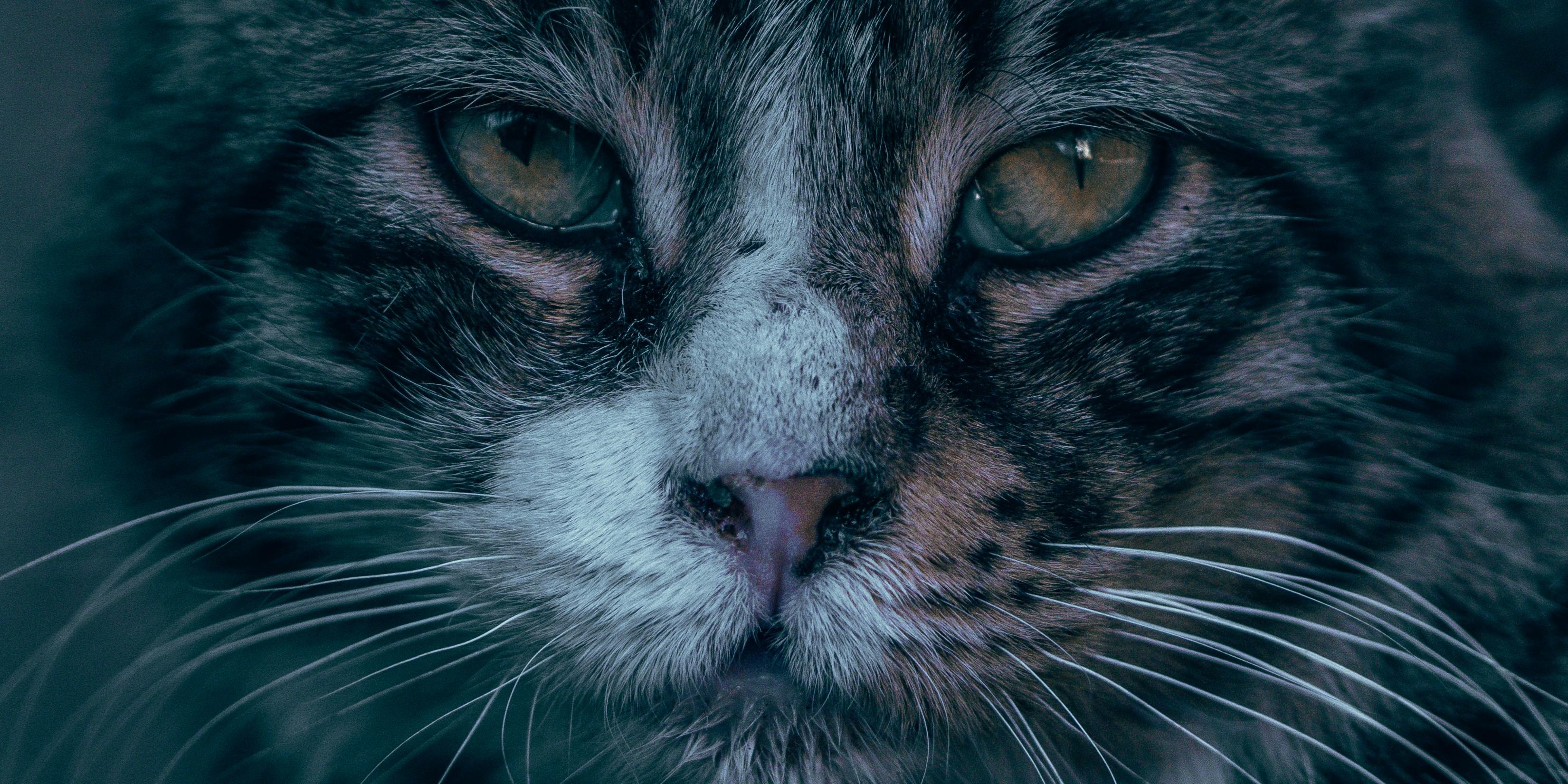
What Are Cataracts in Pets?
A cataract is a clouding of the lens inside the eye. The lens is a clear structure that helps focus light onto the retina, allowing an animal to see clearly. When the lens becomes cloudy, light cannot pass through properly, which can result in blurry vision or partial to complete blindness (Gould, 2002).
The appearance of cataracts can vary. Some cataracts create a small cloudy area in the lens, while others gradually spread until the entire lens becomes opaque. In advanced cases, the affected eye may appear white, gray, or milky.
Cataracts can occur in both dogs and cats, although they are more commonly recognized in dogs. They may develop slowly over time, especially in elderly pets, or they may progress quickly depending on the underlying cause.
It is important to remember that a cloudy looking eye does not always mean a cataract. Senior pets can develop other age related eye changes, such as nuclear sclerosis, which can create a bluish haze but may not significantly affect vision. A veterinarian can determine the difference through an eye examination.
Why Do Elderly Pets Develop Cataracts?
Aging is one of the most common reasons pets develop cataracts. As animals get older, the tissues in their eyes can undergo natural changes, just like other parts of the body.
However, age is not the only factor involved. Several conditions can contribute to cataract development.
1. Normal Aging
Age related cataracts occur because the lens changes over time. The cells within the lens may become damaged, proteins may break down, and the lens may gradually lose its transparency. Nuclear sclerosisis a normal aging change that typically appears in older dogs after six years as dogs age.
Senior pets are more likely to experience these changes simply because their eyes have been exposed to years of normal wear and tear.
2. Diabetes
Diabetes is a major cause of cataracts, especially in dogs. When blood sugar levels remain elevated, excess glucose can enter the eye lens and trigger changes that cause it to become cloudy.
Diabetic cataracts can develop quickly, sometimes affecting vision within a short period. Pets with diabetes require regular veterinary monitoring to manage both their eye condition and, in dogs, the broader effects on a dog's health.
3. Genetics and Breed Predisposition
Some breeds are more likely to develop cataracts because of inherited factors. Certain dogs may develop cataracts earlier in life, even before reaching old age.
Although genetic cataracts are often associated with younger animals, inherited risk can still influence eye health as pets age.
4. Eye Injuries
Trauma to the eye can sometimes damage the lens and lead to cataract formation. An eye injury or inflammation inside the eye may contribute to lens changes.
5. Other Health Conditions
Inflammation, infections, nutritional problems, and other diseases may also increase the risk of cataracts. For example, cloudy eyes can result from anterior uveitis, which is inflammation inside the eye that causes pain and cloudiness and can raise cataract risk. Corneal ulcers can also cause cloudy eyes and are caused by injuries or infections on the cornea. Corneal dystrophy is an inherited condition that causes corneal cloudiness. An autoimmune disease may be one underlying cause of this kind of ocular inflammation. This is why a veterinary examination is important whenever a pet’s vision or eyes change.
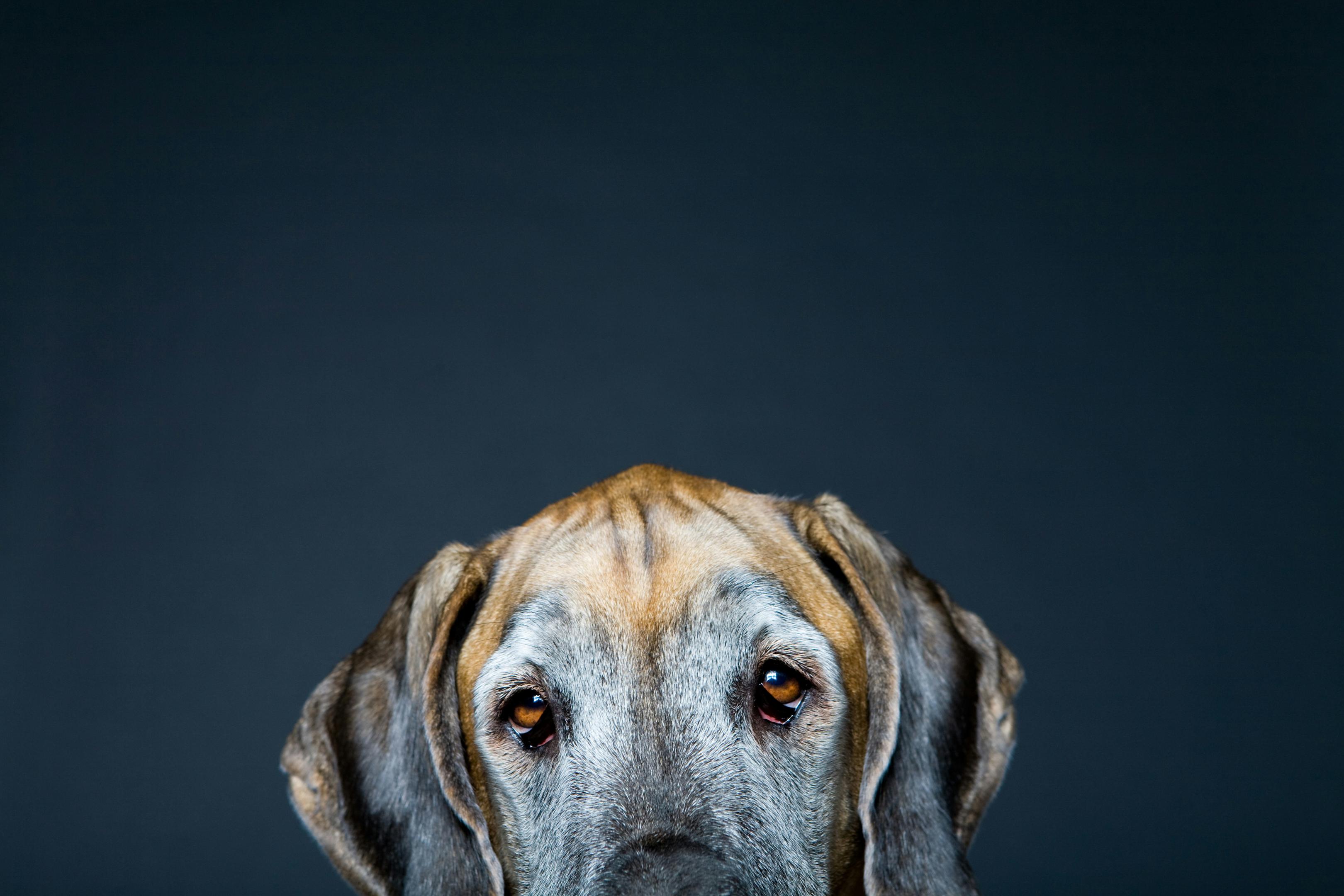
Signs Your Senior Pet May Have Cataracts
Because pets cannot tell us when their vision is changing, owners must watch for behavioral clues. Many animals adapt remarkably well to gradual vision loss, so the signs can be subtle, though some pets also show obvious signs such as eye redness, squinting, or eye discharge that need prompt veterinary attention; these additional symptoms and other symptoms can accompany cloudy eyes (Williams et al., 2004).
Common signs of cataracts include:
Discolored or Cloudy Eyes in pets
One of the most noticeable signs is a cloudy appearance in one or both eyes. You may see:
-
A white or gray spot inside the pupil
-
A cloudy lens
-
A hazy or foggy appearance
-
A change in eye color
Cloudiness may involve the lens or the clear outer layer of the eye, not just the pupil area.
Any visible eye change should be checked by a veterinarian.
Bumping Into Objects
A pet experiencing vision loss may begin walking into walls, furniture, or door frames, which can signal vision problems. This may happen more often in dim lighting or unfamiliar areas.
Difficulty Finding Food, Water, or Toys
A senior pet with reduced vision may seem confused when locating familiar objects. They may rely more heavily on smell and hearing.
Hesitation on Stairs or Uneven Surfaces
Pets with declining eyesight may become cautious when walking down stairs, stepping onto new surfaces, or navigating changes in flooring.
Increased Startle Response
A pet that cannot see approaching people or animals may become startled more easily. They may react suddenly because they did not notice someone entering the room.
Changes in Confidence or Behavior
Some pets become less active or more hesitant when their vision declines. A normally adventurous dog may stop exploring, or a cat may spend more time in familiar areas.
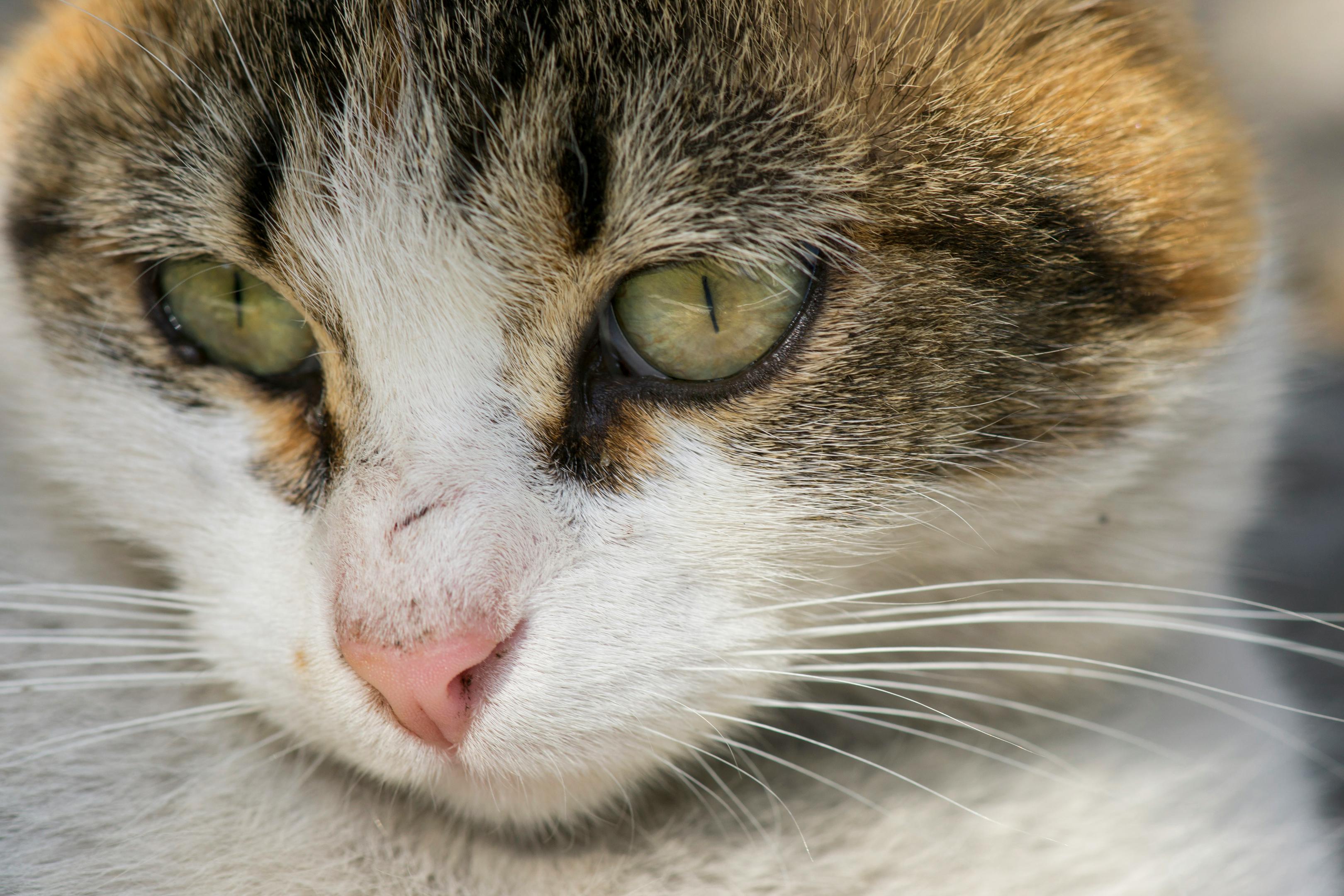
How Are Cataracts Diagnosed? Diagnostic Tests
Cataracts are diagnosed through an eye exam as part of a physical examination. They will look closely at the lens and other structures of the eye to determine the cause and severity of the problem, including whether the cloudiness involves the lens, cornea, or another part of the dog's eye (Raghuvanshi and Maiti, 2013).
The examination may include:
-
Checking the eye with specialized equipment
-
Testing vision responses
-
Evaluating the retina
-
Measuring intraocular pressure
-
Looking for signs of inflammation or other diseases
Measuring eye pressure is especially important when glaucoma is a concern.
Additional testing may be recommended, including diagnostic tests when needed to identify the underlying cause, especially if surgery is being considered or if an underlying health problem is suspected.
For example, a pet with cataracts may need blood tests to check for diabetes or other medical conditions. If the veterinarian suspects dry eye, corneal ulcers, or damage to the eye's surface, tests such as a Schirmer Tear Test or a fluorescein stain test may also be used to help confirm the problem.
Can Cataracts Be Treated? Treatment Options
Veterinarians treat cloudy eyes based on the underlying cause, and for cataracts specifically, care depends on the pet’s age, overall health, the severity of the cataracts, and how much vision loss is occurring (Mancuso and Hendrix, 2016).
Monitoring Mild Cataracts
Not every cataract requires immediate treatment. If the cataracts are small and your pet is still functioning well, your veterinarian may recommend regular checkups to monitor progression (Gould, 2002).
Many senior pets adjust to gradual vision changes surprisingly well, especially in familiar environments.
Cataract Surgery
The standard treatment for cataracts that significantly affect a pet's dog's vision is surgery.
During cataract surgery, the cloudy lens is removed and often replaced with an artificial lens, which can restore vision in many pets. Many pets regain useful vision after successful surgery.
However, surgery is not suitable for every animal. A veterinarian will evaluate factors such as:
-
Overall health
-
Eye condition
-
Severity of cataracts
-
Ability to undergo anesthesia
-
Presence of other eye diseases
A veterinary ophthalmologist may perform the procedure, provide specialized care, and help create the treatment plan for surgery candidates (Woodham-Davies, 2019).
Managing Underlying Conditions
If cataracts are caused or worsened by another health issue, treating that condition is an important part of care.
For example, diabetic pets may need careful blood sugar management. Glaucoma may require medical treatment, including eye drops, oral medications, or surgery, to reduce pressure and preserve vision with proper treatment. Treatment depends on the diagnosis and the severity of the cloudy eye problem. In some pets, a bluish haze comes from corneal edema, which is fluid buildup in the cornea. Prior injury or healing after disease can also leave corneal scarring. Some corneal disorders can develop corneal ulcers as a secondary problem. Pets with eye inflammation may need medications prescribed by a veterinarian to reduce inflammation and reduce pain when needed. Corneal ulcers are commonly treated with topical antibiotics and pain medications. Dry eye may be treated with topical lubricants and immunosuppressants, and early intervention can help prevent worsening vision impairment. In severe cases, specialist or surgical care may be needed (Raghuvanshi and Maiti, 2013).
Helping a Blind or Vision Impaired Pet at Home
Even pets with significant vision loss can live happy and fulfilling lives. Animals rely on their other senses, including smell, hearing, and touch, to adapt.
Pet owners can make the home safer and easier to navigate with a few adjustments.
Keep Furniture in Familiar Places
Avoid rearranging the home frequently. A consistent environment helps pets create a mental map of their surroundings.
Use Verbal Cues
Speaking to your pet before touching them can prevent startling. Simple commands and consistent words can help guide them.
Add Safety Barriers
Use gates near stairs, pools, or other hazards. Preventing accidents is especially important for pets with reduced vision.
Use Texture Changes
Different floor textures can help pets recognize areas of the home. For example, a rug near a doorway or food area can act as a navigation marker.
Maintain Routine
Senior pets benefit from predictable schedules. Regular feeding, walking, and sleeping routines can provide comfort and confidence.
Do Cataracts Hurt Pets or Affect Vision?
Cataracts themselves are usually not painful, but other causes of eye cloudiness can be. Unlike nuclear sclerosis, cataracts can interfere with vision because they block light, while glaucoma causes pain through elevated eye pressure. The main concern is vision loss (Mancuso and Hendrix, 2016).
However, cataracts can sometimes lead to complications. In some cases, they may contribute to inflammation or increased pressure inside the eye; glaucoma, for example, can damage the optic nerve and cause permanent vision loss if not treated promptly.
Owners may also describe redness or irritation as pink eye, but these changes still need veterinary evaluation to identify the actual cause. Signs of possible eye pain include:
-
Squinting
-
Redness
-
Excessive tearing
-
Pawing at the eye
-
light sensitivity
-
excessive blinking
-
Behavioral changes
These signs may point to discomfort that needs immediate intervention.
Preventing Cataracts in Senior Pets
Not all cataracts can be prevented, especially those caused by aging or genetics. However, good overall care can support eye health in your pet's eyes.
Helpful habits include:
-
Scheduling regular veterinary checkups
-
Managing chronic diseases
-
Maintaining a healthy weight
-
Feeding a balanced diet
-
Protecting eyes from injury
-
Dog owners should avoid letting dogs hang their heads out of car windows
-
Monitoring changes in behavior or appearance
Early detection can make a significant difference in maintaining quality of life.
Caring for Your Aging Pet’s Eye Health and Eye Conditions
Cataracts are a common part of aging for many pets, but they do not have to mean the end of an active or enjoyable life. With veterinary care, environmental adjustments, and patience, many senior pets continue to thrive.
The most important thing pet owners can do is pay attention. If you notice cloudiness in your pet's eyes, remember that cloudy eyes in dogs are not always cataracts and may reflect corneal disease, inflammation, or pressure related problems in the eye; in some inherited corneal disorders, the middle layer of the cornea can also be involved. Small changes in behavior, movement, or appearance may point to the underlying cause.
Regular veterinary visits and guidance from your veterinary team become increasingly important as pets enter their senior years. Early identification of cataracts and other eye conditions allows owners to explore treatment options and provide the best possible support.
Your pet may not see the world exactly as they once did, but with love, consistency, and proper care, they can continue to experience comfort, security, and companionship for many years to come.
References
Glaze, M. B. (2005). Congenital and hereditary ocular abnormalities in cats. Clinical techniques in small animal practice, 20(2), 74-82.
Gould, D. (2002). Clinical assessment of cataracts in dogs. In Practice, 24(1), 28-34.
Mancuso, L., & Hendrix, D. (2016). Cataracts in dogs. Clinicians Brief, 8, 79-91.
Raghuvanshi, P. D. S., & Maiti, S. K. (2013). Canine cataracts and its management: An overview. Journal of Animal Research, 3(1), 17.
Williams, D. L., Heath, M. F., & Wallis, C. (2004). Prevalence of canine cataract: preliminary results of a cross‐sectional study. Veterinary ophthalmology, 7(1), 29-35.
Woodham-Davies, S. (2019). Cataract surgery in dogs. Veterinary Nursing Journal, 34(1), 12-17.
Related Posts
Itchy Dogs: Could a Food Allergy be the Culprit?
If your dog is constantly scratching, licking their paws, developing recurring ear infections, or experiencing digestive problems, you may wonder whether their food is to blame. Food allergies can affect dogs of any age, breed, or size, ...
Diabetes in Dogs and Cats
Diabetes mellitus is a common endocrine disease in dogs and cats. While a diabetes diagnosis can initially feel overwhelming, many diabetic pets can continue to enjoy a good quality of life with appropriate veterinary care and consistent...
How to compare mushroom supplements: Buddy Guard vs. Critical Immune Defense
This comparison is published by Petsmont, the maker of Buddy Guard on August 5th, 2026. Competitor information came from publicly available labels and manufacturer materials. TLDR: Summary Table Buddy Guard Critical Immune Defense ...


Leave a comment