


Without the tenacity of a soccer player, dogs could very well have disappeared from Iceland. This small country— a kind-hearted nation and so deserving in the recent Euro football tournament—no longer wanted dogs. Dogs were banned from the country in 1924 following the spread of an epidemic of echinococcus, a parasitic infection transmissible to humans. The health authorities then made the terrible decision to eliminate all dogs on the island. Yet, there weren't very many of them to begin with. Around 1910, an epidemic of distemper brought over by a dog imported from the United Kingdom, had already decimated a weak and inbred population. Due to the country's insular nature, these dogs were unprotected against external viruses and bacteria.
Banning dogs is one thing; enforcing the ban is quite another.
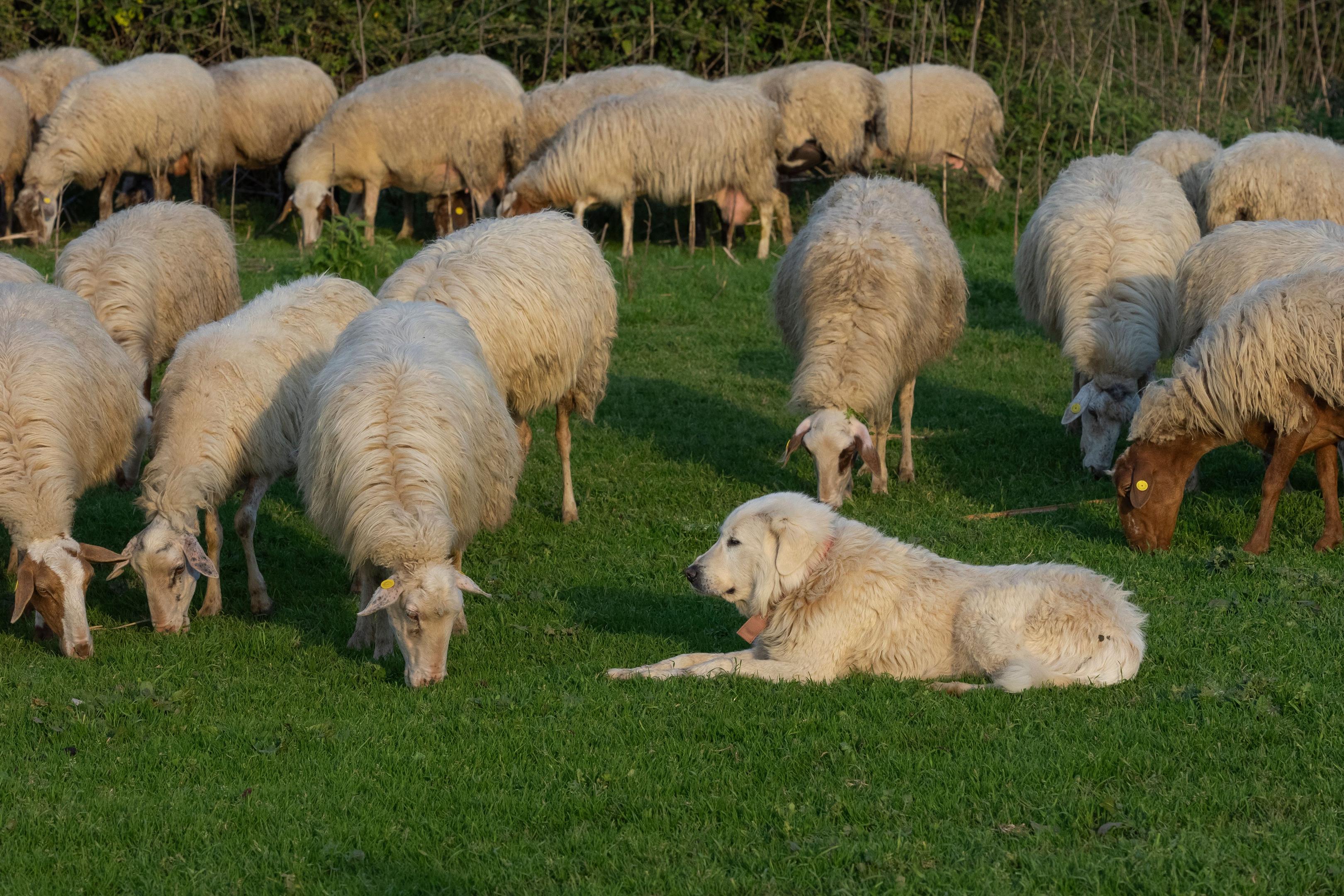
First of all, the ban could not apply to the sheepdogs scattered across the countryside, which is buried under snow and hidden in darkness for half the year. On this island, which flirts with the Arctic Circle, the snow arrives in autumn and only begins to melt as summer approaches. The wind blows constantly. It lashes at the flora, which remains quite sparse on the volcanic soil; and bites at the fauna, which protects itself with their very thick fur it received through evolution and natural selection. In such an inhospitable latitude, dogs are far more comfortable than the pathogens tasked with annihilating them to enforce the rule. Especially since those pathogens, like almost everyone else, loved dogs too.
However, in the capital city of Reykjavik, which is home to two-thirds of the population, the regulation was strictly enforced: dogs were banned and had vanished from the city. This ban would last for 30 years.
And then came Gudmundsson. Or rather, he returned. Crowned with glory and accompanied by a dog.

In 1953, this extraordinary man returned to his island to finish his career. Albert Gudmundsson, a famous soccer player, had played for Glasgow Rangers, Arsenal, AC Milan, Racing Club de Paris, and finally OGC Nice, after first being scouted at Valur Reykjavik. Approaching his thirties, he was returning to play in his home country for one last season with Valur Reykjavik. He was returning with a German Shepherd. The border police or customs intervened, opposing the dog's entry into the territory. Albert Gudmundsson refused to abandon his German Shepherd. Luckily, Gudmundsson knew someone in the government. Thus began the discussions and negotiations, appeals to reason, and reminders of the law. Well, for a football star, the public authorities ultimately granted an exemption, and Albert Gudmundsson made a triumphant return to Iceland with a dog from France.
The case was naturally covered by the media, and, drawing on the exemption granted to the Icelandic football star, a few dog lovers also demanded the right to own a dog- "Why him and not us?"
Thus, cynophilia (the love and breeding of dogs) was born in Iceland. It wasn't easy or quick, but today, while not as thriving as in continental Europe, this dog-loving community exists and is modeled after French cynophilia. It’s true that you see very few dogs, whether in the city or the countryside. The importation of dogs remains subject to a strict, if not deterrent, quarantine. Nevertheless, the annual Reykjavik dog show brings together nearly 300 dogs each year. That's not bad for a country of 300,000 inhabitants living on a highly isolated island with wondrous landscapes; one that is very open to tourists, but still closed to dogs.
In France, there is one dog for every 7 to 8 inhabitants. In Iceland, there is less than one dog per 100 inhabitants. This, undoubtedly, is one of the lowest ratios in the world. You don't see dogs in the streets, nor do you see them in the countryside. Neither strays, nor even on a leash.
Only one breed originates from Iceland: the Icelandic Sheepdog. According to specialists, there are barely more than 250 purebred individuals left there. They can also be found in Norway, the United Kingdom, and the United States. The top breed in the country, like almost everywhere else in the world, is the German Shepherd.
To return to the soccer star, Albert Gudmundsson, he went into politics after hanging up his cleats. He became a Member of Parliament, then a Minister, and finished his career as Iceland's Ambassador to France from 1989 to 1993. Upon his passing in 1994 at the age of 71, he received many tributes from both the football and political worlds.
France knocked Iceland out of the 2016 Euro tournament, but they did it fair and square, and with no hard feelings.
The canine world, in turn, must remember that Albert Gudmundsson defied authority out of love for dogs.
Jean-Yves Reguer
Related Posts
Itchy Dogs: Could a Food Allergy be the Culprit?
If your dog is constantly scratching, licking their paws, developing recurring ear infections, or experiencing digestive problems, you may wonder whether their food is to blame. Food allergies can affect dogs of any age, breed, or size, ...
Diabetes in Dogs and Cats
Diabetes mellitus is a common endocrine disease in dogs and cats. While a diabetes diagnosis can initially feel overwhelming, many diabetic pets can continue to enjoy a good quality of life with appropriate veterinary care and consistent...
How to compare mushroom supplements: Buddy Guard vs. Critical Immune Defense
This comparison is published by Petsmont, the maker of Buddy Guard on August 5th, 2026. Competitor information came from publicly available labels and manufacturer materials. TLDR: Summary Table Buddy Guard Critical Immune Defense ...


Leave a comment