


Screwworm is the larval stage of the New World screwworm fly, a parasite that lays eggs in wounds and whose maggots feed on living tissue, causing painful and sometimes life threatening infestations in pets and livestock. For decades, the United States and Mexico celebrated an incredible veterinary and agricultural success story: the eradication of the New World screwworm (Vargas-Terán, 2021). Thanks to an extensive cooperative effort involving the U.S. Department of Agriculture (USDA), CPA (by its Spanish acronym) in Mexico, and several Central American countries, this devastating parasite was eliminated from the United States by the early 1980s.
Unfortunately, that success is now being challenged.
After spreading northward through Central America and Mexico over the past several years, the New World screwworm has once again been detected in the southern United States. The parasite has been confirmed in livestock and has also been found in a dog, highlighting that this is not just a problem for ranchers; it is also a serious concern for pet owners. Federal and state animal health officials have responded with quarantines, surveillance programs, and renewed sterile fly releases in an effort to stop the parasite before it becomes permanently established again.
If you own a dog or cat, particularly if you live in the southern United States or frequently travel between the U.S. and Mexico, or if you care for livestock, this guide explains how screwworm infestations happen, which animals are at risk, the warning signs to watch for, how veterinarians diagnose and treat cases, why the parasite has reappeared after eradication, and the practical steps you can take to reduce the risk to your animals.
What Is the New World Screwworm?
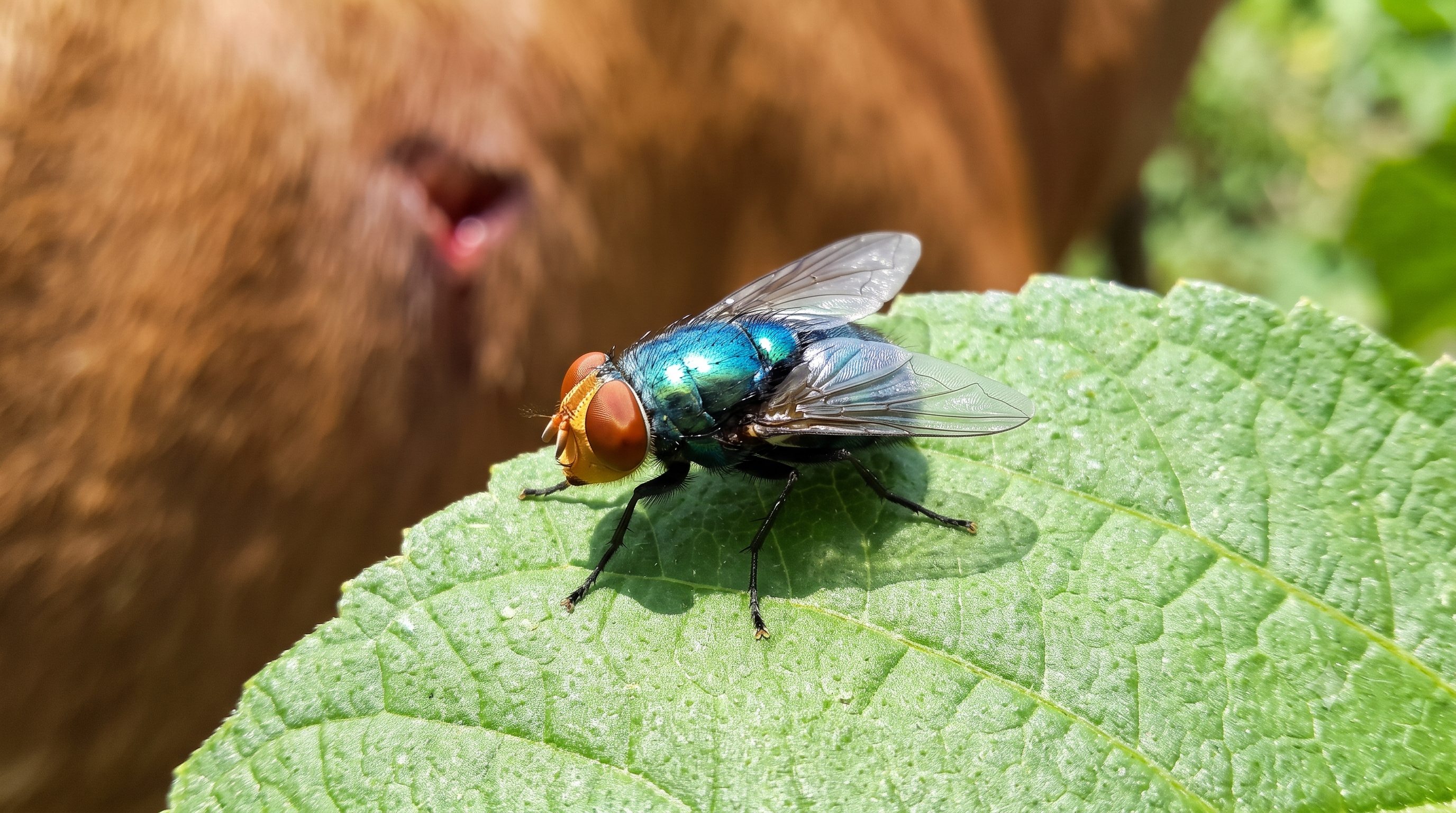
Despite its name, the New World screwworm is not actually a worm. It is the larval stage (maggot) of the New World screwworm fly (Cochliomyia hominivorax).
Unlike ordinary blowflies that lay eggs on dead animals or decaying organic material, female screwworm flies seek out living animals.
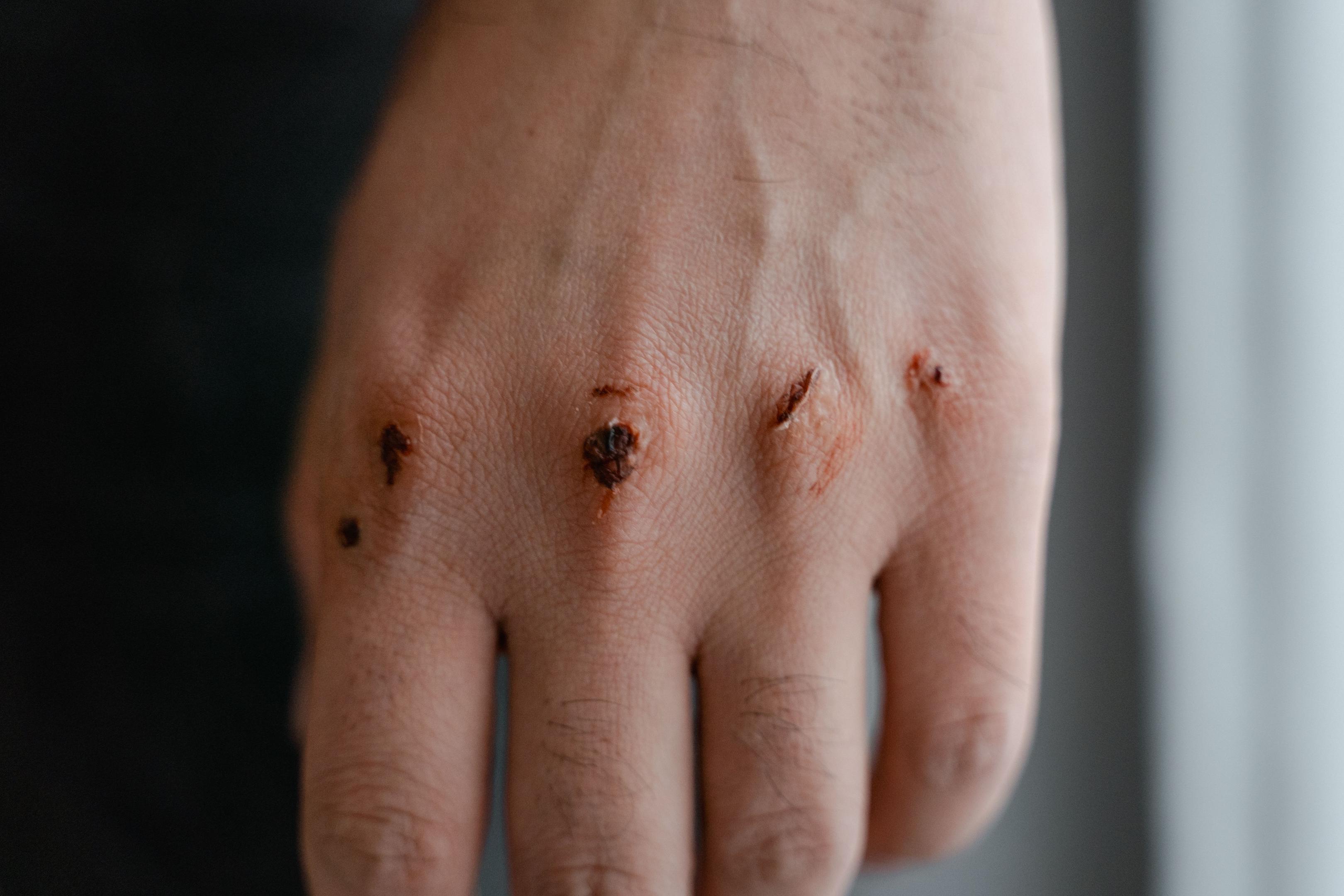
Even a tiny wound is enough. The fly may lay hundreds of eggs on small cuts, surgical incisions, tick bites, hot spots, scratches, ear wounds or ear infections with discharge, umbilical cords of newborn animals, bite wounds and dewclaw injuries (CDC, 2026).
Within about 24 hours, the eggs hatch into larvae that burrow into healthy, living tissue.
This is what makes screwworm so dangerous. Instead of feeding on dead tissue, these larvae literally consume living flesh as they grow, causing progressively larger wounds that attract additional female flies. Without treatment, infestations can become severe in only a few days.
Why Is Screwworm Such a Big Problem?
One female fly can lay up to 300 eggs in a single wound. After hatching, dozens or even hundreds of larvae begin feeding simultaneously (Valdez-Espinoza et al., 2025). As they tunnel deeper into tissue, they create painful, enlarging wounds that may:
-
Bleed
-
Become infected
-
Produce a foul odor as tissue destruction worsens
-
Attract additional flies
-
Lead to severe tissue destruction
If left untreated, nws larvae can cause severe wounds and pain and, in severe cases, kill affected animals in a matter of days.
Which Animals Can Become Infected?
Most people associate screwworm with cattle, but this parasitic fly can infest livestock, pets, wildlife, and occasionally birds.
These include:
-
Dogs
-
Cats
-
Horses
-
Cattle
-
Sheep
-
Goats
-
Deer
-
Wildlife
-
Zoo animals
Although humans are uncommon hosts, rare cases can occur if flies lay eggs in untreated wounds or other vulnerable areas, especially in endemic regions.
Why Companion Animals Are Especially Vulnerable
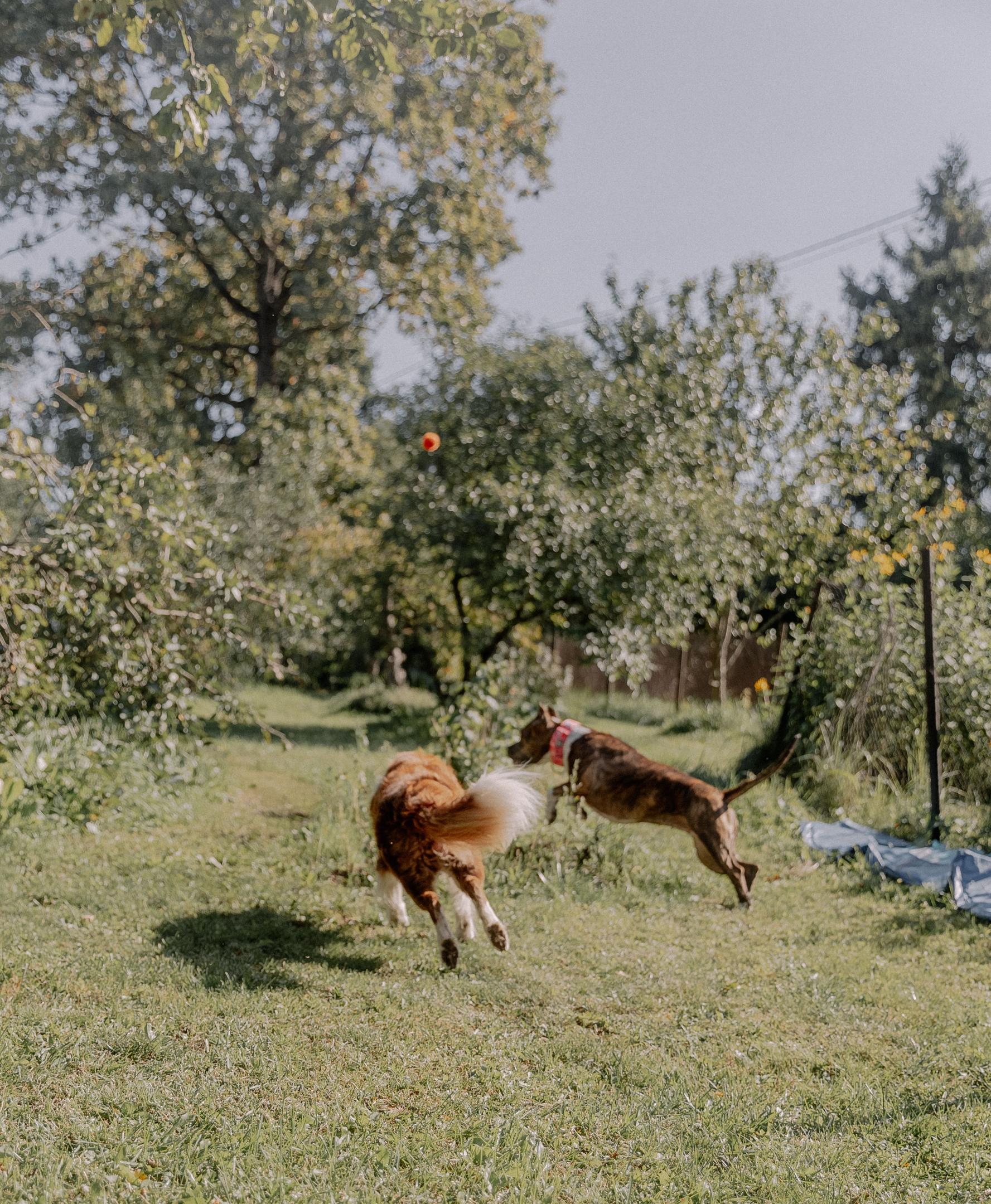
Dogs are naturally adventurous.
They love running through brush, chasing wildlife, digging, hiking, and exploring areas where insects are abundant. Unfortunately, these activities often result in small cuts, torn nails, tick bites, skin allergies, hot spots and surgical wounds after spaying or neutering.
To a female screwworm fly, these injuries are ideal locations where she lays eggs. Preventing skin breaks and prompt wound care are key because they reduce sites that attract NWS flies.
Outdoor dogs, hunting dogs, ranch dogs, and stray animals face the greatest risk, and proactive agricultural management also helps minimize injuries that attract parasitic flies.
Cats that roam outdoors may also become infected, especially if they suffer bite wounds or abscesses. Awareness of wound care is especially important for travelers in endemic areas, and pets traveling with owners in those regions face greater risk if they have open wounds.
Signs of Screwworm in Dogs and Cats
One of the biggest dangers is that the infestation often starts with what appears to be a minor wound.
Within days, owners may notice:
-
A wound that continues getting larger
-
Bloody discharge
-
A strong, distinct odor from the wound
-
Constant licking or chewing
-
Restlessness
-
Depression
-
Loss of appetite
-
Swelling around the wound
-
Visible movement inside the wound
-
head shaking
affected animals may also seem distressed and isolate themselves from the herd, and human infestations can cause pain and itching.
In advanced cases, owners may actually see white larvae moving within the tissue.
At this stage, veterinary care is an emergency.
How Veterinarians Diagnose Screwworm
Diagnosis usually begins with a thorough physical examination.
Veterinarians carefully inspect the affected tissue and collect screwworm larvae or other fly larvae for official identification.
Because several fly species can cause maggot infestations, accurate identification is critical.
Treatment should never be delayed while waiting for laboratory confirmation if screwworm is suspected, but suspected cases should still be reported promptly to state or federal veterinarians (APHIS USDA, 2026).
Treatment
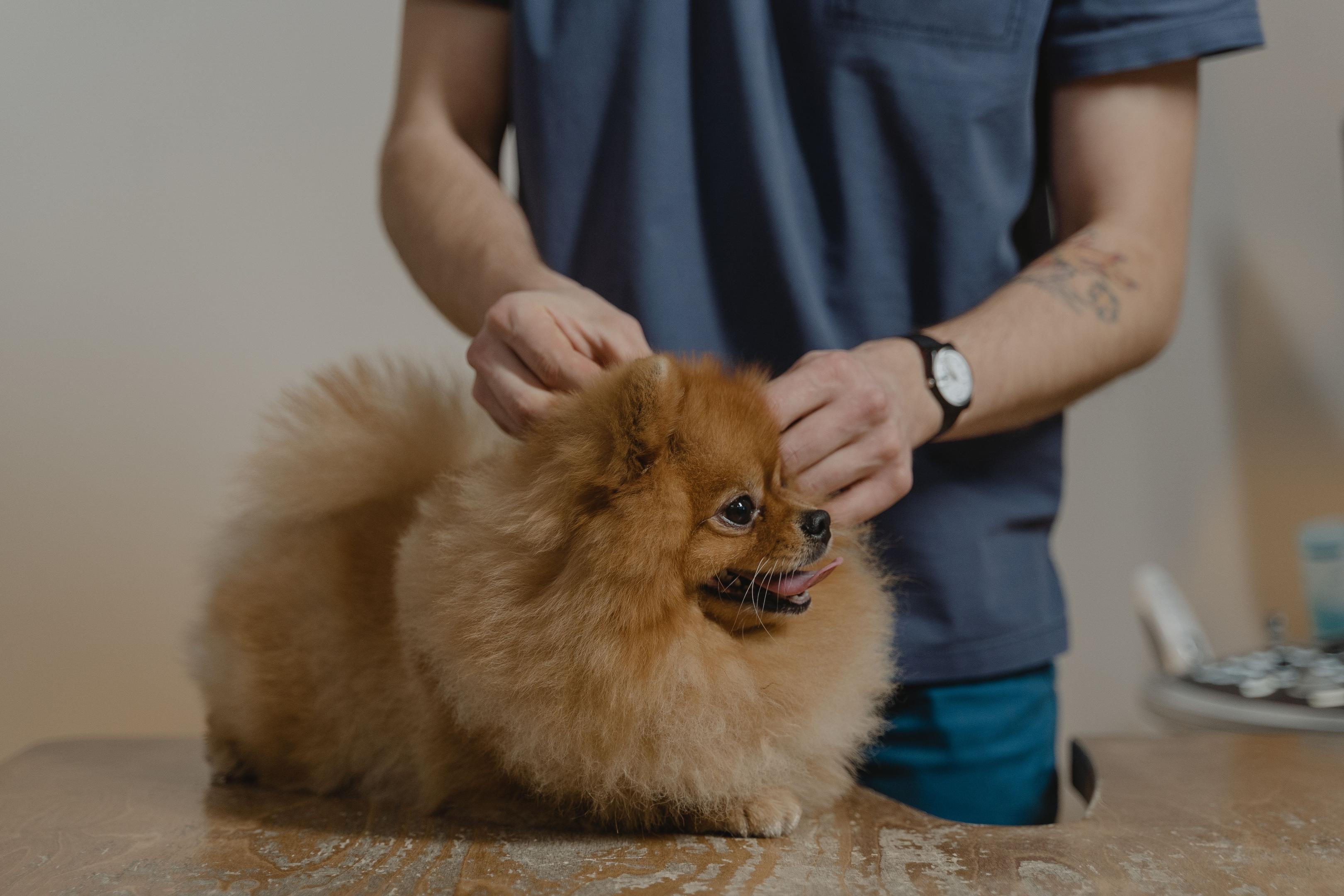
Treating new world screwworm infestations in veterinary medicine requires immediate chemical and physical intervention, not just removing visible maggots.
Veterinary treatment often includes:
-
Mechanical removal of every larva, which is essential
-
Thorough wound cleaning
-
Debridement of damaged tissue
-
Antibiotics when secondary bacterial infections are present
-
Pain medication
-
Anti-inflammatory medications
-
Topical insecticides may assist treatment
-
Bandaging and follow up care
FDA authorized multiple drugs for nws myiasis, including Nitenpyram tablets for dogs and cats; for livestock, Dectomax is an FDA-approved injectable for cattle, and additional options may be conditionally approved through work with animal drug sponsors (FDA, 2026).
Missing even a few larvae may allow new world screwworm infestations to continue because they remain buried deep within living tissue.
Pets with severe infestations may require sedation or anesthesia to allow complete removal.
Why Early Treatment Matters
NWS larvae feed on living tissue for about seven days, and mature larvae can reach about 17 millimeters before larvae drop to the ground to pupate.
Every additional day allows more tissue destruction.
Early veterinary intervention can:
-
Reduce pain
-
Prevent secondary infections
-
Preserve healthy tissue
-
Improve healing
-
Save your pet's life
Owners should never attempt to treat suspected screwworm infestations at home without veterinary guidance.
How Did Screwworm Return Despite the Sterile Insect Technique?
For many years, the New World screwworm (NWS) was considered one of the most successful eradication efforts in animal health and disease control in North America.
The parasite was eliminated through an innovative program called the Sterile Insect Technique. Scientists raised millions of male screwworm flies, sterilized them using radiation, and released them into the environment. Female screwworm flies mate only once during their lives. When they mated with sterile males, they produced no offspring. This Sterile Insect Technique was key to control efforts and was effective in controlling NWS. Repeated releases gradually collapsed the fly population until the parasite disappeared from the United States, where it was eradicated by 1966.
The Sterile Insect Technique was also central to eradication efforts that pushed the pest out of Mexico and most of Central America by 2006.
However, screwworm remained established in parts of South America and the Caribbean.
In 2023, it reemerged in Central America after eradication, increasing the risk that infected animals or wild hosts could carry the parasite back across the border. On June 3, 2026, NWS larvae were detected in Texas, prompting the USDA’s Plant Health Inspection Service to support surveillance programs aimed at preventing re-establishment.
Why the Return Is So Concerning
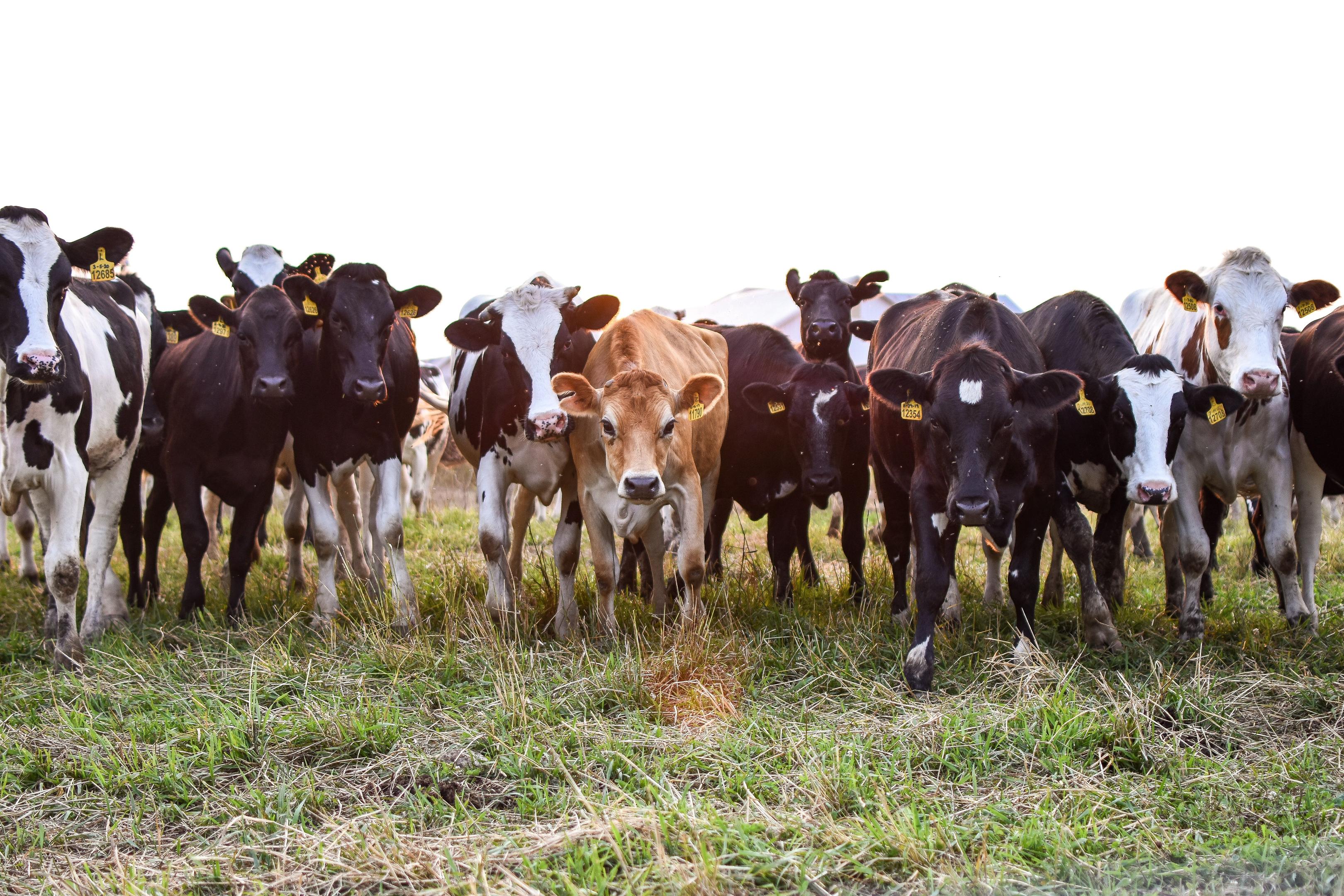
Unlike many parasites that affect only individual pets, screwworm threatens:
-
Family pets
-
Livestock and ranches
-
Wildlife and wildlife rehab centers
-
Zoos
-
Veterinary hospitals
-
Animal shelters
Because flies can travel significant distances and wildlife can carry infestations unnoticed, controlling an outbreak becomes extremely challenging once the parasite becomes established, so trapping and monitoring adult flies help prevent spread and guide response.
That is why animal health officials respond aggressively to every confirmed case.
Even a single infestation triggers investigations, quarantines, and increased surveillance in surrounding areas, with quarantine measures used to contain spread. Surveillance programs are essential for preventing NWS re-establishment, and public health officials work with animal health agencies as part of a broader public health response. Outbreaks threaten food production and can cause millions in losses, but recent U.S. cases are a production issue rather than a food supply safety problem (USDA, 2026).
Recent Cases in Dogs
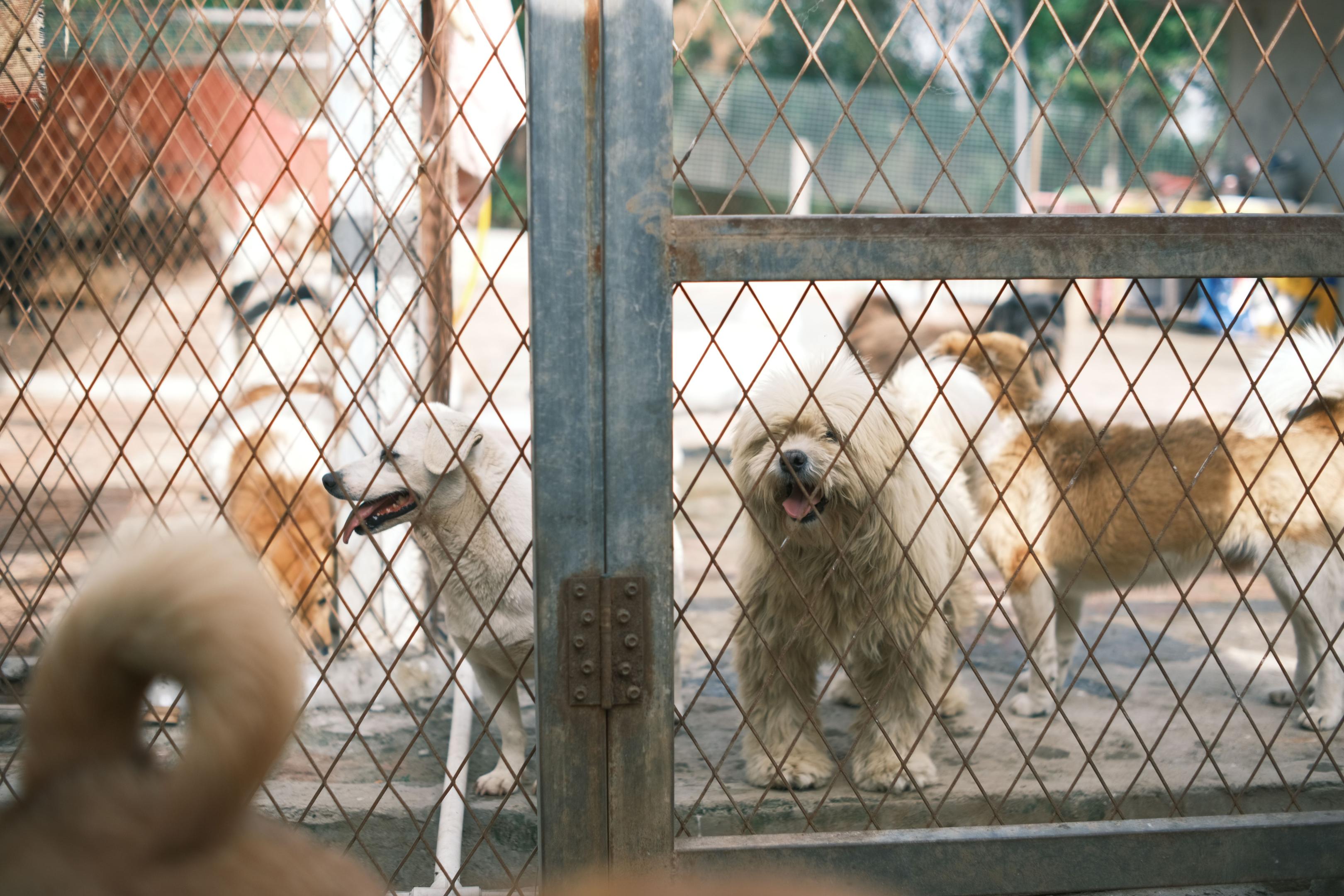
Although most early U.S. detections involved cattle, federal officials have now confirmed screwworm infestations in dogs as well.
These cases serve as an important reminder that companion animals are not immune.
Dogs with untreated wounds, recent surgeries, or skin conditions may provide an opportunity for female flies to lay eggs if they are exposed in affected regions.
Prevention Is the Best Defense
Fortunately, there are practical steps pet owners can take to reduce risk.
These include:
-
Inspect your pet daily for cuts, scratches, or bites.
-
Keep wounds clean and protected.
-
Seek veterinary care promptly for any injury that does not heal normally.
-
Keep up with veterinarian recommended parasite prevention products.
-
Avoid allowing pets with open wounds to roam outdoors in areas where screwworm has been detected.
-
Monitor healing closely after any surgical procedure.
While no single preventive measure provides complete protection, early wound care and regular veterinary examinations significantly reduce the risk of serious infestations (APHIS USDA, 2026).
References
APHIS USDA website June, 2026 https://www.aphis.usda.gov/livestock-poultry-disease/cattle/ticks/screwworm
CDC website, July, 2026 https://www.cdc.gov/new-world-screwworm/about/
FDA website, June 2024 https://www.fda.gov/animal-veterinary/safety-health/new-world-screwworm-information-veterinarians
USDA website, February 2026 https://www.usda.gov/about-usda/news/press-releases/2026/02/09/usda-announces-completion-sterile-fly-dispersal-facility-texas
Valdez-Espinoza, U. M., Fadda, L. A., Marques, R., Osorio-Olvera, L., Jiménez-García, D., & Lira-Noriega, A. (2025). The reemergence of the New World screwworm and its potential distribution in North America. Scientific Reports, 15(1), 23819.
Vargas-Terán, M., Spradbery, J. P., Hofmann, H. C., & Tweddle, N. E. (2021). Impact of screwworm eradication programmes using the sterile insect technique. In Sterile insect technique (pp. 949-978). CRC Press.
Related Posts

Diabetes in Dogs and Cats
Diabetes mellitus is a common endocrine disease in dogs and cats. While a diabetes diagnosis can initially feel overwhelming, many diabetic pets can continue to enjoy a good quality of life with appropriate veterinary care and consistent...

How to compare mushroom supplements: Buddy Guard vs. Critical Immune Defense
This comparison is published by Petsmont, the maker of Buddy Guard on August 5th, 2026. Competitor information came from publicly available labels and manufacturer materials. TLDR: Summary Table Buddy Guard Critical Immune Defense ...

The Hyperthyroid Cat: A Complete Guide for Pet Owners
As cats grow older, they become more susceptible to certain age-related health conditions. Hyperthyroidism in cats is usually one of the most common endocrine disorders in senior cats. This is an overproduction of thyroid hormones that s...


Leave a comment