


As dogs and cats age, they become more susceptible to a variety of health conditions that can affect their comfort and quality of life. While arthritis, hearing loss, and mobility issues often receive the most attention, eye health deserves equal consideration. One common but frequently overlooked condition in older pets is dry eye.
Dry eye, known medically as keratoconjunctivitis sicca (KCS), occurs when the eyes do not produce enough tears to keep the surface of the eye properly lubricated. Although it may sound like a minor inconvenience, dry eye can become a serious and painful condition if left untreated. In senior pets, it can lead to chronic discomfort, recurrent eye infections, corneal damage, and even vision loss (Fentiman and McCool, 2026).
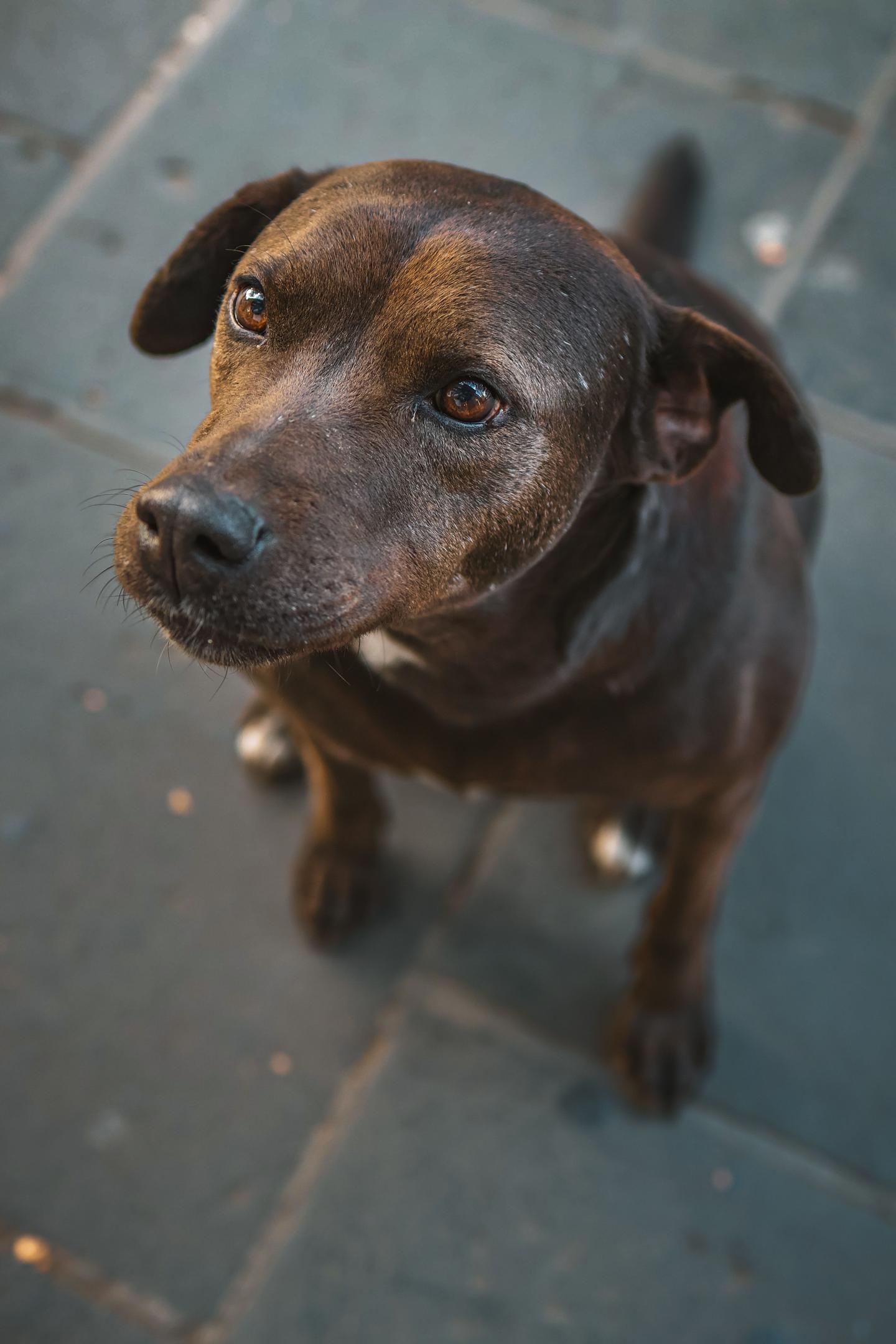
What Is Dry Eye (Keratoconjunctivitis Sicca)?
Healthy tears do much more than simply keep the eyes moist. Tears play a critical role in maintaining eye health by lubricating the surface of the eye, washing away dirt and debris, providing oxygen and nutrients to the cornea, protecting against infection, and supporting clear vision (Gelat, 2003).
When tear production decreases, the surface of the eye becomes dry and irritated. Without adequate lubrication, inflammation develops, making the eyes more vulnerable to infection and injury. Sometimes, the body overcompensates and creates a viscous mucus (eye boogers), to try to keep the eye lubricated. This sometimes gives the impression that the eye is cloudy.
Over time, chronic dryness can damage the cornea, the clear outer layer of the eye, resulting in scarring and impaired vision.
Why Are Senior Pets More Prone to Dry Eye?
Aging affects many body systems, including those responsible for tear production.
As pets grow older, the tear glands may become less efficient, producing fewer tears than they did during earlier years. In addition, some underlying conditions in older dogs, including neurological problems, as well as certain medications, can reduce tear production (Leonard et al., 2019).
Because aging pets often experience multiple health concerns simultaneously, dry eye may develop gradually and go unnoticed until symptoms become more severe.
Regular veterinary examinations become increasingly important as pets enter their senior years.
Causes of Dry Eye in Senior Pets
Several factors can contribute to dry eye in aging dogs and cats.
Age Related Tear Gland and Tear Production Changes
Natural aging may reduce the function of tear producing glands. Although not every senior pet develops dry eye, advancing age increases the risk.
Immune Mediated Disease
The most common cause of dogs dry eye is one of the immune mediated diseases, an autoimmune reaction in which immune system attacking tear tissue reduces normal lubrication (Dodi, 2015).
In these cases, the body's immune system attacks the lacrimal glands and the third eyelid gland, so damage to each eyelid gland lowers tear production.
This condition often develops gradually and may worsen over time without treatment.
Medication Side Effects
Certain medications may reduce tear production.
Sulfa antibiotic drugs, antihistamines, sedatives and some anti inflammatory drugs are common examples, and long term administration of some oral antibiotics can also reduce tear production.
Senior pets are often prescribed medications for chronic conditions, making medication review an important part of diagnosis.
Endocrine Disorders
Hormonal diseases can affect tear production. Conditions that may contribute include diabetes mellitus, hypothyroidism or Cushing's disease.
Because these disorders become more common with age, they may indirectly increase the risk of dry eye.
Nerve Damage
The nerves responsible for stimulating tear production through the nervous system can be damaged by:
-
ear infection
-
inner ear infection
-
traumatic injury
-
other infectious diseases
-
Neurological disease
-
Surgery
When nerve signals are disrupted, tear production may decline.
Breed Predisposition
Although dry eye can affect any pet, some breeds are more susceptible.
Commonly affected dog breeds include Cocker Spaniels, Bulldogs, Shih Tzus, Lhasa Apsos, Pugs, Boston Terriers and West Highland White Terriers.
Many of these breeds are also prone to other eye conditions that can complicate treatment. Certain breeds may also be affected by congenital alacrimia, which limits tear production from an early age.
Dry Eye in Cats
Dry eye is less common in cats than dogs but can still occur.
Potential causes include chronic viral infections, immune mediated disease, an allergic reaction, age related changes, and certain medications. Because cats often hide discomfort well, symptoms may be subtle (Donato et el., 2024).
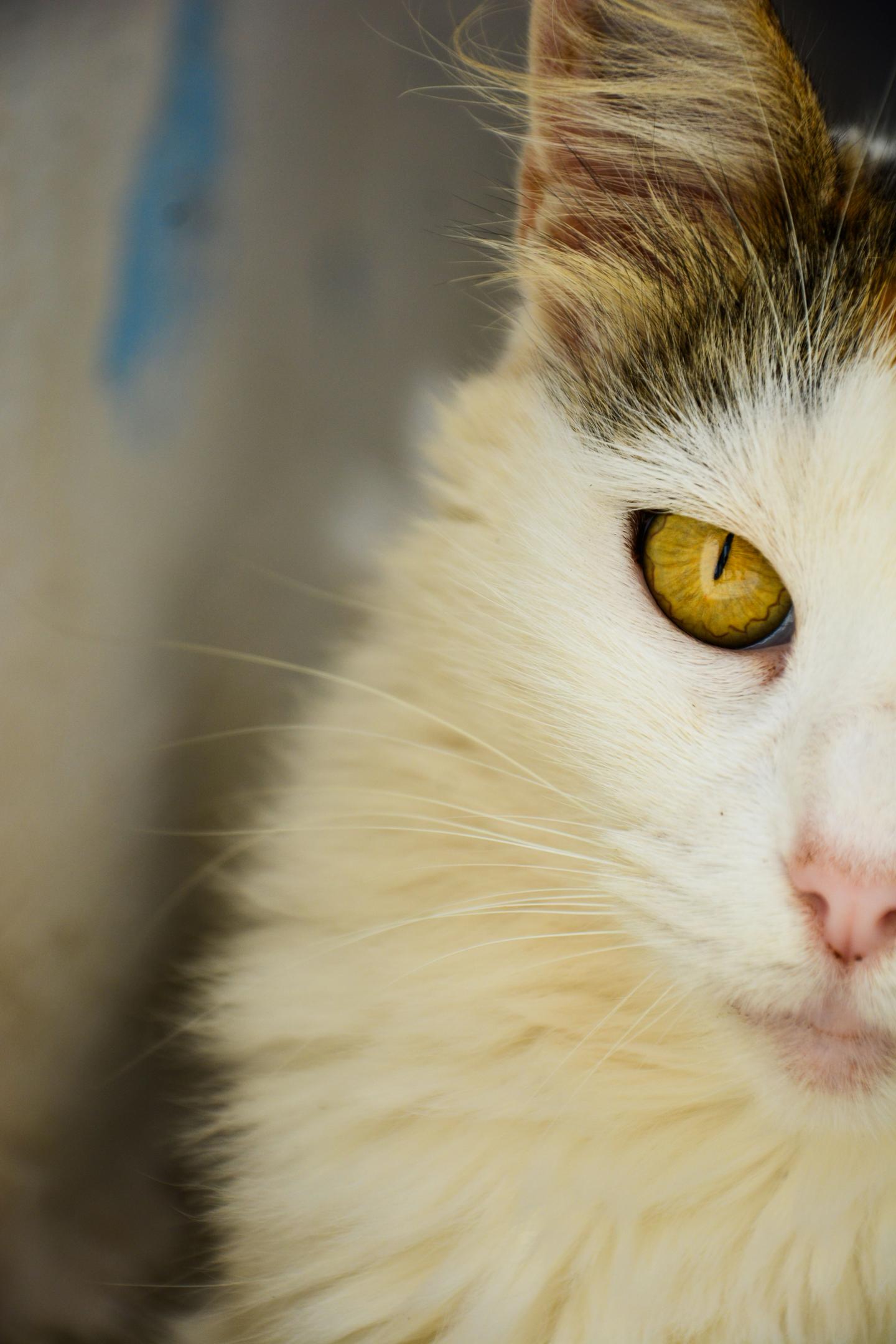
Signs and Symptoms of Dry Eye
Dry eye can affect one or both eyes.
Symptoms may vary depending on severity, but common signs include:
Thick Eye Discharge
One of the hallmark signs of dry eye is mucoid discharge that is thick and sticky.
Common symptoms of dry eye include thick yellow discharge, redness, and frequent blinking, and the discharge is often yellow, green, or mucus-like rather than watery.
Owners may find themselves repeatedly cleaning their pet’s eyes. This mucus makes the eye look opaque and cloudy.
Redness
Pets with dry eye often develop red eyes, or red, inflamed eyes, because of irritation of the tissues surrounding the eye.
Frequent Blinking
Pets with dry eye often blink excessively in an attempt to relieve discomfort.
Squinting
Persistent squinting may indicate irritation, pain, or sensitivity.
Dull Appearance of the Eye
Healthy eyes appear bright and moist.
Affected dog's eye may look dull or cloudy, and in advanced cases this can signal vision impairment.
Pawing at the Face
Some pets rub their eyes with their paws or against furniture to relieve discomfort.
Light Sensitivity
Bright light may become uncomfortable for affected pets.
Behavioral Changes
Chronic eye irritation can affect mood and behavior.
Pets may become less active, irritable, withdrawn and reluctant to play.
Because many of these signs overlap with other eye conditions, professional evaluation is essential.
Why Dry Eye Should Never Be Ignored
Many owners assume eye discharge is simply a normal part of aging.
Unfortunately, untreated dry eye can lead to significant complications (Williams, 2008).
Corneal Ulcers
The cornea depends on tears for protection and nourishment.
Without adequate lubrication, dry eye syndrome can lead to painful corneal ulcers or corneal ulceration.
Chronic Infections
Tears help remove bacteria and debris.
Reduced tear production increases the risk of recurrent infections.
Corneal Scarring
Long-term inflammation may lead to permanent scarring.
Scarring can interfere with vision and may not be reversible.
Pigmentation of the Cornea
Chronic irritation sometimes causes dark pigment to spread across the cornea.
This pigmentation can obstruct vision over time.
Vision Loss
In severe cases, untreated dry eye may result in partial or complete blindness.
Early intervention greatly reduces the risk of complications.
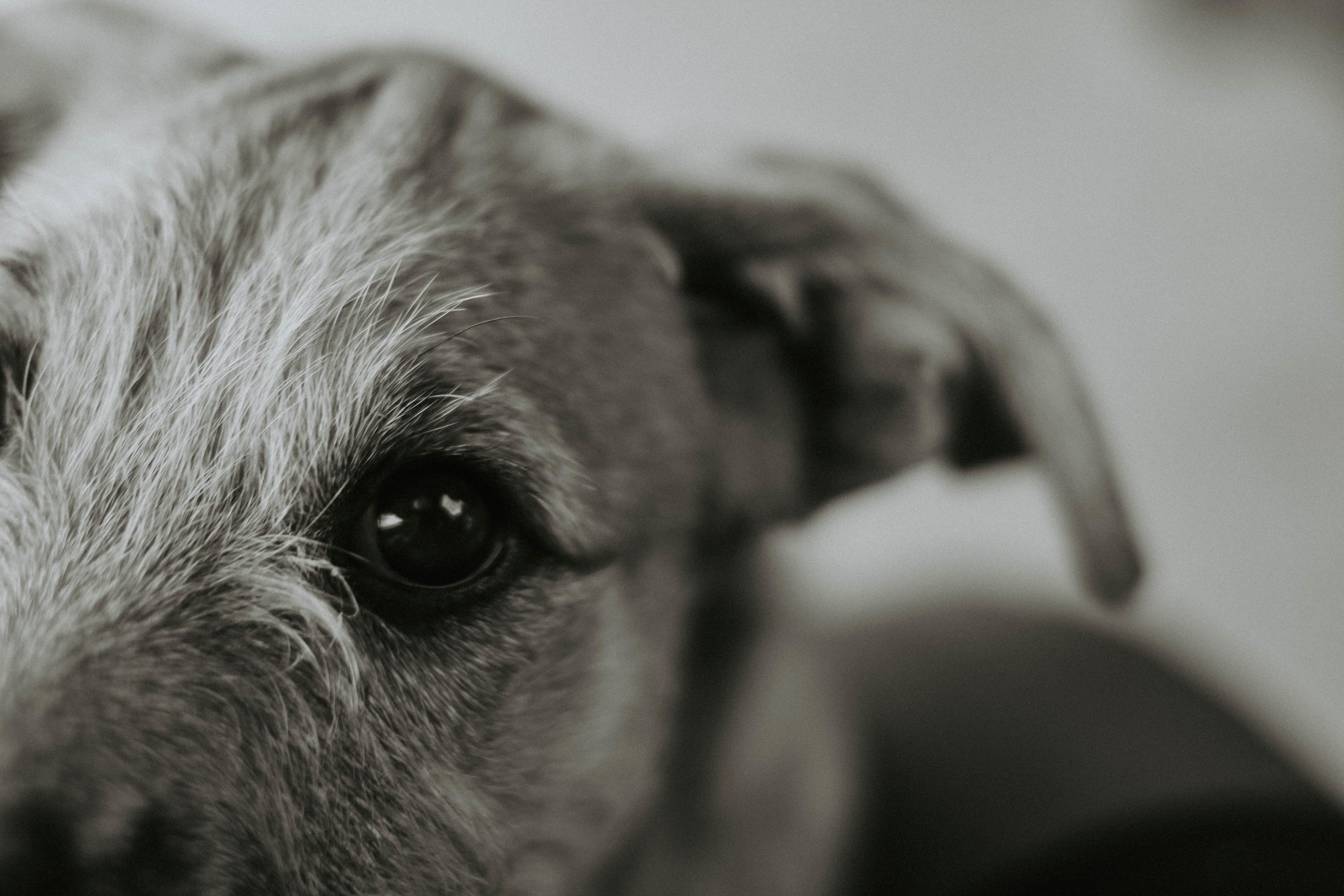
How Veterinarians Diagnose Dry Eye
Fortunately, diagnosing dry eye is relatively straightforward.
Physical Examination
The vet will examine the eyes for signs of inflammation, discharge, corneal damage, secondary infection, and changes in intraocular pressure using a tonometer.
Schirmer Tear Test
The Schirmer Tear Test is the standard diagnostic tool for dry eye.
A small strip of paper is placed under the lower eyelid for approximately one minute.
The strip measures tear production and helps determine whether the eyes are producing adequate moisture.
The test is quick, safe, and generally well tolerated.
Corneal Staining
A fluorescein stain may be applied to detect ulcers or scratches on the cornea.
Additional Testing
If an underlying disease is suspected, additional diagnostics may include:
-
Blood work
-
Hormone testing
-
Neurological evaluation
-
Medication review
Identifying contributing factors helps guide treatment.
Treatment Options for Dry Eye
Although dry eye often cannot be cured completely, it can usually be managed successfully.
Most pets respond well when treatment begins early.
Tear Stimulating Medications
Prescription medications that stimulate tear production are often the cornerstone of the best treatment.
Commonly used drugs include:
-
Cyclosporine
-
Tacrolimus
These medications help reduce immune-mediated damage and stimulate tear production in dogs.
Artificial Tears
Lubricating eye drops help supplement moisture and improve comfort.
Depending on severity, they may need to be applied multiple times daily.
Antibiotics
Secondary infections are common and antibiotics may be used to treat them when they occur.
Anti Inflammatory Medications
Reducing inflammation helps protect the eye and improve comfort.
Treatment of Underlying Disease
Managing contributing conditions such as diabetes or hypothyroidism can improve overall outcomes.
Long Term Management
Dry eye is often a lifelong condition, and many pets require lifelong treatment and monitoring.
Successful management depends on keeping the pet's treatment consistent over time (Reinstein, 2016).
Follow Medication Instructions Carefully
Missing doses can allow symptoms to return quickly.
Following the veterinarian's treatment plan is essential.
Schedule Regular Rechecks
Periodic monitoring helps ensure treatment remains effective.
Your veterinarian may repeat tear production tests to track progress. Most dogs improve within about 12 weeks of starting treatment, and dogs respond well in many cases, though rechecks are still important.
Monitor for Changes
Contact your veterinarian if you notice increased discharge, new redness, squinting, changes in vision and signs of pain.
Prompt adjustments to treatment can prevent complications.
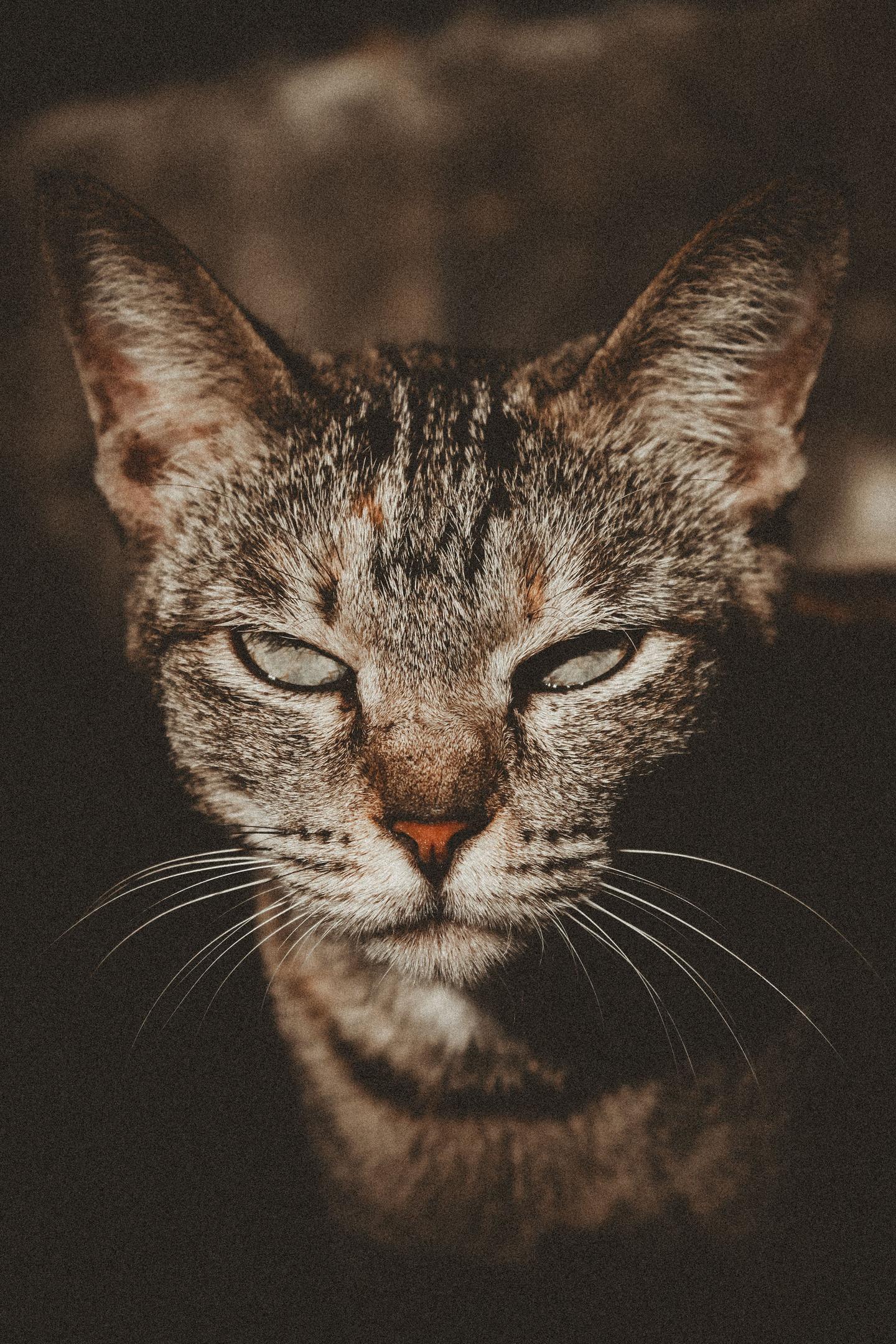
Supporting Eye Health at Home
Pet owners play a major role in maintaining comfort for pets with dry eye.
Keep the Eye Area Clean
Gently remove discharge using a soft, damp cloth.
Avoid harsh soaps or human eye products.
Reduce Environmental Irritants
Limit exposure to cigarette smoke, dust, strong chemicals, and excessive wind.
These irritants may worsen symptoms.
Maintain Good Overall Health
A balanced diet, routine veterinary care, and management of chronic diseases support overall eye health.
Use Medications Consistently
Consistency is often the difference between successful control and recurring problems.
Living With a Senior Pet That Has Dry Eye
A dry eye diagnosis may sound intimidating, and while the condition often requires lifelong treatment and monitoring, most dogs improve within 12 weeks of treatment with proper care.
Most owners quickly adapt to daily eye care routines, and many pets tolerate treatment exceptionally well.
With ongoing management, affected pets can continue to enjoy walks and playtime. Comfortable vision will increase interest in more family interaction and increase quality of life.
The key is recognizing symptoms early and maintaining regular veterinary follow up so many pets can maintain a pain free life.
When to Seek Immediate Veterinary Care
Contact your veterinarian promptly if your pet develops:
-
Sudden eye redness
-
Severe squinting
-
Eye swelling
-
Cloudiness
-
Signs of vision loss
-
Excessive discharge
-
Obvious pain
Eye problems can worsen rapidly, and early treatment often leads to better outcomes. For severe, recurrent, or nonresponsive cases, ask for prompt evaluation by a veterinary ophthalmologist.
Keep in mind
Dry eye is one of the most common chronic eye conditions affecting senior pets. Although it may begin with subtle symptoms such as mild discharge or occasional redness, the condition can become painful and potentially vision-threatening if left untreated.
Fortunately, modern veterinary medicine offers effective ways to diagnose and manage dry eye. Through regular examinations, early intervention, and consistent treatment, most senior pets can maintain healthy, comfortable eyes throughout their later years, though some cases require lifelong treatment. If medical therapy fails, surgery may be needed in select cases, including parotid duct transposition surgery.
Parotid duct transposition reroutes a salivary duct to help provide moisture to the eye as a last-resort option, not a cure.
If your aging dog or cat develops persistent eye discharge, redness, squinting, or other signs of irritation, don’t assume it’s simply a normal part of aging. A veterinary examination can identify the cause and help ensure your beloved companion remains comfortable, happy, and able to enjoy life with clear, healthy vision.
References
Dodi, P. L. (2015). Immune-mediated keratoconjunctivitis sicca in dogs: current perspectives on management. Veterinary Medicine: Research and Reports, 341-347.
Donat Almagro, L., Moutinho, I., Mendes de Oliveira, V., & Ferreira Gonçalves, G. (2024). Impact of stress on the tear production of healthy cats. Journal of feline medicine and surgery, 26(3), 1098612X241233116.
Fentiman, K. E., & McCool, E. S. (2026). Conjunctivitis and Keratitis. The Feline Patient, 177-181.
Gelatt, K. N. (2003). Keratoconjunctivitis sicca in dogs and cats.
Leonard, B. C., Stewart, K. A., Shaw, G. C., Hoehn, A. L., Stanley, A. A., Murphy, C. J., & Thomasy, S. M. (2019). Comprehensive clinical, diagnostic, and advanced imaging characterization of the ocular surface in spontaneous aqueous deficient dry eye disease in dogs. Cornea, 38(12), 1568-1575.
Reinstein, S. (2016). Dry eye in dogs: give them something to cry about.
Williams, D. L. (2008). Immunopathogenesis of keratoconjunctivitis sicca in the dog. Veterinary Clinics of North America: Small Animal Practice, 38(2), 251-268.
Related Posts
What Soccer Did for Dogs in Iceland
Without the tenacity of a soccer player, dogs could very well have disappeared from Iceland. This small country— a kind-hearted nation and so deserving in the recent Euro football tournament—no longer wanted dogs. Dogs were banned from t...
Cloudy Eye Conundrum-Part 3: Cataracts
The bodies of aging pets naturally go through changes. Their energy levels may decrease, their joints may become stiff, and their senses may not be as sharp as they once were. One of the most common age related concerns pet owners notice...
Cloudy Eye Conundrum- Part 2: Lenticular Sclerosis
As pets get older, their bodies naturally go through changes. Just like humans may experience changes in vision as they age, dogs and cats can develop age related eye conditions. One of the most common eye changes seen in senior pets is ...


Leave a comment