


Feline Leukemia Virus, commonly known as FeLV, is one of the most serious infectious diseases affecting cats worldwide. Despite major advances in veterinary medicine, FeLV continues to impact thousands of cats every year. For cat owners, understanding this virus can mean the difference between early intervention and severe illness.
The good news is that while FeLV is a serious condition, cats diagnosed with the virus can still live meaningful and happy lives with proper care. Early testing, prevention, and supportive treatment play a major role in improving outcomes.
Here, we’ll explore everything cat owners need to know about feline leukemia, including how it spreads, symptoms to watch for, available treatments, prevention strategies, and how to care for an FeLV positive cat.
What Is Feline Leukemia Virus (FeLV)?
Feline Leukemia Virus is a contagious viral infection that weakens a cat’s immune system and increases the risk of secondary infections, anemia, and certain types of cancer. The virus belongs to the retrovirus family, which means it inserts itself into the cat’s genetic material and can remain in the body for life.
FeLV is not the same as feline immunodeficiency virus (FIV), although both conditions suppress the immune system. FeLV tends to be more aggressive and is associated with a higher risk of cancer and severe illness (Bruyette, 2020).
The virus affects cats only. Humans, dogs, and other animals cannot catch FeLV from infected cats.
How Common Is FeLV?
FeLV used to be far more widespread before widespread testing and vaccination became common. Today, the infection rate is lower, especially among indoor cats. However, the disease still remains a major concern in shelters, rescue populations, and outdoor cat communities.
Cats most at risk include outdoor cats, stray or feral cats, cats living in multicat households, kittens born to infected mothers and cats with unknown vaccination histories.
Young cats are especially vulnerable because their immune systems are not yet fully developed.
How Does Feline Leukemia Spread?
FeLV infection spreads primarily through close contact between cats, and transmission FeLV commonly occurs through mutual grooming, bite wounds, or sharing food and litter boxes. The virus is present in saliva, nasal secretions, urine, feces, and milk from infected mothers (Hartmann, 2011).
Common ways cats become infected include:
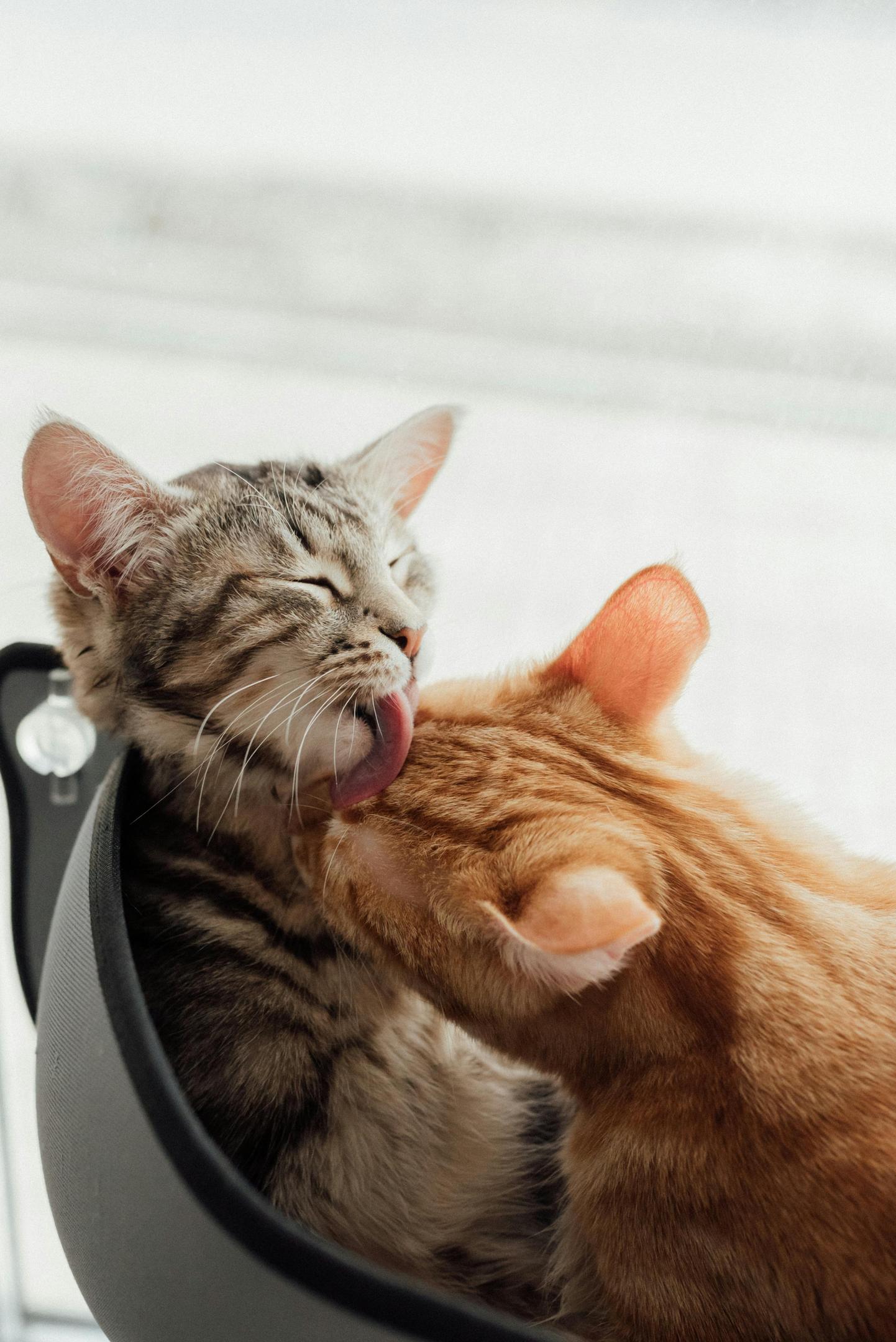
Mutual Grooming
Cats that groom each other frequently can easily transmit the virus through saliva.
Bite Wounds
Fighting and biting are significant transmission methods, especially among outdoor cats.
Shared Food and Water Bowls
Although less common, sharing feeding dishes or shared litter boxes can sometimes spread the virus, especially in closely housed cats.
Mother-to-Kitten Transmission
An infected mother cat can pass the virus to her kittens during pregnancy or nursing.
Blood Transfusions
Rarely, FeLV may spread through contaminated blood transfusions.
The virus does not survive long outside the body, so casual environmental exposure is usually not a major risk. Under normal household conditions, it typically requires close cat-to-cat contact to spread.
What Happens When a Cat Gets Infected?
Not all cats respond to FeLV the same way. Some exposed cats clear the virus, while others develop abortive infections, regressive infections, or progressive infections.
There are generally three possible outcomes after exposure:
1. Abortive Infection
Some cats successfully eliminate the virus before it spreads through the body. These cats usually show no clinical signs, may never test positive later, and generally become immune.
2. Regressive Infection
The virus becomes dormant in the body. Cats may not show symptoms, but the virus can reactivate later during stress or illness.
3. Progressive Infection
The virus spreads throughout the body with ongoing viral replication. These cats are the most likely to shed the virus, become seriously ill, and transmit it to others.
Progressive infection is the most dangerous form of FeLV.
Symptoms of Feline Leukemia
FeLV symptoms can vary greatly depending on the stage of disease and how the virus affects the cat's body. In the early stages, many infected cats appear healthy for months or even years before clinical signs develop (Hartmann, 2011).
As the disease progresses, signs often become more noticeable.
Common Symptoms Include:
-
Weight loss
-
Poor appetite
-
Fever
-
Lethargy
-
Pale gums
-
Enlarged lymph nodes
-
Persistent diarrhea
-
Chronic respiratory infections
-
Skin infections
-
Poor coat condition
-
Mouth inflammation
-
Reproductive problems
-
Behavioral changes
Because FeLV weakens the immune system, affected cats often develop recurring infections that do not respond well to treatment (Bruyette, 2020).
Cancer and FeLV
One of the most serious complications of feline leukemia is cancer. FeLV is strongly associated with lymphoma, a cancer affecting the lymphatic system. It can also cause other fatal diseases, and persistently infected cats often have shorter lifespans because of cancer or other secondary conditions, sometimes living only a few years after diagnosis.
Cats with FeLV are at much higher risk for:
-
Lymphoma
-
Leukemia
-
Bone marrow disorders
-
Immune-related cancers
Cancer may affect the digestive system, chest cavity, kidneys, spinal cord, or other organs.
Symptoms depend on where the cancer develops but may include vomiting, difficulty breathing, paralysis, or severe weight loss.
How Veterinarians Diagnose FeLV
Testing is essential because many infected cats show no symptoms early on.
ELISA Test
The enzyme-linked immunosorbent assay blood test is the most common screening test for FeLV. It detects viral antigens or free FeLV particles in the bloodstream.
This test is quick and can often be performed in the veterinarian's office.
IFA Test
If the initial test is positive, a veterinarian may recommend an indirect immunofluorescent antibody assay to confirm the positive ELISA result.
This test checks whether the virus has reached the bone marrow by detecting it in white blood cells.
PCR Testing
Polymerase chain reaction (PCR) testing may detect viral genetic material and identify regressive infections.
When Should Cats Be Tested?
Veterinarians often recommend testing:
-
FeLV prior to introducing any cat into the household
-
After adoption from a shelter
-
Following exposure to infected cats
-
Before vaccination
-
If a cat shows signs of illness
-
For outdoor cats during routine exams
Infection free cats should be housed separately from infected cats to help prevent transmission.
Even indoor cats may need testing if their history is unknown.
Is There a Cure for Feline Leukemia?
Unfortunately, there is currently no cure for FeLV.
Treatment focuses on managing symptoms and preventing secondary infections. Additionally, supporting immune function and improving quality of life is also important.
Some cats live only a few years after diagnosis, while others survive much longer with good care.
Early detection significantly improves the ability to manage the disease.
Treatment Options for FeLV
Although FeLV cannot be cured, supportive care can make a major difference.
Antibiotics
Secondary bacterial infections are common in FeLV-positive cats. Antibiotics help control these infections.
Anti-Inflammatory Medications
Inflammation in the mouth, intestines, or respiratory tract may require treatment.
Fluids and Nutritional Support
Cats with poor appetite or dehydration may need fluids and specialized nutrition.
Blood Transfusions
Severe anemia sometimes requires transfusions.
Chemotherapy
Cats with lymphoma or leukemia may undergo chemotherapy.
Antiviral Therapies
Some veterinarians use antiviral drugs or immunosupportive therapies, although results vary. Some therapies aim to lower viral load, but benefits vary between cats infected with FeLV.
Because every cat is different, treatment plans should always be customized by a veterinarian.
Life Expectancy for Cats With FeLV
A positive diagnosis does not necessarily mean immediate decline.
Many FeLV positive cats can live comfortably for years, especially if they remain indoors, have secondary infections are treated quickly, live in a househild where stress is minimized, nutrition is optimized and veterinary care is consistent (Hoover and Mullins, 1991).
However, cats with progressive infection often have shorter life expectancies due to immune suppression or cancer (Cotter et al., 1975).
Studies suggest the median survival time after diagnosis is about 2.5 years, though some cats, especially those with regressive infections, live much longer.
Caring for an FeLV Positive Cat
Providing excellent care is essential for maintaining quality of life, including regular veterinary visits, a nutritious diet, prompt treatment of infections, and preventive care such as flea and parasite control. A veterinary visit also helps catch changes early and adjust care as needed (Hartmann et al., 2021).
Keep Your Cat Indoors
Indoor living reduces exposure to infectious diseases and prevents spreading FeLV to other cats.
Feed a High-Quality Diet
Good nutrition supports immune function. Many veterinarians recommend balanced commercial diets rather than raw foods, which may carry harmful bacteria.
Schedule Regular Veterinary Exams
Routine checkups help detect problems early.
Most veterinarians recommend exams every six months for FeLV-positive cats.
Reduce Stress
Stress weakens the immune system further. Keep routines stable and provide safe, comfortable spaces.
Watch for Signs of Illness
Prompt treatment is critical when symptoms appear, as FeLV-positive cats can also develop other infections, including a urinary tract infection.
Monitor for:
-
Changes in appetite
-
Weight loss
-
Sneezing or coughing
-
Vomiting or diarrhea
-
Lethargy
-
Behavioral changes
Can FeLV-Positive Cats Live With Other Cats?
This depends on the infection status of the other cats, especially whether they are non infected cats.
FeLV-positive cats should ideally live only with:
-
Other FeLV-positive cats
-
Vaccinated FeLV-negative cats with low risk of exposure
FeLV-infected cats should ideally be separated from non infected cats in the household.
Even vaccinated cats are not completely protected.
Careful management and veterinary guidance are important in multi-cat households.
The FeLV Vaccine
Vaccination remains one of the best prevention tools available.
Who Should Be Vaccinated?
Veterinarians commonly recommend FeLV vaccination because it is considered a core vaccine for kittens, and it is highly recommended for outdoor cats and cats living in multi-cat environments:
-
Kittens
-
Outdoor cats
-
Cats in multi-cat environments
-
Cats exposed to unknown cats
Indoor-only adult cats with no exposure risk may not require continued vaccination.
How Effective Is the Vaccine?
No vaccine offers 100% protection, but the FeLV vaccine significantly reduces infection risk.
Vaccination is especially important for young cats because kittens are highly susceptible.
Preventing Feline Leukemia
Preventing FeLV is much easier than treating it.
Prevention Tips
Test New Cats
Always test new cats with FeLV tests before introducing them to resident pets.
Keep Cats Indoors
Indoor cats are less likely to encounter infected animals.
Vaccinate At Risk Cats
Vaccination adds an important layer of protection.
Avoid Contact With Strays
Limit interactions with unknown cats.
Maintain Regular Veterinary Care
Routine exams help catch infections early.
FeLV and Kittens
Kittens infected with FeLV often become severely ill more quickly than adults, and when a kitten or young cat develops the virus, illness often progresses faster than in older cats.
Common issues can include failure to thrive, recurrent respiratory infections, anemia and weak immune response.
Because kittens are highly vulnerable, testing and vaccination are especially important in young cats.
Pregnant cats should also be tested before breeding.
Emotional Impact of an FeLV Diagnosis
Receiving an FeLV diagnosis can feel overwhelming for pet owners. Many people immediately fear the worst.
However, a positive diagnosis is not always an immediate death sentence.
Many cats continue to play, eat normally, bond with family members and enjoy daily activities.
The goal becomes maximizing comfort, health, and happiness.
Support from veterinarians, rescue groups, and online cat communities can help owners navigate the emotional challenges of caring for an FeLV-positive cat.
Common Myths About Feline Leukemia
Myth 1: FeLV Is Highly Contagious to Humans
False. FeLV only affects cats.
Myth 2: All FeLV-Positive Cats Die Quickly
False. Not all cats that test positive decline quickly, and some live many healthy years after diagnosis and remain comfortable for years with proper care.
Myth 3: Indoor Cats Cannot Get FeLV
False. Indoor cats can become infected through new pets, escape incidents, or previous exposure.
Myth 4: FeLV-Positive Cats Should Always Be Euthanized
False. Many FeLV-positive cats maintain excellent quality of life with proper care.
Should You Adopt an FeLV-Positive Cat?
Many wonderful cats with FeLV struggle to find homes because of fear and misunderstanding.
Adopting an FeLV positive cat can be deeply rewarding for prepared owners.
Before adopting, consider:
-
Veterinary expenses
-
Ability to separate infected and healthy cats
-
Commitment to long-term care
-
Emotional preparedness
If a cat tests positive before adoption into a multicat home, talk with your veterinarian about confirmatory testing and whether your household setup can safely accommodate that cat.
FeLV positive cats often form strong bonds with their caregivers and deserve loving homes.
Advances in FeLV Research
Veterinary researchers continue studying FeLV to improve treatments and outcomes.
Areas of ongoing research include better antiviral medications, improved vaccines, immunebased therapies, cancer treatment advances and earlier diagnostic tools (Hartmann et al., 2021).
While no cure currently exists, ongoing research offers hope for better future management.

When to Seek Veterinary Care Immediately
Cats with FeLV can decline quickly when infections or complications arise.
Seek veterinary care immediately if your cat experiences difficulty breathing, severe lethargy, refusal to eat, persistent vomiting, sudden weight loss, pale gums, seizures and/or difficulty walking.
Rapid intervention may significantly improve outcomes.
A word of advice
Feline Leukemia Virus remains one of the most serious infectious diseases affecting cats, but awareness and prevention have dramatically reduced its impact over the years.
Testing, vaccination, indoor living, and early veterinary care are the most effective ways to protect cats from FeLV. For cats already diagnosed, compassionate care and close medical monitoring can help maintain a good quality of life for as long as possible (Hartmann et al., 2021).
Most importantly, FeLV positive cats are still deserving of love, comfort, and companionship. With the right support, many continue to enjoy happy lives with the people who care for them.
Understanding the disease empowers cat owners to make informed decisions and provide the best possible care for their feline companions.

References
Bruyette, D. S. (2020). Feline leukemia virus. Clinical Small Animal Internal Medicine, 877-881.
Cotter, S. M., Hardy, W. D., & Essex, M. (1975). Association of feline leukemia virus with lymphosarcoma and other disorders in the cat. Journal of the American Veterinary Medical Association, 166(5), 449-454.
Hartmann, K. (2011). Clinical aspects of feline immunodeficiency and feline leukemia virus infection. Veterinary immunology and immunopathology, 143(3-4), 190-201.
Hartmann, K., Hofmann-Lehmann, R., & Sykes, J. E. (2021). Feline leukemia virus infection. In Greene's Infectious Diseases of the
Hoover, E. A., & Mullins, J. I. (1991). Feline leukemia virus infection and diseases. Journal of the American Veterinary Medical Association, 199(10), 1287-1297.
Related Posts

Puppy Pathogens: Parvo and Distemper
Bringing home a new puppy is an exciting milestone filled with cuddles, playtime, and unforgettable memories. But parvovirus (parvo) and distemper are highly contagious, potentially fatal viral diseases in dogs (especially puppies) that ...

What Soccer Did for Dogs in Iceland
Without the tenacity of a soccer player, dogs could very well have disappeared from Iceland. This small country— a kind-hearted nation and so deserving in the recent Euro football tournament—no longer wanted dogs. Dogs were banned from t...

Cloudy Eye Conundrum-Part 3: Cataracts
The bodies of aging pets naturally go through changes. Their energy levels may decrease, their joints may become stiff, and their senses may not be as sharp as they once were. One of the most common age related concerns pet owners notice...


Leave a comment