


As pets get older, their bodies naturally go through changes. Just like humans may experience changes in vision as they age, dogs and cats can develop age related eye conditions. One of the most common eye changes seen in senior pets is lenticular sclerosis, a condition that affects the lens of the eye (Glaze, 1997).
Many pet owners notice that their dog’s or cat’s eyes appear to have a cloudy, bluish, or grayish color and immediately worry that their companion is developing cataracts or losing their vision. While lenticular sclerosis can look alarming, it is often a normal part of aging and does not usually cause serious vision problems (Bellows et al., 2015).
Understanding what lenticular sclerosis is, how it differs from other eye diseases, and when veterinary care is needed can help pet owners make informed decisions about their pet’s health.
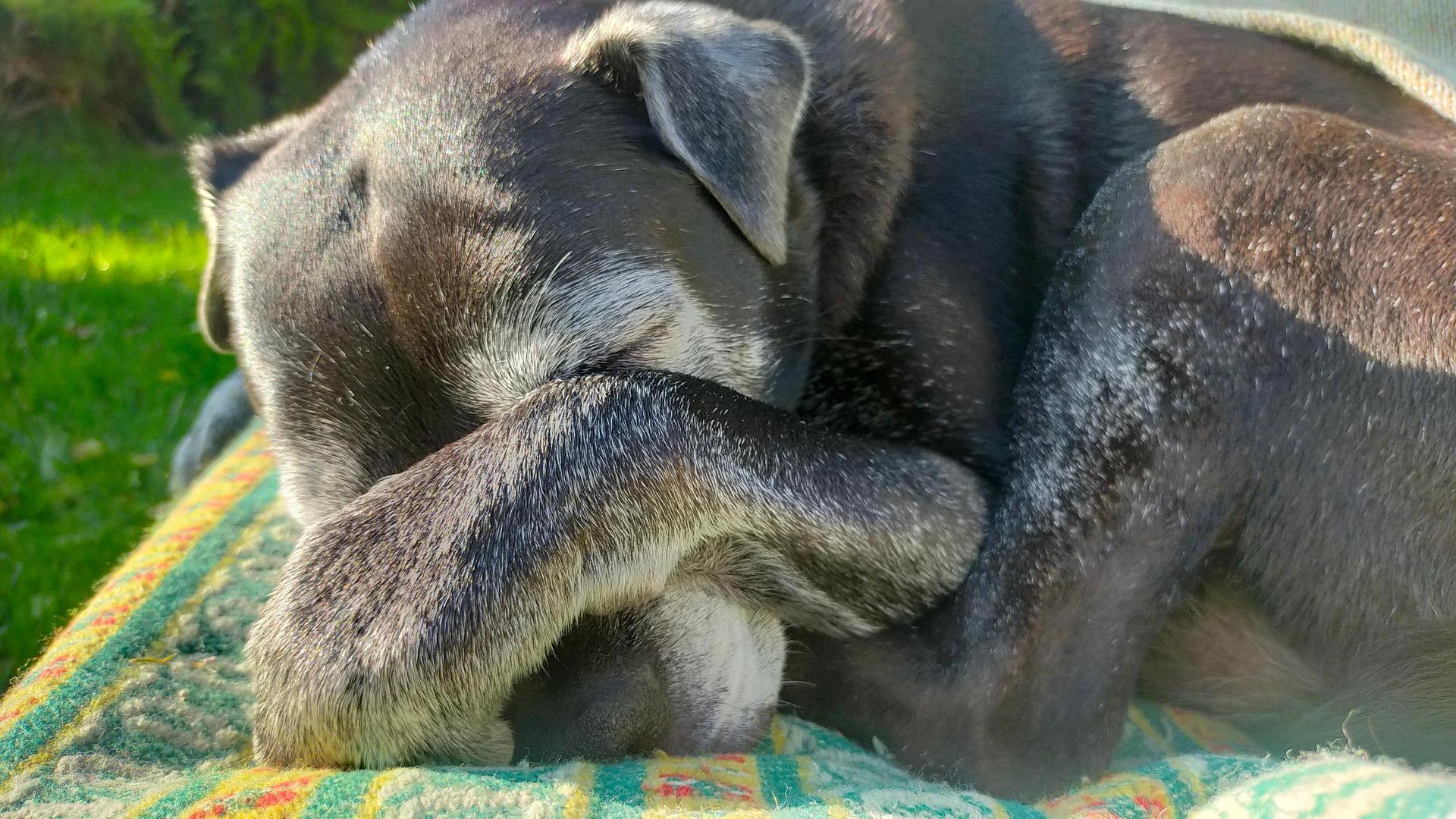
What Is Lenticular Sclerosis (Nuclear Sclerosis)?
Lenticular sclerosis, also called nuclear sclerosis, is an age related change that occurs inside the lens of the eye. The lens is the clear structure located behind the iris (the colored part of the eye) that helps focus light onto the retina so an animal can see (Sapienza, 2015).
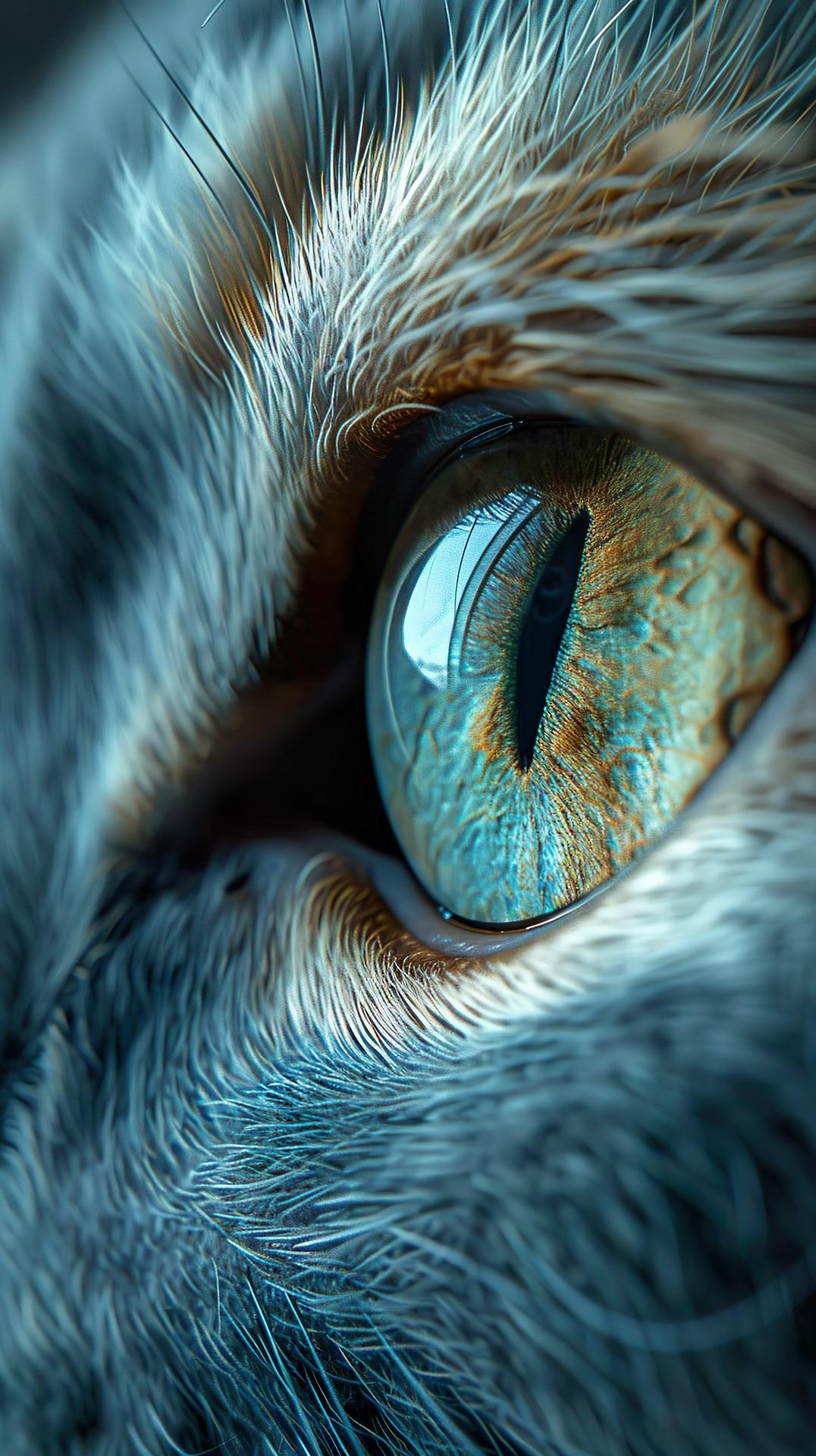
Throughout a pet’s life, fibers are continuously produced in the lens. As they build up, they compress the older inner lens fibers, causing hardening and creating a denser sclerotic lens. This age-related change is characterized by a bluish haze in the center of the lens (Demir and Düzgün, 2021).
Unlike cataracts, lenticular sclerosis is not defined by opacity of the eye. Instead, the lens remains mostly transparent, allowing light to pass through. Because of this, most pets with lenticular sclerosis can still see well (Pinard, 2012).
The condition is especially common in older dogs and cats, usually appearing around middle age to senior years, depending on the individual animal.
Is Lenticular Sclerosis the Same as Cataracts?
One of the biggest sources of confusion for pet owners is the difference between lenticular sclerosis and cataracts.
Both conditions can cause the eyes to look cloudy, but they are very different.
A cataract occurs when the lens becomes cloudy due to changes in the lens proteins. Cataracts are characterized by white, opaque changes in the lens that block light from reaching the retina and can interfere with vision (Pinard, 2012). In older pets, this age-related form is often called senile cataracts. Depending on severity, cataracts may eventually lead to partial or complete blindness and other serious eye problems (Glaze, 1997).
Lenticular sclerosis, on the other hand, is a normal aging change. With lenticular sclerosis, pets do not experience major vision loss though a bluish haze may be present. (Demir and Düzgün, 2021). The lens becomes denser, but it remains functional. A vet can usually distinguish between the two during an eye examination. They may use specialized equipment to examine the lens and determine whether the retina or fundus is still visible through the lens, a leading distinction from cataracts.
What Causes Lenticular Sclerosis in Pets?
The primary cause of lenticular sclerosis is aging.
The lens of the eye changes throughout a pet’s life, and in dogs this often appears around age 8 to 10. In younger animals, the lens is flexible and clear, allowing it to change shape easily and focus on objects at different distances. Over time, new fibers continue to form in the lens and compact the center, causing it to become denser and less flexible (Bellows et al., 2015).
This process happens naturally in many animals, including dogs and cats, and it is a normal change seen in senior dogs. In dogs, lenticular sclerosis is considered benign, with age being the main risk factor. About 50% of dogs over 10 years develop lenticular sclerosis, and by the time they're considered late geriatric (13+ years), nearly all dogs have hardened lenses (Sapienza, 2015).
Some factors that influence when lenticular sclerosis develops include:
-
Age: It is common in dogs over 9 years old, affecting about 50% of dogs over 9.
-
Breed: Some breeds may show age-related eye changes earlier than others.
-
Genetics: Individual differences can influence how quickly aging changes occur.
-
Overall health: General wellness and previous eye conditions may affect eye appearance.
Unlike some eye diseases, lenticular sclerosis is not usually caused by injury, infection, or poor nutrition.
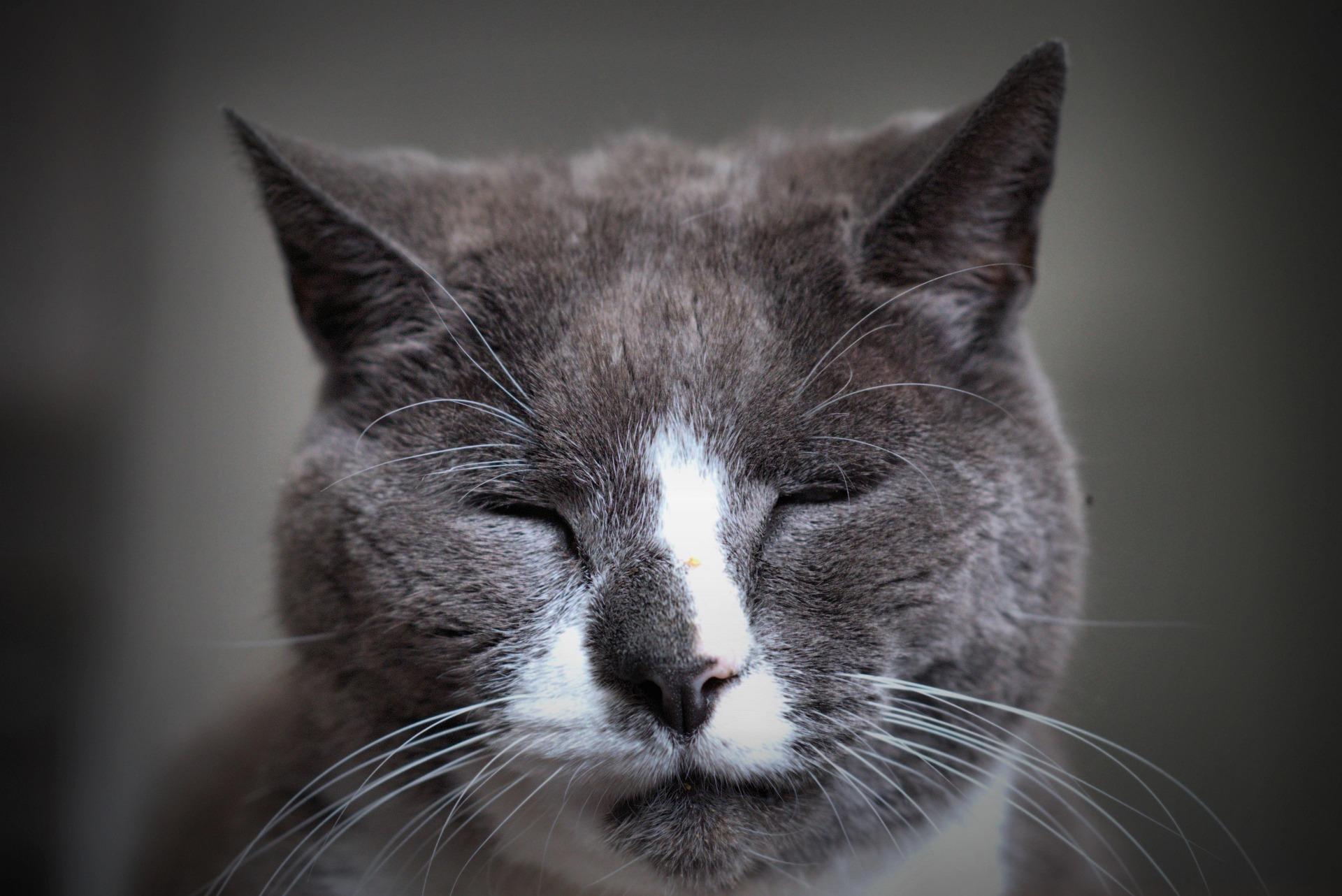
Common Symptoms and Signs of Lenticular Sclerosis in Dogs and Cats
The most noticeable sign is a change in the appearance of the eyes.
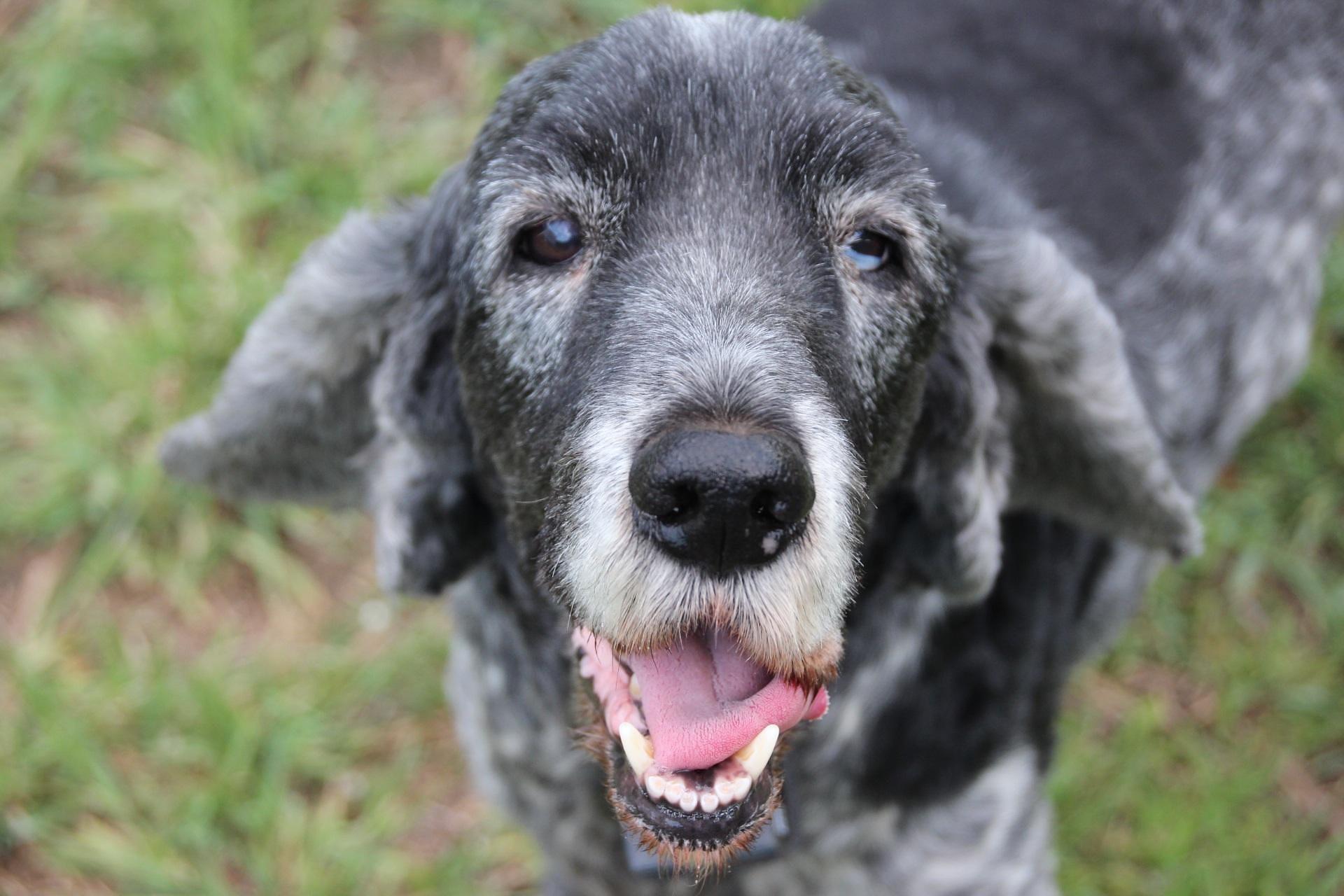
Pet owners may observe a blue-gray or hazy appearance visible in both eyes in dogs, a cloudy look in both eyes, changes becoming more noticeable in bright light, and/or a slightly different reflection from the eyes (Glaze, 1997).
The common symptoms are usually limited to these changes in lens appearance, with few other signs.
A pet with lenticular sclerosis will often continue normal activities, including walking, playing, finding toys, navigating familiar areas, and recognizing family members (Demir and Düzgün, 2021).
Because vision is usually preserved, many pets often adapt well in familiar environments despite mild vision changes, so their owners may not notice any change in behavior.
Can Lenticular Sclerosis Affect Vision?
Most pets with lenticular sclerosis maintain functional vision.
However, because the lens becomes harder and less flexible, some animals may have mild difficulty focusing on nearby objects, and fine detail may be slightly reduced (Glaze, 1997). This is similar to age related changes in human vision, a bit like when people start needing reading glasses.
A pet may occasionally have trouble with seeing small objects close up, adjusting quickly between bright and dim environments, focusing at different distances, reduced night vision in low light, and reduced depth perception that can add to hesitation on stairs or cause them to misjudge an offered treat and accidentally nip a finger (Demir and Düzgün, 2021).
These changes are usually mild and do not significantly affect quality of life.
If a pet suddenly appears unable to see, bumps into objects, becomes hesitant on stairs, or shows major behavioral changes, lenticular sclerosis alone may not explain the problem. Other eye or neurological conditions should be considered (Bellows et al., 2015).
How Is Lenticular Sclerosis Diagnosed by Veterinary Medicine?
Diagnosis typically occurs during a routine vet visit or ophthalmic exam, when the patient is evaluated in a standard eye exam in veterinary medicine.
A veterinarian will examine the patient's eyes using tools that allow them to look at the lens and other structures. They may check the clarity of the lens, the pupil, the iris and how it helps control how much light enters the eye, whether the retina or fundus remains visible through the lens, the pressure inside the eye to help detect glaucoma from excess fluid buildup, and the overall health of the eye (Sapienza, 2015).
The goal is to rule out conditions that can resemble lenticular sclerosis, including:
-
Cataracts
-
Glaucoma
-
Retinal disease
-
Eye inflammation
-
Uveitis
-
Other age related changes
A proper diagnosis is important because some eye conditions require treatment to protect vision, and regular check ups help monitor for cataracts as the pet ages.
Does Lenticular Sclerosis Require Treatment?
In most cases, lenticular sclerosis does not require treatment.
There are no medications or surgery that can reverse normal age related lens changes in lenticular sclerosis. Since the condition is not typically painful and does not usually threaten vision, veterinarians often recommend monitoring rather than intervention, as treatment options are generally limited to routine exams and general steps that support eye health, including discussing nutritional supplements with your veterinarian.
The best approach is regular veterinary checkups, especially as pets enter their senior years.
During routine exams, your veterinarian can monitor whether the eyes are changing normally or whether another problem is developing.
Caring for a Cat's or Dog's Lenticular Sclerosis
Although lenticular sclerosis itself does not require special treatment, supporting your pet’s overall eye health is important.
Schedule Regular Veterinary Exams
Senior pets benefit from regular wellness visits. Eye changes can progress slowly, and these exams matter even when changes seem slow, because gradual progression can hide other disease and early detection of other problems can make a major difference.
Keep the Environment Safe
If your pet develops any degree of vision difficulty, simple adjustments can help:
-
Avoid rearranging furniture frequently
-
Keep pathways clear, and use non-slip mats near stairs or slick floors
-
Use consistent feeding and sleeping locations
-
Provide night lights at night
-
Ask family members to avoid sudden movements when approaching your pet
Familiar surroundings help pets feel confident.
Watch for Changes
Pet owners should pay attention to any new symptoms, including redness in the eye, squinting, excessive tearing, rubbing the face or eyes, swelling, sudden vision changes, and any other signs of pain or discomfort. These signs may indicate a different eye problem requiring veterinary attention.
Can Lenticular Sclerosis Be Prevented?
Because lenticular sclerosis is a natural aging process, it generally cannot be prevented (Glaze, 1997).
However, maintaining good overall health may support your pet’s eyes as they age.
Helpful habits include providing a balanced diet, maintaining a healthy weight, scheduling routine veterinary care, protecting eyes from injury, and managing chronic health conditions.
A healthy lifestyle supports your pet’s entire body, including their eyes.
When Should You Be Concerned About Cloudy Eyes?
Not every cloudy eye is harmless.
Pet owners should contact a veterinarian if they notice:
-
Cloudiness appearing suddenly
-
One eye changing more than the other
-
Signs of discomfort
-
Loss of coordination
-
Behavioral changes
-
Difficulty finding objects
-
Red or swollen eyes
Sudden eye changes can sometimes signal urgent conditions (Bellows et al., 2015).
For example, glaucoma can cause increased pressure inside the eye and may lead to pain and vision loss if not addressed quickly. Cataracts may also progress and affect a pet’s ability to see.
Living Happily With Senior Dogs and Aging Pets
A diagnosis of lenticular sclerosis can sound concerning, especially when a beloved companion’s eyes begin to look different. However, this condition is often simply a sign that a pet is entering a new stage of life.
Many dogs and cats with lenticular sclerosis continue to enjoy their daily routines for years. They can play, cuddle, explore, and interact with their families just as they always have.
The key is understanding the difference between normal aging and disease.
Regular veterinary visits, awareness of changes, and attentive care allow pet owners to support their animals through their senior years.

Always keep in mind
Lenticular sclerosis is a common age related eye change found in many older dogs and cats. Although it can cause the eyes to appear cloudy or bluish, it usually does not cause significant vision problems or require treatment.
The most important step for pet owners is not to ignore eye changes but also not to panic. A veterinary examination can determine whether the appearance is due to normal aging or something that needs medical attention.
With proper care, many pets with lenticular sclerosis continue to live comfortable, active, and happy lives well into their senior years (Glaze, 1997). If you want to learn about other conditions that cause cloudy eyes, you can click here for more information about Dry Eye.
References
Bellows, J., Colitz, C. M., Daristotle, L., Ingram, D. K., Lepine, A., Marks, S. L., ... & Zhang, J. (2015). Common physical and functional changes associated with aging in dogs. Journal of the American Veterinary Medical Association, 246(1), 67-75.
Demir, A., & Düzgün, O. (2021). Diagnosis, medical and operative treatments of lens diseases in cats and dogs. Erciyes Üniversitesi Veteriner Fakültesi Dergisi, 18(3), 152-165.
Glaze, M. B. (1997). Ophthalmic disease and its management. Veterinary Clinics: Small Animal Practice, 27(6), 1505-1522.
Pinard, C. (2012). Lens disease: cataracts and luxations.
Sapienza, J. S. (2005). Feline lens disorders. Clinical Techniques in Small Animal Practice, 20(2), 102-107.
Related Posts
Itchy Dogs: Could a Food Allergy be the Culprit?
If your dog is constantly scratching, licking their paws, developing recurring ear infections, or experiencing digestive problems, you may wonder whether their food is to blame. Food allergies can affect dogs of any age, breed, or size, ...
Diabetes in Dogs and Cats
Diabetes mellitus is a common endocrine disease in dogs and cats. While a diabetes diagnosis can initially feel overwhelming, many diabetic pets can continue to enjoy a good quality of life with appropriate veterinary care and consistent...
How to compare mushroom supplements: Buddy Guard vs. Critical Immune Defense
This comparison is published by Petsmont, the maker of Buddy Guard on August 5th, 2026. Competitor information came from publicly available labels and manufacturer materials. TLDR: Summary Table Buddy Guard Critical Immune Defense ...


Leave a comment