


If your dog is constantly scratching, licking their paws, developing recurring ear infections, or experiencing digestive problems, you may wonder whether their food is to blame. Food allergies can affect dogs of any age, breed, or size, and they can be frustrating to identify because their symptoms often overlap with other common conditions.
Although food allergies are real, they are also frequently misunderstood. Not every dog that reacts to a food has a true food allergy, and many cases of itching are caused by environmental allergies, parasites, or skin infections instead (Carlotti et al., 1990).
Understanding what food allergies are, what causes them, how to recognize the warning signs, and how veterinarians diagnose and manage them can help you make better decisions about your dog's health.

What Is a Food Allergy in Dogs?
A food allergy occurs when a dog's immune system mistakenly identifies a normally harmless ingredient in food as a threat. The immune system responds by producing an inflammatory reaction.
Food allergies are different from food intolerances, and both fall under adverse food reactions recognized in dogs and cats (Harvey, 1993).
A food allergy involves the immune system, while a food intolerance does not necessarily involve an immune response. Lactose intolerance is one example of a nonimmune reaction, and in dogs, true food allergies are relatively uncommon, affecting about 0.2% of dogs. A dog with a food intolerance might develop vomiting, diarrhea, gas, or other digestive problems after eating a particular ingredient without having a true allergic reaction.
Food allergies can develop even if a dog has eaten the same food for years without any problems. In fact, previous exposure to an ingredient is thought to play a role in developing an allergic response.
Dogs can also develop food allergies at almost any age. While many are diagnosed when they are young or middle aged, an older dog can develop a food allergy as well.
What Foods Cause Allergies in Dogs?
Dogs can potentially become allergic to almost any ingredient, but food protein is the most common trigger category in food allergies in dogs. However, some ingredients are reported more frequently in dogs with food allergies.
Common food allergens include:
-
Beef
-
Dairy products
-
Chicken
-
Wheat
-
Lamb
-
Soy
-
Egg
-
Pork
-
Fish
The most common triggers are usually proteins, especially beef, chicken, and dairy proteins, and beef is statistically one of the most frequent culprits. Soy is also a common allergen in many dog foods, and wheat can sometimes cause allergies in dogs, with wheat gluten noted as another common allergen.
Importantly, these foods are not inherently "bad" for dogs. They are simply ingredients that some individual dogs may react to.
Protein sources tend to be common triggers because proteins are often responsible for stimulating an immune response, and egg proteins can also trigger an immune response in some sensitive dogs. However, carbohydrates and other ingredients can also cause reactions.
This is one reason it is not always helpful to simply switch your dog from one commercial food to another. If the new food contains another ingredient your dog reacts to, the problem may continue.

Signs of Food Allergies in Dogs
The symptoms of food allergies can vary considerably from one dog to another. Some dogs primarily develop skin problems, while others experience digestive symptoms. Some may have both.
Itchy Skin
Persistent itching is one of the most common food allergy signs and clinical signs that make owners suspect their dog has an allergy (Gaschen and Merchant, 2011).
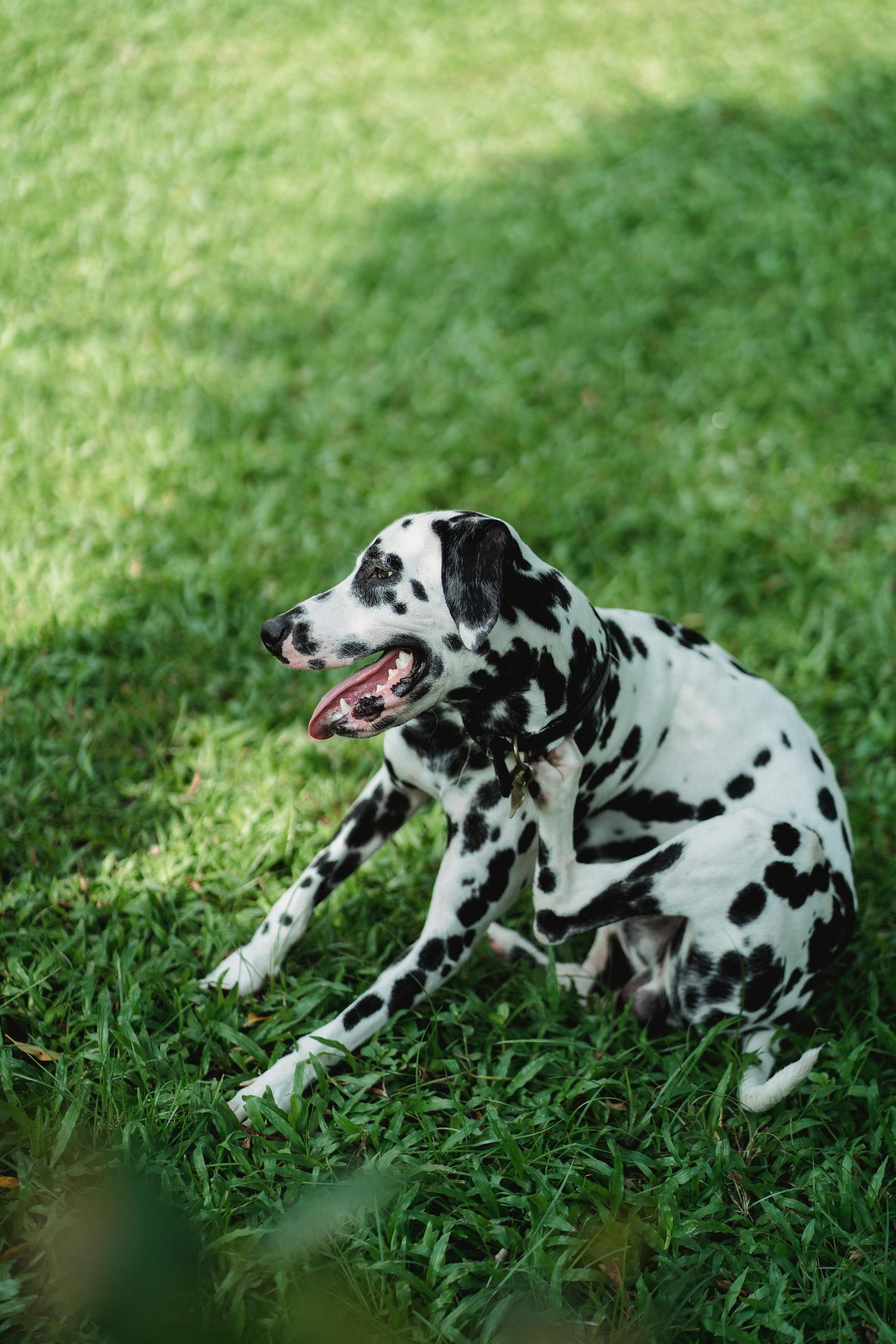
A dog may scratch, chew, lick, or rub areas of the body repeatedly. Common locations include the paws, face, ears, belly, armpits, and groin.
Some dogs become so itchy that they damage their skin. This can lead to redness, hair loss, scabs, and secondary infections (Kennis, 2006).
However, itching alone does not mean your dog has a food allergy. Fleas, environmental allergies, mites, bacterial infections, and yeast infections can all cause similar symptoms.
Paw Licking
Dogs with allergies frequently lick or chew their paws.
You may notice your dog licking their feet after coming inside, chewing between their toes, or developing reddish-brown staining on the fur around their paws.
Chronic licking can damage the skin and create an environment where bacteria and yeast thrive, potentially making the problem even worse.

Recurrent Ear Infections
Repeated ear infections can sometimes be associated with allergies.
A dog may develop red, inflamed ears accompanied by:
-
Head shaking
-
Scratching at the ears
-
Odor
-
Discharge
-
Sensitivity when the ears are touched
Both food and environmental allergies can contribute to chronic ear problems. If your dog repeatedly develops ear infections, identifying and treating the underlying cause is important rather than simply treating each infection as it appears (Kennis, 2006).
Skin Infections
Allergic dogs may develop secondary skin infections, including bacterial or yeast infections, because persistent scratching and licking damage the skin.
These infections can cause additional redness, odor, greasy skin, crusting, and discomfort.
In some cases, the infection becomes the most obvious problem, while the underlying allergy remains undiagnosed.
Digestive Problems
Some dogs with food allergies or food sensitivities develop gastrointestinal symptoms, and some also show gastrointestinal signs such as vomiting, diarrhea, and, less commonly, weight loss.
Possible signs include:
-
Vomiting
-
Diarrhea
-
Soft stools
-
Excessive gas
-
Abdominal discomfort
-
Increased frequency of bowel movements
Digestive symptoms can occur alongside skin problems or on their own.
However, there are many possible causes of vomiting and diarrhea, including parasites, infections, pancreatitis, dietary changes, inflammatory gastrointestinal disease, and other medical conditions. Persistent digestive problems should therefore be evaluated by a veterinarian (Kennis, 2006).

Food Allergy vs. Environmental Allergy
One of the biggest challenges in diagnosing food allergies is that their symptoms can look very similar to environmental allergies. They are also often confused with other itchy skin diseases, especially atopic dermatitis.
Dogs can be allergic to things such as pollen, mold, dust mites, and other environmental allergens. These allergies can also cause itching, paw licking, recurrent ear infections, and skin inflammation.
Environmental allergies are generally more common than food allergies. For environmental allergy workups, blood and skin tests may help, but blood tests and skin tests are not reliable for diagnosing food allergies.
Seasonality can sometimes provide a clue. If a dog's symptoms become dramatically worse during certain seasons, environmental allergies may be more likely. However, dogs can have year round environmental allergies, particularly to indoor allergens.
A dog can also have both food and environmental allergies, which makes diagnosis more complicated.
How Are Food Allergies Diagnosed?
There is no simple, reliable blood or saliva test that can definitively diagnose a food allergy in dogs.
Instead, veterinarians typically rely on a carefully controlled elimination diet trial that usually lasts 8 to 12 weeks (Rosser, 1993).
This is considered the most useful method for determining whether food is contributing to a dog's symptoms. A food allergy diagnosed with this approach is confirmed when symptoms improve during the trial and return after a food challenge.
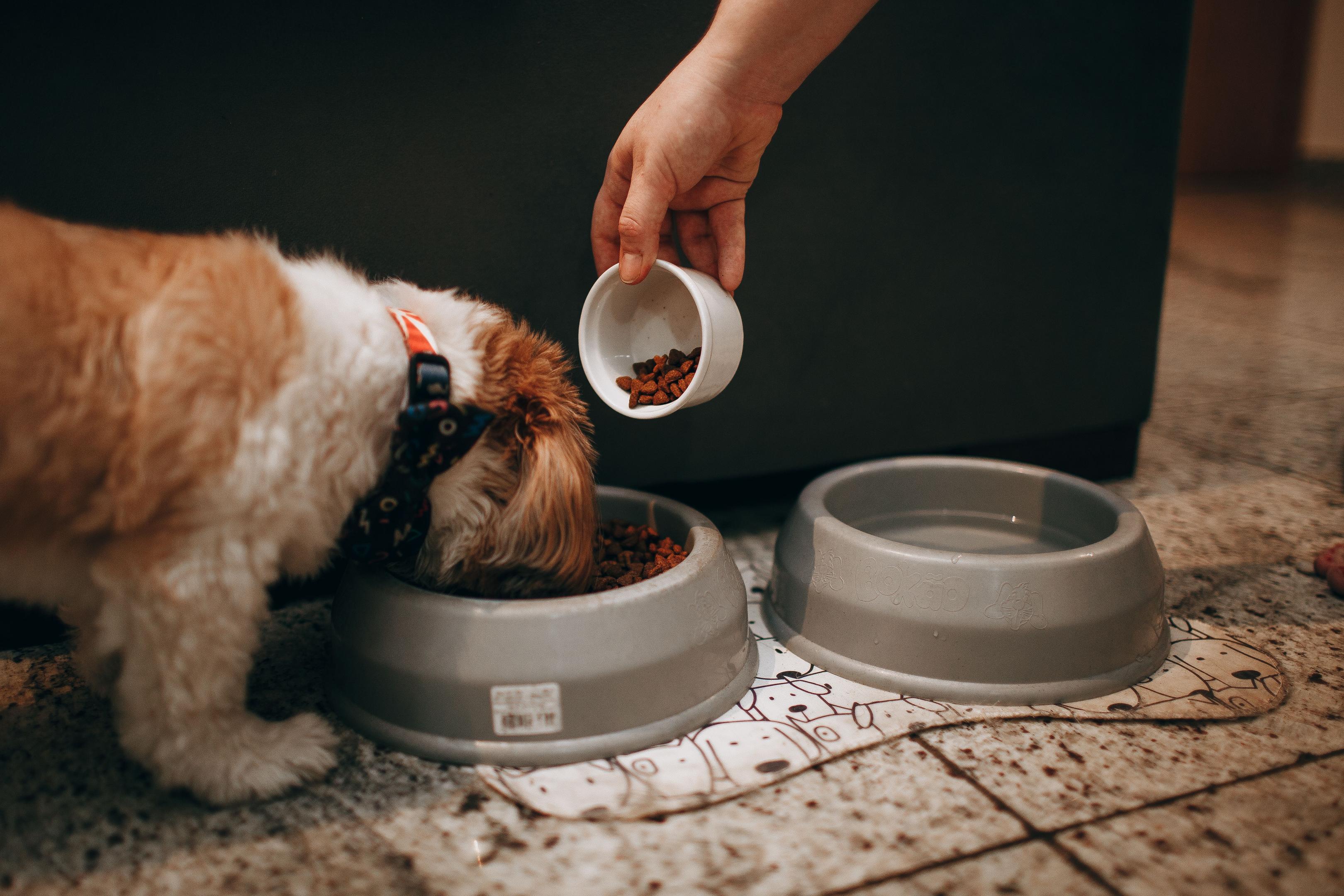
During an elimination diet trial, your dog is fed a diet containing ingredients they have not previously eaten, or a specially formulated hydrolyzed protein diet.
The diet must be followed extremely carefully.
That means avoiding:
-
Treats
-
Table scraps
-
Flavored medications
-
Chews
-
Dental treats
-
Other pets' food
-
Food used to administer medication
Even small amounts of another food can potentially interfere with the food trial.
What Is a Novel Protein Diet?
A novel protein diet contains a protein source your dog has not previously consumed, and these diets may rely on an unusual protein source when a dog has already been exposed to many common animal proteins.
For example, if a dog has regularly eaten chicken and beef, a veterinarian might choose a diet based on a less familiar protein and pair it with selected carbohydrate sources the dog has not eaten before.
The key is that the protein must actually be "novel" for that particular dog.
Simply choosing an unusual ingredient does not guarantee success. If your dog has previously eaten that protein in treats, canned food, table scraps, or another diet, it may not be a true novel protein for them.
What Is a Hydrolyzed Protein Diet?
Hydrolyzed diets use proteins that have been broken down into smaller components.
The goal is to make the protein less likely to trigger an immune response.
Veterinary therapeutic diets containing hydrolyzed proteins are commonly used when a food allergy is suspected, particularly when a dog's previous diet history is complicated or unknown.
Your veterinarian can help determine whether a novel-protein or hydrolyzed diet is more appropriate.
Why an Elimination Diet Must Be Strict
One of the biggest reasons food allergy trials fail is accidental exposure to other foods or cross contamination.
It can be tempting to give your dog "just one" treat or a small piece of food from your plate. Unfortunately, doing so can make it difficult to determine whether the diet is working.
Everyone in the household needs to understand the rules.
If children, relatives, pet sitters, or other caregivers feed the dog, they should know exactly what the dog is allowed to eat.
Some medications and supplements may also contain flavorings or animal derived ingredients, so ask your veterinarian before giving anything outside the prescribed diet, and prevent cross contamination from treats, shared bowls, countertops, or other pets' food during the trial (Rosser, 1993).
How Long Does It Take to See Improvement?
Food allergy trials generally need to continue for several weeks.
Some dogs show improvement relatively quickly, particularly when gastrointestinal symptoms are involved. Skin related symptoms can take longer because inflammation and secondary infections may need time to resolve.
Your veterinarian may recommend continuing the trial for an appropriate period before determining whether it has been successful.
If your dog's symptoms improve significantly while eating the elimination diet, your veterinarian may recommend a dietary challenge.
This involves reintroducing the original food or suspected ingredient to see whether the symptoms return.
A return of symptoms following reintroduction provides stronger evidence that the ingredient was responsible.
Why Switching Foods Randomly Can Make Diagnosis Harder
When a dog is itchy or has digestive problems, it is natural for an owner to try several different foods.
However, constantly changing diets can make it much harder to determine what your dog is actually reacting to.
For example, imagine a dog eats chicken based food, then develops itching. You switch to beef. The itching continues, so you switch to lamb. Later, you try fish.
At that point, your veterinarian may have difficulty determining which ingredients your dog has actually been exposed to.
A structured elimination diet is much more useful than repeatedly changing foods without a plan (Kennis, 2006).
Treatment for Food Allergies
Once a food allergy has been identified, the primary treatment is avoiding the offending allergen and any offending foods that contain it.
Fortunately, many dogs can live very comfortably once their allergen is identified and eliminated.
Your veterinarian may recommend an appropriate diet or help you select a long-term option, such as a hypoallergenic diet, limited ingredient diet, or another special diet, depending on your dog's allergies (Verlinden et al., 2006).
If your dog has developed secondary skin or ear infections, those infections may also require treatment.
Depending on your dog's symptoms, treatment could include medications or topical therapies prescribed by your veterinarian.
The goal is not simply to stop the itching temporarily. It is to control the underlying problem and prevent repeated flare-ups, and in difficult cases, a veterinary nutritionist can help tailor care so a well-chosen diet improves your dog's life.
Can Dogs Outgrow Food Allergies?
Food allergies are generally considered a long term condition.
Once an ingredient has been identified as a trigger, continued avoidance is usually recommended.
Some dogs may experience significant improvement after the offending ingredient is removed, but that does not necessarily mean the allergy has disappeared.
Accidental exposure can result in symptoms returning.
For this reason, reading ingredient labels and communicating your dog's dietary restrictions to everyone who cares for them is important.
What About Grain Free Dog Food?
Food allergies are sometimes associated with grain free diets because owners may assume that grains are common allergens.
However, dogs can be allergic to many different ingredients, and grains are not automatically responsible for allergic reactions.
In fact, an individual dog may be allergic to an animal protein rather than a grain.
Choosing a grain free food simply because your dog is itchy is therefore not a reliable way to diagnose or treat a food allergy.
A veterinarian guided elimination diet is a much better approach.
Can Food Allergies Be Prevented?
There is no guaranteed way to prevent food allergies.
They appear to involve a combination of immune response, genetics, and exposure.
What owners can do is pay attention to changes in their dog's skin, ears, digestion, and overall health.
Keeping a record of what your dog eats can also be helpful if symptoms develop. Include their primary food, treats, dental chews, supplements, medications, and table foods.
This information can make it easier for your veterinarian to identify patterns.
When Should You See a Veterinarian?
If your dog has persistent itching, recurring ear infections, chronic paw licking, repeated skin infections, vomiting, diarrhea, or other unexplained symptoms, it is worth scheduling a veterinary examination.
Seek veterinary attention promptly if symptoms are severe, your dog is vomiting repeatedly, has significant diarrhea, appears weak or painful, refuses food or water, or develops facial swelling or difficulty breathing.
Severe allergic reactions can be emergencies.
Fortunately, the classic chronic food allergy in dogs is usually much more subtle than a sudden, life-threatening allergic reaction. It often develops as a pattern of recurring skin or digestive problems rather than an immediate dramatic reaction after eating.

Living With a Dog Who Has a Food Allergy
Once your dog's allergen has been identified, managing the condition becomes a matter of consistency, and long term success depends on controlling your pet's diet.
Make sure everyone who feeds your dog understands what they can and cannot eat. Keep approved treats available so your dog does not feel left out when other pets receive treats.
You may also want to keep a written list of your dog's food triggers.
If your dog attends daycare, boarding facilities, grooming appointments, or stays with a pet sitter, communicate their dietary restrictions clearly.
It is also important to remember that food allergies do not mean your dog has to have a boring diet. With veterinary guidance, there are many options for nutritionally complete diets and appropriate treats, including some pet food choices marketed for sensitivities that are retail pet foods, while your vet can help assess what fits your dog based on food science rather than marketing alone.
Keep in mind
Food allergies can be frustrating for both dogs and their owners, particularly because the symptoms often resemble other common conditions.
Persistent itching, paw licking, recurrent ear infections, skin infections, vomiting, and diarrhea can all have numerous causes. Food may be responsible in some dogs, and food allergic dogs may react to a specific food, but common food allergies are still less common than many owners assume(Verlinden et al., 2006).
The most reliable way to investigate a suspected food allergy is generally a carefully controlled elimination diet followed, when appropriate, by reintroduction of the previous diet or suspected ingredient, a structured method consistent with guidance from organizations such as the American Veterinary Medical Association.
Avoid making repeated diet changes without veterinary guidance. A structured approach can save time, reduce frustration, and help identify the real cause of your dog's symptoms.
Once a food trigger is identified, avoiding that ingredient can often make a dramatic difference in a food allergic dog's comfort and quality of life by preventing ongoing adverse reactions. With the right diet, appropriate veterinary care, and careful attention to treats and other sources of food, dogs with food allergies can continue to enjoy happy, active lives.
This article is for educational purposes and is not a substitute for veterinary diagnosis or treatment. If your dog has persistent or severe symptoms, consult your veterinarian for an individualized evaluation and treatment plan.
References
Carlotti, D. N., Remy, I., & Prost, C. (1990). Food allergy in dogs and cats. A review and report of 43 cases. Veterinary Dermatology, 1(2), 55-62.
Gaschen, F. P., & Merchant, S. R. (2011). Adverse food reactions in dogs and cats. Veterinary Clinics: Small Animal Practice, 41(2), 361-379.
Harvey, R. G. (1993). Food allergy and dietary intolerance in dogs: a report of 25 cases. Journal of Small Animal Practice, 34(4), 175-179.
Kennis, R. A. (2006). Food allergies: update of pathogenesis, diagnoses, and management. Veterinary Clinics: Small Animal Practice, 36(1), 175-184.
Rosser, E. J. (1993). Diagnosis of food allergy in dogs. Journal of the American Veterinary Medical Association, 203(2), 259-262.
Verlinden, A., Hesta, M., Millet, S., & Janssens, G. P. J. (2006). Food allergy in dogs and cats: a review. Critical reviews in food science and nutrition, 46(3), 259-273.
Related Posts

Diabetes in Dogs and Cats
Diabetes mellitus is a common endocrine disease in dogs and cats. While a diabetes diagnosis can initially feel overwhelming, many diabetic pets can continue to enjoy a good quality of life with appropriate veterinary care and consistent...

How to compare mushroom supplements: Buddy Guard vs. Critical Immune Defense
This comparison is published by Petsmont, the maker of Buddy Guard on August 5th, 2026. Competitor information came from publicly available labels and manufacturer materials. TLDR: Summary Table Buddy Guard Critical Immune Defense ...

The Hyperthyroid Cat: A Complete Guide for Pet Owners
As cats grow older, they become more susceptible to certain age-related health conditions. Hyperthyroidism in cats is usually one of the most common endocrine disorders in senior cats. This is an overproduction of thyroid hormones that s...


Leave a comment