


Diabetes mellitus is a common endocrine disease in dogs and cats. While a diabetes diagnosis can initially feel overwhelming, many diabetic pets can continue to enjoy a good quality of life with appropriate veterinary care and consistent management. Understanding the early warning signs, how diabetes affects the body, and what treatment involves can help pet parents recognize problems sooner and work more effectively with their veterinarian.
Diabetes is not the same in dogs and cats. Dogs generally require lifelong insulin therapy, while some cats can achieve diabetic remission when the disease is recognized and managed appropriately. Cats can also develop diabetes because of insulin resistance associated with obesity and other underlying conditions.

What Is Diabetes Mellitus?
Diabetes mellitus occurs when the body cannot properly regulate blood glucose, or blood sugar. The hormone insulin plays a central role in this process (Rand, 2020).
After a pet eats, carbohydrates and other nutrients are broken down, and glucose enters the bloodstream. The pancreas normally produces insulin, which allows glucose to move from the bloodstream into cells where it can be used for energy (Rand, 2020).
When there is not enough insulin (or when the body's cells do not respond appropriately to it) glucose remains in the bloodstream instead of being efficiently used by the body's cells. This leads to persistently elevated blood glucose, known as hyperglycemia.
When blood glucose becomes sufficiently high, the kidneys begin excreting glucose into the urine. The glucose draws water with it, increasing urine production. This is why excessive thirst and urination are among the most recognizable signs of diabetes.
Diabetes is a chronic condition, but it is manageable. The goal of treatment is generally to control the clinical signs of diabetes while avoiding dangerously low blood sugar, or hypoglycemia.
Signs of Diabetes in Dogs and Cats
One of the challenges with diabetes mellitus is that the signs can develop gradually. Pet owners may initially assume that their dog or cat is simply getting older, drinking more because of warmer weather, or losing weight because of a change in appetite.
Common signs include:
-
Increased thirst
-
Increased urination
-
Increased hunger
-
Unexplained weight loss
-
Weakness or lethargy
-
Changes in appetite
-
Recurrent infections
-
Changes in body condition
-
Cataracts in dogs
-
Difficulty walking or weakness in the hind legs in some cats
The classic combination of increased thirst, increased urination, increased appetite, and weight loss is particularly important to recognize, and increased urination weight loss can be an early clue in pet diabetes (Rand, 2020).
Insulin is produced by the pancreas and helps regulate blood sugar by allowing the body's tissues to absorb glucose. When insulin is inadequate or ineffective, glucose accumulates in the bloodstream, leading to high blood sugar and excess glucose spilling into the urine, which is why urine tests can help confirm the problem in diabetic patients. A diabetic pet may eat normally (or even seem constantly hungry) while continuing to lose weight, and proper treatment helps limit complications such as cataract formation (Hoenig, 2002).
Excessive Thirst and Urination
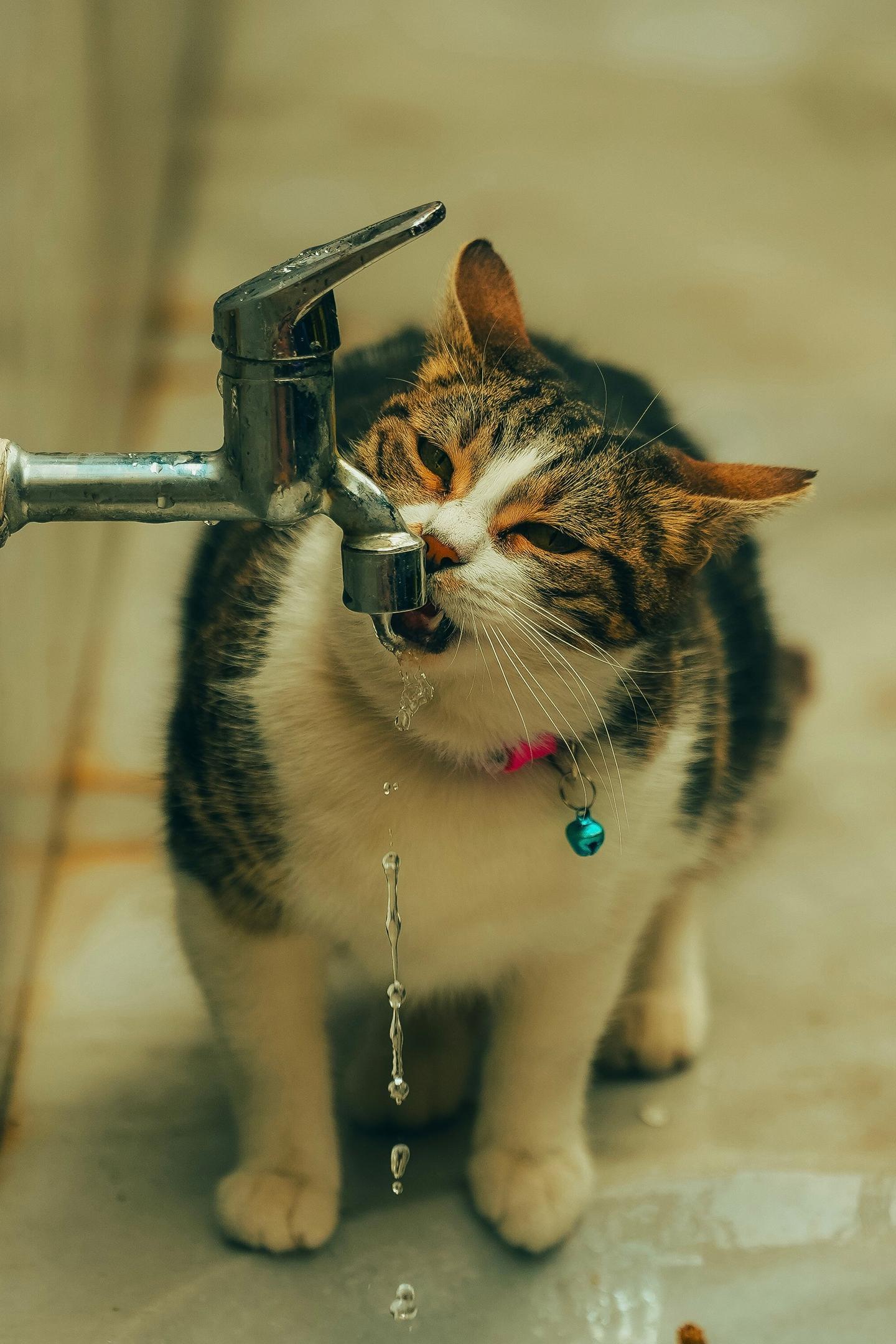
If your pet suddenly begins emptying the water bowl more frequently or needs to go outside much more often, diabetes is one possible explanation.
However, diabetes is not the only condition that causes increased thirst and urination. Kidney disease, urinary disorders, hormonal diseases, certain medications, and other medical problems can produce similar symptoms (Hoenig, 2002).
For this reason, persistent changes in drinking or urination should be evaluated by a veterinarian rather than assumed to be diabetes.
Weight Loss
Unexpected weight loss is another important warning sign.
A pet may continue eating well while losing weight because the body is unable to use glucose normally. The body begins relying more heavily on stored fat and other energy sources.
Unintentional weight loss should always be investigated, particularly in an older pet.
Increased Hunger
Some diabetic dogs and cats develop a noticeably increased appetite. Even though they are eating more, they may continue to lose weight.
Not every diabetic pet will have an increased appetite, however. Some animals, especially those that become seriously ill, may have a decreased appetite instead.
What Causes Diabetes in Dogs?
Diabetes in dogs is usually insulin dependent, and type 1 diabetes is the most common type in dogs because it is often linked to a significant loss or dysfunction of the pancreatic cells responsible for producing insulin. Pancreatitis and immune mediated destruction of insulin producing cells can contribute to the development of diabetes. Most pets with diabetes have insulin dependent diabetes, though a predisposing disease can still influence how it develops. Certain breeds also appear to have increased susceptibility (Hoenig, 2002).
Other factors and diseases can affect insulin regulation and increase the risk of diabetes, and insulin resistance occurs in dogs with hyperadrenocorticism.
Female dogs that have not been spayed can also experience hormonal influences that make diabetes more difficult to control. For diabetic female dogs, veterinarians commonly recommend spaying as part of diabetes management when medically appropriate.
Importantly, diabetes can occur in dogs of many breeds and sizes. While some breeds appear predisposed, any dog can develop the disease.
What Causes Diabetes in Cats?
Diabetes in cats has some important differences from diabetes in dogs.
Feline diabetes is frequently associated with insulin resistance and is often described as type II diabetes, a non insulin dependent form rather than an insulin dependent disease. Obesity is a major risk factor, and other conditions (including certain hormonal disorders and pancreatic disease) can contribute to the development of non insulin dependent diabetes.
In cats, insulin resistance can place increased demands on the pancreatic beta cells that produce insulin. Over time, these cells may become dysfunctional, contributing to persistent diabetes. Cats with diabetes often have amyloid deposits in the islets, which are associated with ongoing beta-cell damage as diabetes mellitus progresses.
This is one reason maintaining a healthy body weight is so important for cats.
The good news is that feline diabetes can sometimes go into remission. Early diagnosis, appropriate treatment, dietary management with a high protein, low carbohydrate approach for many cats, and addressing underlying conditions can improve the chances of remission in appropriate patients. In some cases, a low carbohydrate diet also supports glycemic control (Hoenig, 2002).
How Is Diabetes Diagnosed?
A veterinarian does not diagnose diabetes based on one symptom alone.
Diagnosis generally involves bloodwork and urine tests to confirm high blood sugar along with glucose in the urine; normal blood glucose in dogs and cats is generally about 75–120 mg/dL, so persistent elevations above that range are concerning. A physical examination and laboratory testing are important for confirming diabetes and identifying other conditions that may be affecting the pet.
Blood and urine testing may also help veterinarians evaluate the pet's overall health and look for complications or concurrent diseases.

Stress Hyperglycemia in Cats
Cats present a particular diagnostic challenge because visiting the veterinarian can cause a temporary increase in blood glucose.
A frightened or stressed cat may have significantly elevated blood glucose during a veterinary visit even when it does not actually have diabetes. This is known as stress induced hyperglycemia (Rand, 2005).
Because of this, veterinarians may use additional testing, repeat blood or urine testing, and measurements such as fructosamine to help distinguish persistent diabetes from temporary stress related elevations.
This is an important reason that pet parents should not attempt to diagnose diabetes based on a single elevated blood glucose result.
Treating Diabetes in Dogs
Insulin is the cornerstone of treatment for most dogs with clinical diabetes. Dogs generally require insulin shots on a long term basis, and treatment needs to be tailored to the individual patient.
Your veterinarian will determine the appropriate insulin type and dose and establish a monitoring schedule. The insulin dose is individualized, starting from an initial dose and adjusted over time based on monitoring (Rucinsky et al., 2010).
Many diabetic dogs receive insulin twice daily, although treatment varies depending on the individual dog and the insulin formulation being used.
Diet is also an important part of diabetes management. Veterinarians may recommend a consistent feeding routine and a diet appropriate for the dog's individual needs. Foods containing large amounts of simple sugars are generally avoided, while high fiber diets and complex carbohydrates may be recommended for some diabetic dogs because they can help stabilize blood sugar levels (Rucinsky et al., 2010).
Consistency matters. Changes in food, meal timing, activity, illness, and insulin administration can all affect blood glucose.
Treating Diabetes in Cats
Insulin remains an important treatment option for feline diabetes, although some feline cases may also be managed with oral hypoglycemic agents in selected situations and treatment strategies for cats have evolved considerably.
Longer acting insulins such as glargine and protamine zinc insulin have traditionally been commonly used in diabetic cats, especially in cases of absolute insulin deficiency. In 2026, updated American Animal Hospital Association guidelines also reflect the growing role of newer treatment approaches, including SGLT2-inhibitor medications for appropriate feline patients, and in veterinary medicine these options may improve remission rates in some cats when appropriately selected by a veterinarian (Rand, 2005).
Because newer medications are not appropriate for every cat and can have important safety considerations, proper treatment decisions should always be made with a veterinarian.
Diet and weight management are also particularly important in feline diabetes, and a low carbohydrate diet is often part of management. For overweight cats, carefully managed weight loss can improve insulin sensitivity and overall metabolic health.

Can a Cat's Diabetes Go Into Remission?
One of the biggest differences between feline and canine diabetes is the possibility of remission.
Some cats can enter diabetic remission, meaning they no longer require insulin or other diabetes medication while maintaining appropriate blood glucose levels.
Remission is not guaranteed, and a cat that achieves remission can potentially become diabetic again. Early intervention and good glycemic control may improve the likelihood of remission in appropriate cats (Zini et al., 2010).
This is one reason early recognition and veterinary treatment are so important.
Monitoring a Diabetic Pet at Home
Successful diabetes management involves more than giving medication.
Pet owners are often active participants in home glucose monitoring because they see their animals every day. Changes in thirst, urination, appetite, weight, activity, and behavior can provide valuable information to the veterinary team.
Blood glucose monitoring may also be recommended. Depending on the patient and the veterinary team's approach, monitoring can involve a glucose curve, individual blood glucose measurements, urine glucose testing, fructosamine testing, or continuous glucose monitoring systems. A glucose curve helps interpret glucose readings through the day and can help detect subclinical hypoglycemia.
Continuous glucose monitoring technology can provide information about glucose trends over an extended period, and some systems measure glucose every 15 minutes as part of home glucose monitoring, which may reduce the need for repeated blood sampling in some patients. However, veterinary guidance is still essential when interpreting readings and adjusting treatment.
The goal is not necessarily to make blood glucose perfectly normal at every moment. Instead, treatment aims to control the pet's clinical signs while minimizing the risk of hypoglycemia.
Hypoglycemia: An Important Diabetes Emergency
One of the most serious potential complications of diabetes treatment is hypoglycemia, or dangerously low blood glucose.
Hypoglycemia can occur when a pet receives too much insulin relative to its needs. It can also occur if a diabetic pet receives insulin but does not eat normally or if its insulin requirements change (Qadri et al., 2015).
Signs can include:
-
Weakness
-
Trembling
-
Disorientation
-
Unusual behavior
-
Sleepiness
-
Difficulty walking
-
Seizures
-
Loss of consciousness
Hypoglycemia can become life threatening and requires immediate veterinary attention.
Pet parents should ask their veterinarian for specific instructions about what to do if they suspect their pet's blood sugar is too low. Insulin doses should never be increased, decreased, or stopped routinely without veterinary guidance.
Diabetic Ketoacidosis- A Serious Complication
Diabetes can sometimes progress to a dangerous condition called diabetic ketoacidosis, or DKA.
DKA occurs when the body cannot adequately use glucose for energy and, with insulin deficiency, begins breaking down fat into free fatty acids that are converted into ketones and contribute to ketoacidosis. It is a medical emergency and generally requires intensive veterinary treatment, including fluid therapy, insulin, and correction of electrolyte and other metabolic abnormalities (Qadri et al., 2015).
Warning signs can include severe lethargy, weakness, vomiting, dehydration, poor appetite, and a generally very sick appearance.
A diabetic pet that suddenly becomes extremely ill, stops eating, vomits repeatedly, or becomes weak should receive prompt veterinary attention.
Diabetes and Other Health Problems
Diabetic dogs and cats may be more susceptible to certain infections, including urinary and skin infections. Diabetes can also occur alongside other diseases that make glucose regulation more difficult.
This is why veterinary monitoring is so important.
In dogs, cataracts are a well recognized complication of diabetes and can develop as a result of prolonged changes associated with high blood glucose.
Cats may develop diabetic neuropathy, which can cause weakness or an abnormal gait, particularly involving the hind limbs.
Not every diabetic pet will develop these complications, and appropriate management can help reduce the risk of serious problems.
Can Diabetes Be Prevented?
Not every case of diabetes can be prevented. Some dogs and cats have underlying genetic, pancreatic, hormonal, or other factors that contribute to the disease.
However, maintaining a healthy body weight is one of the most important things pet parents can do to support metabolic health, particularly in cats.
Regular veterinary examinations can also help identify obesity, pancreatitis, hormonal disorders, and other conditions that may influence diabetes risk or complicate its management.
For cats especially, avoiding excessive weight gain can be an important part of reducing the risk of insulin resistance.
What Should Pet Parents Do If They Suspect Diabetes?
If your dog or cat is drinking more water, urinating more frequently, losing weight unexpectedly, or experiencing unusual changes in appetite, schedule a veterinary examination.
Do not wait for symptoms to become severe.
Many of the early signs of diabetes overlap with other diseases, so laboratory testing is necessary to determine what is actually happening. Early diagnosis can give your veterinarian more opportunities to control the disease and identify contributing conditions.
If your pet is diagnosed with diabetes, remember that you are not expected to become an expert overnight. Your veterinary team can teach pet owners how to administer insulin shots, establish a feeding routine, monitor your pet at home, recognize warning signs, and understand when a change requires veterinary attention.
Living Well With Diabetes
A diabetes diagnosis can sound frightening, but it does not automatically mean that a pet cannot have a happy and fulfilling life.
Diabetic pets can often continue enjoying walks, playtime, affection, and their normal family routines. The biggest adjustment is usually establishing consistency around meals, medication, monitoring, and veterinary appointments.
The key is to think of diabetes management as an ongoing partnership between you, your pet, and your veterinary team.
For dogs, diabetes is usually a lifelong condition requiring ongoing insulin treatment. For cats, remission may be possible in some cases (Rucinsky et al., 2010). In both species, successful management depends on individualized treatment, regular monitoring, appropriate nutrition, and careful attention to changes in your pet's health.
Most importantly, pet parents should not feel helpless after a diabetes diagnosis. With education and a good management plan, diabetes can often be controlled, allowing dogs and cats to continue living comfortable, active lives.

Conclusion
Diabetes is a serious disease, but it is also a manageable one. Knowing the warning signs (especially increased thirst, increased urination, increased hunger, and unexplained weight loss) can help pet parents seek veterinary care before complications develop.
If your pet has already been diagnosed, consistency is one of the most valuable tools you have. Follow your veterinarian's insulin and feeding instructions, keep track of changes in appetite, thirst, weight, and behavior, attend recommended monitoring appointments, and learn the warning signs of both uncontrolled diabetes and hypoglycemia.
With the right treatment and veterinary support, a diabetes diagnosis does not have to define your pet's life. It can simply become another part of their routine. With attentive care, many diabetic dogs and cats can continue to enjoy a wonderful quality of life.
References
Hoenig, M. (2002). Comparative aspects of diabetes mellitus in dogs and cats. Molecular and cellular endocrinology, 197(1-2), 221-229.
Qadri, K., Ganguly, S., Praveen, P. K., & Wakchaure, R. (2015). Diabetes mellitus in dogs and its associated complications: A review. Int. J. Rec. Biotech, 3(4), 18-22.
Rand, J. S. (2020). Diabetes mellitus in dogs and cats. Clinical small animal internal medicine, 93-102.
Rand, J. S., & Marshall, R. D. (2005). Diabetes mellitus in cats. Veterinary Clinics: Small Animal Practice, 35(1), 211-224.
Rucinsky, R., Cook, A., Haley, S., Nelson, R., Zoran, D. L., & Poundstone, M. (2010). AAHA diabetes management guidelines for dogs and cats. Journal of the American Animal Hospital Association, 46(3), 215-224.
Zini, E., Hafner, M., Osto, M., Franchini, M., Ackermann, M., Lutz, T. A., & Reusch, C. E. (2010). Predictors of clinical remission in cats with diabetes mellitus. Journal of veterinary internal medicine, 24(6), 1314-1321.
Related Posts

The Hyperthyroid Cat: A Complete Guide for Pet Owners
As cats grow older, they become more susceptible to certain age-related health conditions. Hyperthyroidism in cats is usually one of the most common endocrine disorders in senior cats. This is an overproduction of thyroid hormones that s...

Mast Cell Tumors in Dogs: Understanding One of the Most Common Skin Cancers
While many skin lumps turn out to be harmless fatty tumors or benign growths, others require prompt veterinary attention. One of the most common malignant skin tumors seen in dogs is the mast cell tumor (MCT). Mast cell tumors are often ...

New World Screwworm in the US
Screwworm is the larval stage of the New World screwworm fly, a parasite that lays eggs in wounds and whose maggots feed on living tissue, causing painful and sometimes life threatening infestations in pets and livestock. For decades, th...


Leave a comment