


Feline infectious peritonitis, commonly known as FIP, is one of the most serious infectious diseases affecting cats. For many years, an FIP diagnosis was considered almost universally fatal. Fortunately, our understanding of the disease has changed dramatically, and effective antiviral treatments have transformed the outlook for many cats with FIP.
FIP can be particularly challenging because it can affect cats in many different ways. Some cats develop fluid accumulation in the abdomen or chest, while others develop neurological or eye problems. The disease can also resemble many other conditions, making diagnosis difficult.
Understanding what causes FIP, recognizing its warning signs, and knowing when veterinary attention is needed can help cat owners seek treatment as early as possible.
What Is FIP?
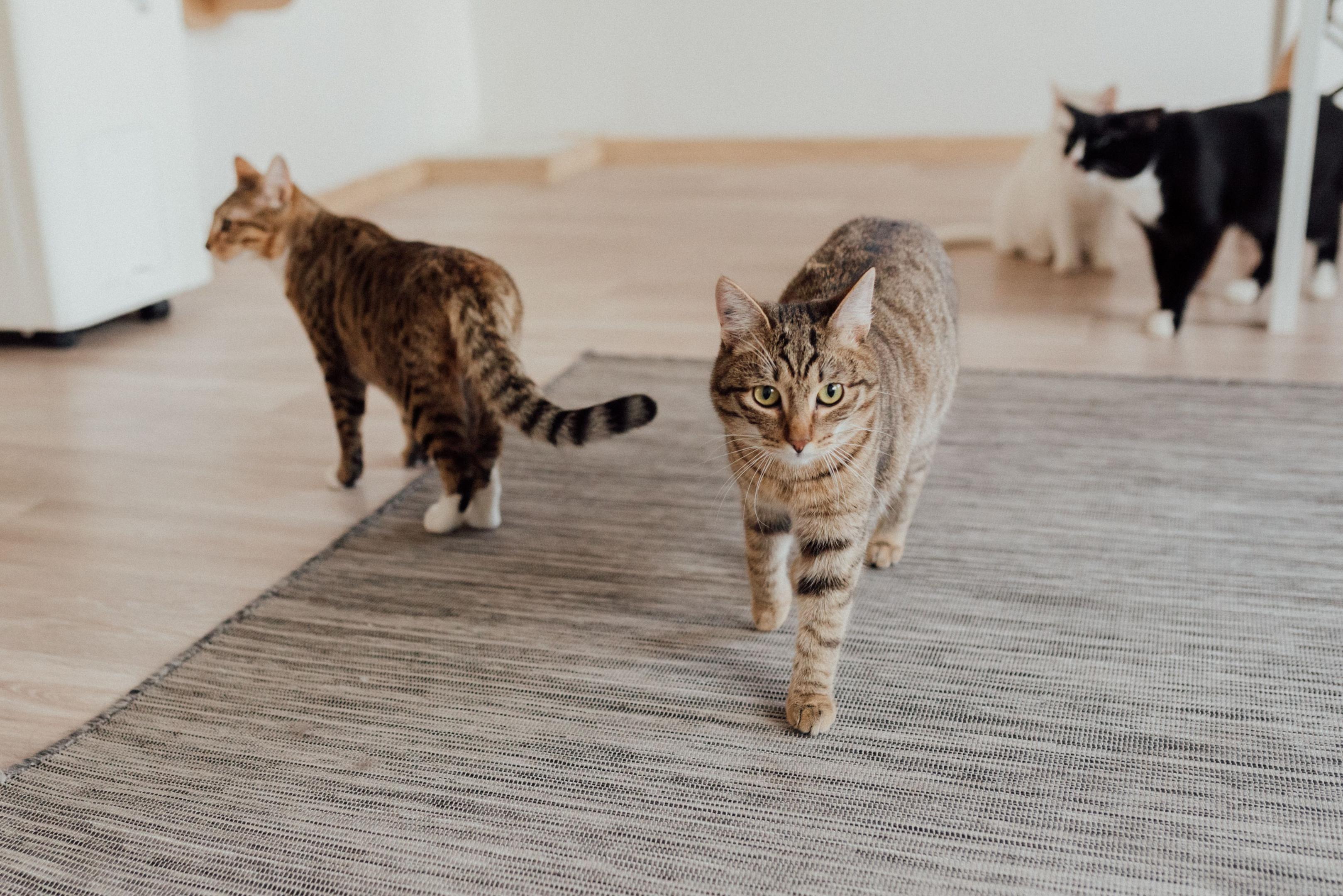
Feline infectious peritonitis is a disease caused by certain forms of feline coronavirus (FCoV).
Feline coronavirus is relatively common, particularly in environments where many cats live together. Most cats exposed to feline coronavirus do not develop FIP. Instead, the virus generally causes either no symptoms or relatively mild gastrointestinal disease (Hartmann, 2005).
In a small percentage of cats, however, the virus undergoes changes within the body that allow it to behave differently. This can lead to the development of FIP. This distinction is important: feline coronavirus infection and FIP are not the same thing. Most cats that encounter feline coronavirus will never develop FIP.
How Do Cats Get FIP?
Feline enteric coronavirus is primarily transmitted through contact with infected feces. This virus spreading is more likely when cats share litter boxes, contaminated surfaces, food areas, or grooming spaces.
The virus is particularly common in multi-cat households, shelters, catteries, and breeding facilities, and many infected cats show no obvious signs.
Cats generally become infected by ingesting the virus from contaminated environments. Many cats carry this intestinal coronavirus without illness, and after infection the virus may replicate in the intestinal tract and can be shed in feces (Hartmann, 2005).
In a small percentage of cats infected with this common viral infection, FIP develops when a mutated feline coronavirus arises within the body. Viral mutations, the cat's immune response, genetics, age, and other factors may all play a role.
Importantly, FIP itself is not generally considered to spread directly from cat to cat in the same way as the original intestinal coronavirus. The development of FIP appears to depend heavily on changes occurring within an individual cat and how that cat's immune system responds.
Which Cats Are Most at Risk?
Although any cat can potentially develop FIP, the disease is seen more frequently in certain populations.
Young cats are particularly susceptible. FIP is most commonly diagnosed in cats under two years of age, although older cats, including some middle-aged animals, can develop the disease as well. Many cats carry feline coronavirus without becoming ill, and only certain cats infected go on to developing FIP.
Risk may also be increased in:
-
Cats living in multi-cat environments, where infected cats may shed coronavirus in feces and the virus can spread more easily through shared litter boxes and living spaces
-
Shelter and rescue cats
-
Cats from breeding facilities
-
Cats experiencing significant stress
-
Cats with other illnesses or weakened immune systems
-
Cats recently undergoing major environmental changes
Shared living areas should be disinfected to reduce viral particles in multi-cat settings. Genetic susceptibility may also influence risk, with purebred cats affected more often in some studies.
Stress does not necessarily cause FIP on its own, but significant stress may affect immune function and potentially contribute to disease development in a cat already carrying feline coronavirus. Male cats may be diagnosed more often than female cats.

What Are the Signs of FIP?
One of the most frustrating aspects of FIP is that there is no single set of symptoms that occurs in every cat, and this viral disease tends to affect some cats more than others, including male cats more often than female cats.
This immune mediated disease is also an inflammatory disease, so a cat's clinical signs can vary widely depending on which parts of the cat's body are most affected. Common clinical signs include decreased appetite, weight loss, lethargy, fever, poor growth in kittens, depression, and changes in behavior.
Cats developing FIP are often quite young, with roughly 70% of cases occurring before 1.5 years of age.
As the disease progresses, more specific symptoms may develop. FIP is often broadly classified into effusive (wet) FIP and non-effusive (dry) FIP, although cats can have features of both forms (Hartmann, 2005).
Wet or Effusive FIP
FIP is a serious viral and inflammatory, immune mediated disease, and the cat's clinical signs can vary widely depending on which parts of the body are affected.
In the wet form, fluid accumulates within body cavities, and severe cases can involve profound loss of appetite and progressive organ failure. Fluid may collect in the abdomen, producing a swollen or distended, sometimes pot-bellied, appearance. This is sometimes referred to as "wet FIP." Abdominal fluid can cause the cat's belly to appear enlarged, although not every cat with abdominal fluid will have an obviously swollen abdomen. Fluid can also build up around the lungs in the chest cavity. This is called pleural effusion and can make breathing difficult.
Cats with significant chest fluid may develop rapid breathing, labored breathing, open-mouth breathing, weakness, and exercise intolerance. Difficulty breathing is an emergency and requires immediate veterinary attention.
Dry or Non-Effusive FIP
The dry form of FIP occurs when inflammatory lesions develop in organs rather than producing large amounts of fluid. The symptoms depend on which organs are affected. The kidneys, liver, lymph nodes, intestines, eyes, and central nervous system can all potentially be involved.
Neurological FIP can cause signs such as difficulty walking, poor coordination, tremors, seizures, abnormal behavior, weakness, and changes in balance
Ocular FIP can affect the eyes and may cause changes in eye color or appearance, inflammation inside the eye, cloudiness, abnormal pupil appearance, and vision problems. Some cats have both neurological and ocular involvement.
Fever Is an Important Warning Sign
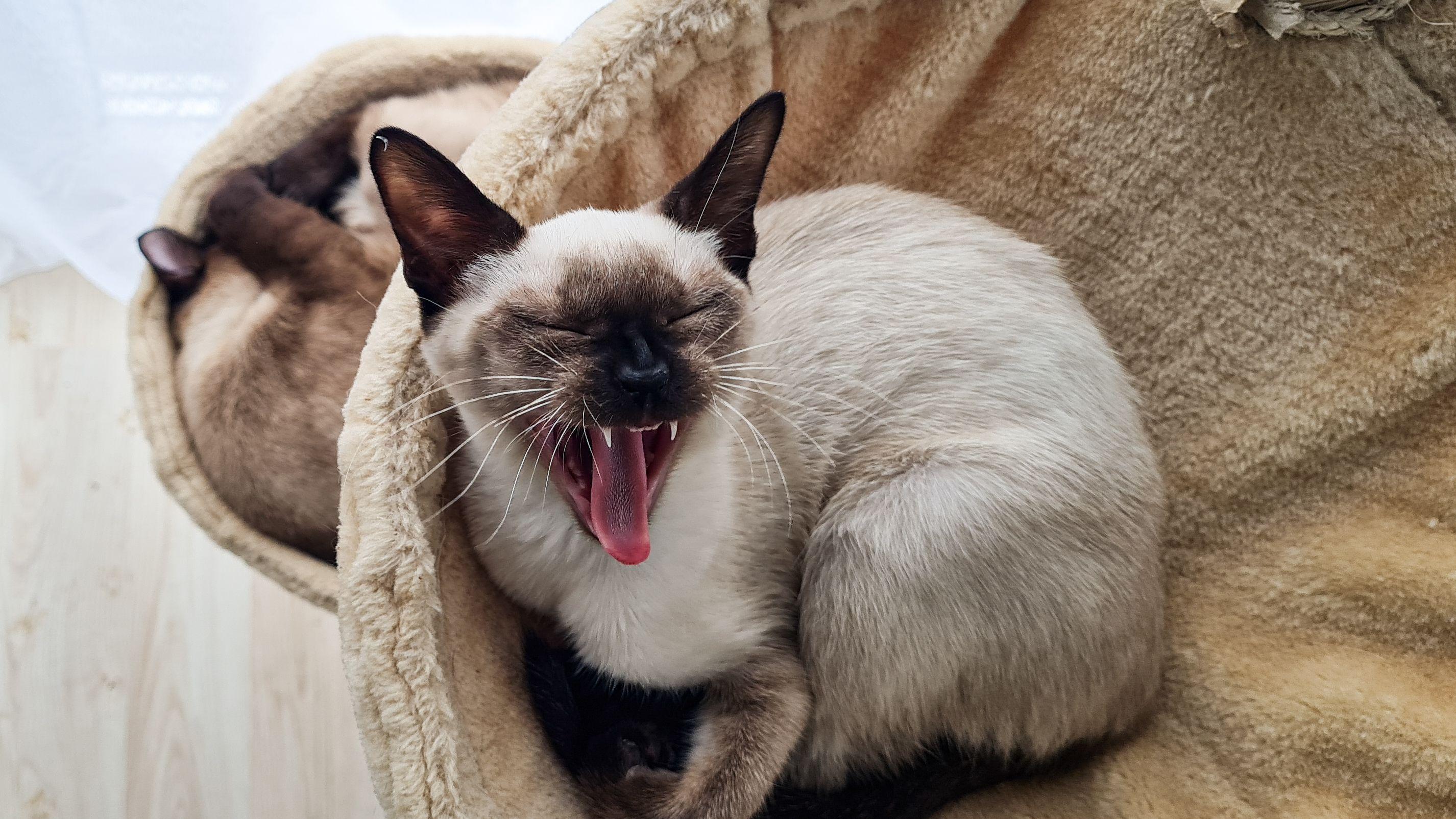
A persistent fever can be one of the early clues that something is wrong.
FIP associated fever may be persistent or recurrent and may not respond normally to antibiotics because the underlying problem is viral and inflammatory rather than a typical bacterial infection.
However, fever is not specific to FIP. Many infections and inflammatory diseases can cause fever, so it should never be used by itself to diagnose the disease.
How Is FIP Diagnosed?
Diagnosing FIP can be challenging because there is no single simple test that definitively identifies every case. Veterinarians generally combine the cat's history, physical examination, laboratory results, imaging findings, and sometimes specialized testing (Hartmann, 2005).
Bloodwork may reveal abnormalities such as increased globulin levels, low albumin levels, changes in liver enzymes, anemia, changes in white blood cell counts and alterations in kidney related values.
One laboratory finding that can be particularly helpful is the albumin to globulin ratio. A low ratio can increase suspicion for FIP when combined with other findings, although it cannot diagnose FIP by itself.
Imaging
Ultrasound and radiographs can provide important information.
Abdominal ultrasound may reveal abdominal fluid, enlarged lymph nodes, changes in the kidneys, changes in the liver and/or ntestinal abnormalities.
Chest radiographs or ultrasound may help identify fluid around the lungs.
Imaging can help veterinarians determine which organs are affected and identify areas that may be appropriate for further testing (Müller et al., 2023).
Testing Fluid
When a cat has abdominal or chest fluid, collecting a sample can be extremely useful.
The appearance and laboratory characteristics of the fluid can provide important clues. Additional testing, including molecular testing for feline coronavirus, may sometimes be performed on the fluid.
However, detecting feline coronavirus does not automatically mean that a cat has FIP. Test results must always be interpreted alongside the cat's clinical findings.
Tissue Testing
In some cases, examination of affected tissue can provide the strongest evidence for FIP infection.
Specialized laboratory techniques can identify coronavirus associated changes within affected tissues. Additional testing on fluid may include polymerase chain reaction testing. PCR tests can detect FCoV genetic material in fluid samples, but results still need to be interpreted alongside the full clinical picture, and these tests may be particularly useful in difficult or atypical cases.
Because FIP can look like many other diseases, veterinarians often need to approach diagnosis as a process of building evidence rather than relying on a single test.
Is FIP Contagious?
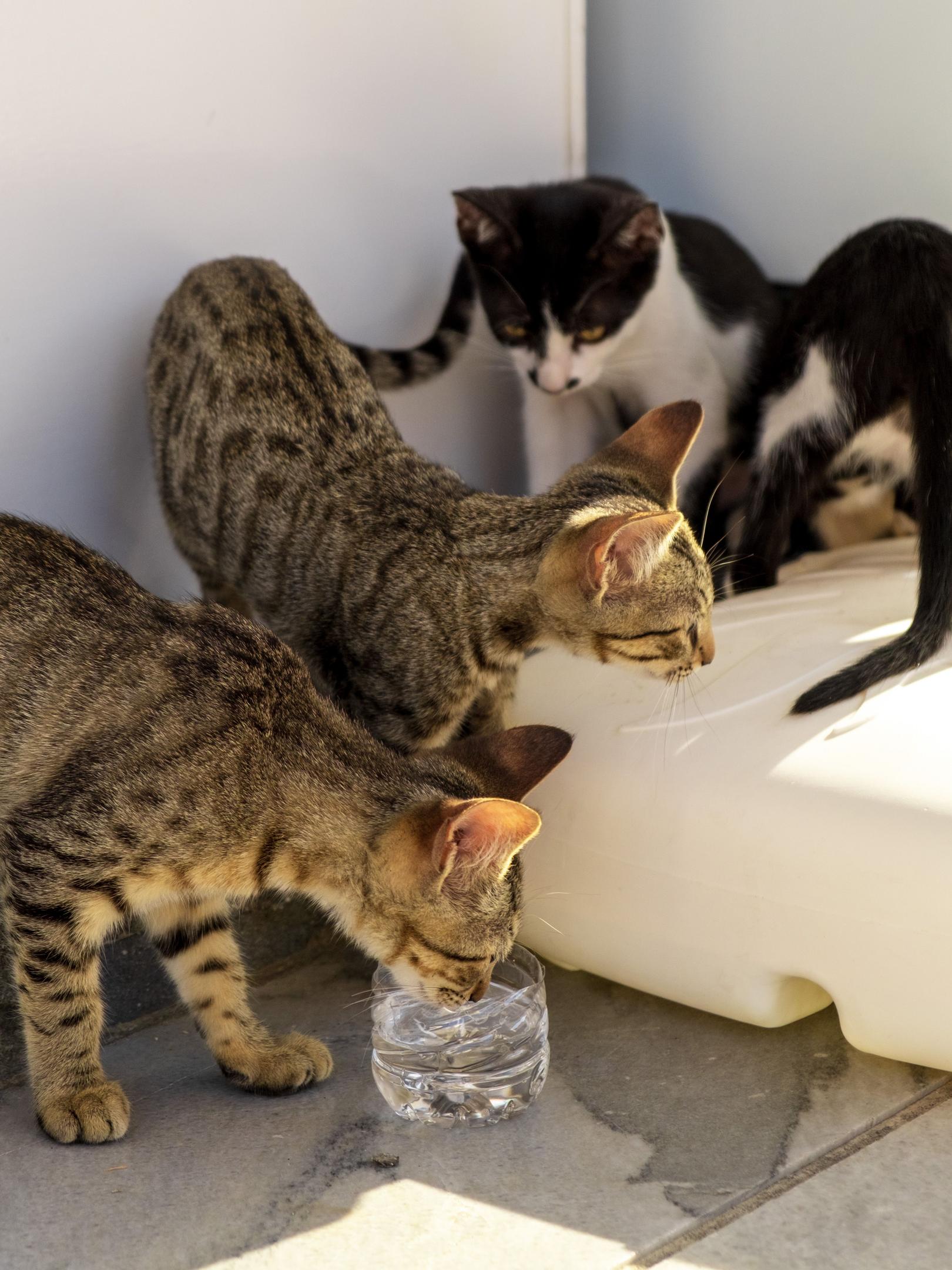
This is a common concern for owners with multiple cats.
Feline coronavirus is contagious and can spread between cats, particularly through fecal contamination. The strongest evidence for FIP infection often comes from tissue examination, and tissue based findings may be needed for a definitive diagnosis in difficult or atypical cases.
The development of FIP is generally associated with changes in the virus within an individual cat combined with that cat's immune response. Direct transmission of FIP from one cat to another is considered uncommon.
If one cat in a household develops FIP, other cats may have already been exposed to feline coronavirus. This does not mean that they will develop FIP.
Good litter box hygiene remains important for reducing coronavirus transmission.
Owners should scoop litter boxes frequently, clean litter boxes regularly, provide enough litter boxes for the number of cats in the household, keep food and water bowls away from litter boxes, reduce overcrowding when possible, wash hands after cleaning litter boxes and reduce unnecessary environmental stress.
A licensed FIP vaccine is available, but its effectiveness is considered limited. If you are considering an FIP vaccine, it is best to discuss the risks and likely benefits with your veterinarian.
Can FIP Be Treated?
This is where the outlook for cats with FIP has changed dramatically. Historically, FIP was considered almost uniformly fatal. Today, antiviral therapy has made recovery possible for many cats, and newer options in veterinary medicine continue to improve outcomes. One of the most important antiviral drugs studied for the FIP virus is GS-441524, a drug related to remdesivir. Antiviral treatment works by interfering with viral replication (Tasker et al., 2026).
FIP treatment protocols can vary depending on the cat's clinical form of FIP, severity, neurological involvement, and other factors.
Some cats may initially require hospitalization and supportive care, particularly if they are severely ill or having difficulty breathing.
Treatment may involve:
-
Antiviral medication
-
Fluid therapy when appropriate
-
Nutritional support
-
Appetite support
-
Treatment of secondary complications
-
Management of seizures or neurological signs when necessary
-
Monitoring bloodwork and clinical response
-
Anti-inflammatory support when needed to help treat FIP during stabilization
Because treatment protocols can change and availability differs between countries, owners should work closely with a veterinarian experienced in managing FIP, ideally one of the feline practitioners following current guidance.
What Is the Prognosis?
The prognosis for cats with FIP is no longer what it once was.
With appropriate antiviral therapy, many cats can achieve remission and return to a good quality of life. However, treatment success depends on factors such as how advanced the disease is, whether the nervous system is involved, how quickly treatment begins, and the cat's overall health.
Cats that are extremely sick at diagnosis may require intensive supportive care before they are stable enough to continue treatment at home. Neurological FIP can be more challenging to manage and may require different treatment strategies. Regular veterinary monitoring is essential throughout treatment (Hammond et al., 2024).
Can FIP Be Prevented?
There is no guaranteed way to prevent FIP because feline coronavirus is widespread and the development of FIP depends on multiple factors. However, reducing coronavirus exposure and environmental stress may help reduce risk. In multi-cat households, good hygiene is particularly important. Keeping litter boxes clean and providing sufficient litter boxes can reduce fecal contamination. A commonly recommended approach is to provide one litter box per cat, plus one additional box. Avoid placing litter boxes next to food and water bowls. Reducing overcrowding and providing cats with safe areas where they can retreat from other animals can also help minimize stress. New cats should be introduced gradually rather than suddenly disrupting the existing social environment (Addie et al., 2023).
What Should You Do If You Suspect FIP?
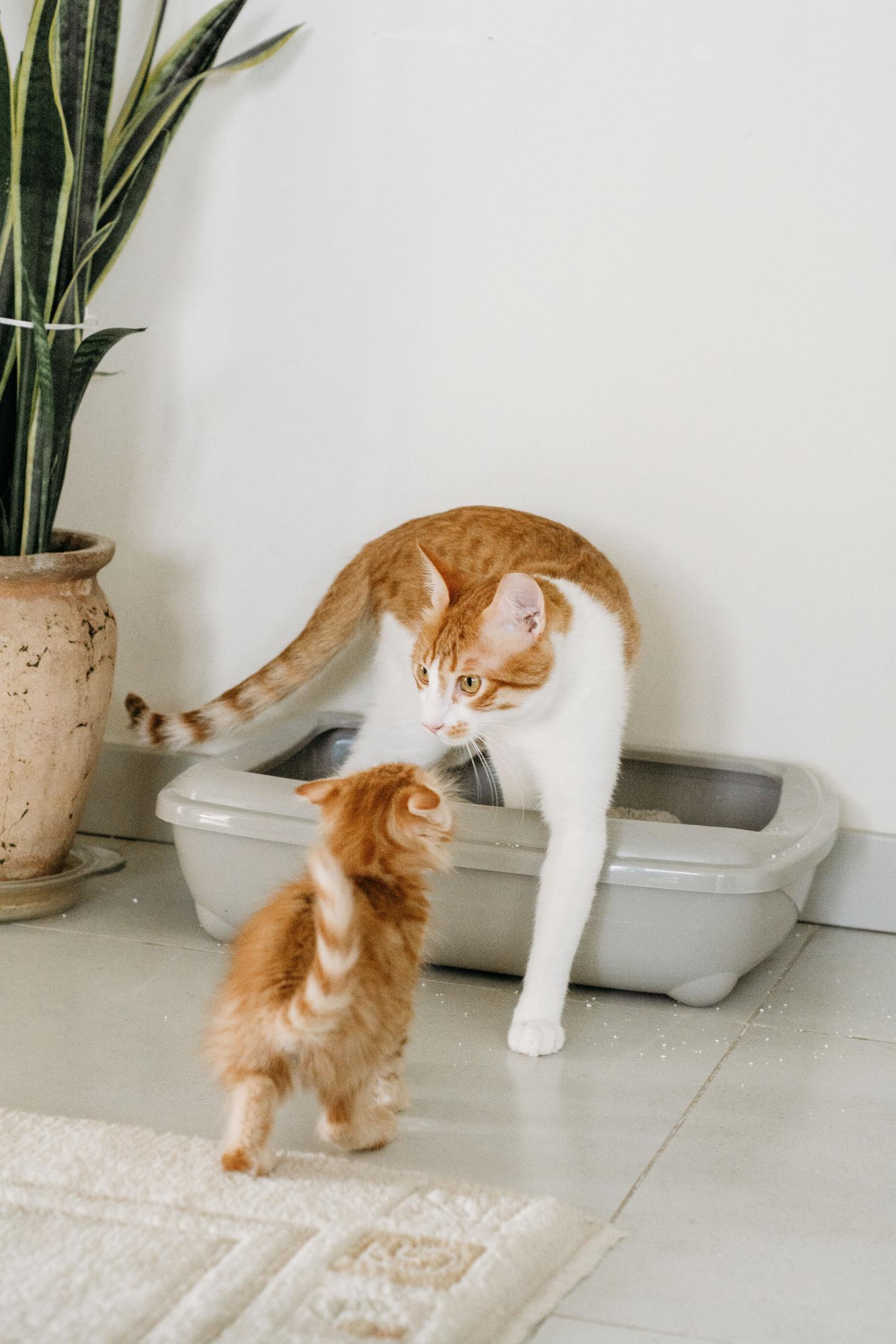
If your cat is young and develops persistent fever, weight loss, poor appetite, lethargy, abdominal enlargement, breathing difficulties, neurological abnormalities, or unexplained eye problems, contact your veterinarian. FIP can progress quickly, so delaying veterinary evaluation is not recommended. At the same time, it is important not to assume that every sick kitten or cat has FIP. Many other conditions can produce similar symptoms. Your veterinarian may recommend bloodwork, imaging, fluid analysis, infectious disease testing, or other diagnostic procedures to determine what is actually happening.
FIP and the Importance of Early Recognition
FIP can be frightening for cat owners, particularly because its symptoms can be vague during the early stages. A cat may initially seem simply tired, lose interest in food, or fail to gain weight normally. Later, more obvious signs may appear.
Early veterinary evaluation gives your veterinarian a better opportunity to identify abnormalities and determine whether FIP should be considered. The good news is that an FIP diagnosis no longer automatically means that a cat has no chance of survival. Modern antiviral therapy has fundamentally changed the conversation surrounding this disease.
A Final Word of Advice
Feline infectious peritonitis is a complex disease caused by a form of feline coronavirus infection that develops differently within an affected cat. It can affect cats of all ages but is particularly common in young cats.
FIP can appear in many forms. Some cats develop abdominal or chest fluid, while others develop primarily neurological, ocular, gastrointestinal, or organ-specific disease. Because the symptoms can overlap with many other illnesses, diagnosis often requires a combination of physical examination, bloodwork, imaging, and specialized testing.
Most importantly, FIP is no longer considered an automatically fatal diagnosis. Advances in antiviral treatment have dramatically improved outcomes, and many cats can recover when appropriate therapy is started and carefully monitored.
If your cat develops unexplained weight loss, persistent fever, appetite changes, abdominal swelling, breathing problems, neurological abnormalities, or eye changes, seek veterinary care promptly.
Early recognition, accurate diagnosis, and appropriate treatment can make an enormous difference in the outcome for cats affected by this once devastating disease.
References
Addie, D. D., Bellini, F., Covell-Ritchie, J., Crowe, B., Curran, S., Fosbery, M., ... & Jarrett, O. (2023). Stopping feline coronavirus shedding prevented feline infectious peritonitis. Viruses, 15(4), 818.
Hammond, R., Gunn-Moore, D., Parys, M., & Malbon, A. (2024). Feline infectious peritonitis diagnosis and prognosis: acute phase proteins and miRNA signatures. Edinburgh Research Archiv.
Hartmann, K. (2005). Feline infectious peritonitis. Veterinary Clinics: Small Animal Practice, 35(1), 39-79.
Müller, T. R., Penninck, D. G., Webster, C. R., & Conrado, F. O. (2023). Abdominal ultrasonographic findings of cats with feline infectious peritonitis: an update. Journal of feline medicine and surgery, 25(12), 1098612X231216000.
Tasker, S., Spiri, A. M., Hartmann, K., Addie, D. D., Belák, S., Bergmann, M., ... & Hosie, M. J. (2026). Update on Treatment of Feline Infectious Peritonitis: European Advisory Board on Cat Diseases (ABCD) Guidelines. Viruses, 18(4), 452.
Related Posts

Fruiting Body Mushroom Supplements for Dogs
Medicinal mushrooms have become an increasingly popular ingredient in supplements designed to support canine wellness. From turkey tail and reishi to lion’s mane and chaga, functional mushrooms contain naturally occurring compounds that ...

Dry Paws and Noses in Dogs and Cats – Is It Normal?
Dry paws in dogs are common and often caused by weather, low humidity, rough surfaces, or simple irritation, though ongoing dryness can also point to allergies, infections, hyperkeratosis, autoimmune disease, or another underlying health...

Itchy Dogs: Could a Food Allergy be the Culprit?
If your dog is constantly scratching, licking their paws, developing recurring ear infections, or experiencing digestive problems, you may wonder whether their food is to blame. Food allergies can affect dogs of any age, breed, or size, ...


Leave a comment