


As pet owners, we’re constantly looking to make sure our furry companions are in good shape. From their playful demeanor to how healthy their appetite is, every detail matters. So, when we discover an unexpected lump, bump, or fatty deposit on their body, it’s natural for a wave of concern to wash over us. Is it serious? What could it be? And what should we do?
This guide is for pet owners who want to understand what to do when they find a lump on their dog. Here, we’ll delve deep into the world of lipomas and other common growths found on pets. Our goal is to give you, the pet owner, the tools, accurate information, dispel common myths, and provide a clear understanding of when to be concerned and when to simply monitor. While we’ll focus significantly on lipomas due to their prevalence, we’ll also touch upon other non-harmful and malignant tumors to give you a well-rounded perspective.
Body lumps can range from benign fatty growths (lipomas) to serious conditions such as cancer.Early detection and proper evaluation of lumps can make a significant difference in your pet's health and peace of mind.

Why Do Lumps Appear?
Before we dive into specific types of growths, it’s crucial to understand why lumps and bumps can appear on our pets in the first place. The body is a complex biological system, and sometimes cells can grow abnormally, leading to formations we can feel or see. These growths can arise from various tissues, including:
-
Fat (Adipose Tissue): This is where lipomas (fatty lumps) originate.
-
Skin (Epidermis and Dermis): Many common skin tags, warts, cysts and other fleshy growths form here. Skin cysts are small, flesh-colored sacs under the skin filled with keratin and are usually nothing to worry about.
-
Hair Follicles: Blocked or infected hair follicles can create bumps. These are usually smaller like a pimple, though.
-
Connective Tissue: Fibromas can develop from this supporting tissue.
-
Glands: Sebaceous glands, for instance, can form cysts. These are larger in size and can be confused with lipomas.
-
Immune System Cells: Histiocytomas are a common example, especially in young dogs.
-
Blood Vessels: Hemangiomas are growths of blood vessels.
The vast majority of lumps and bumps found on pets are non-cancerous, but a small percentage can be malignant (cancerous). This is why a veterinarian’s evaluation is always the safest and most responsible course of action.
The Star of Our Show: The Lipoma
Understanding Fat Cells: What is a Lipoma?
A lipoma is a benign tumor composed of mature fat cells (adipocytes). Think of it as a collection of normal fat cells that have decided to clump together and grow in an organized, encapsulated mass. They are one of the most common types of subcutaneous (under the skin) tumors found in dogs (Pengram et al., 2020), and occasionally in cats. While they are technically tumors, the term “tumor” simply means a swelling or mass, and in the case of lipomas, it’s a non-invasive, non-spreading one.
Characteristics of a Lipoma:
When you feel a lump on your pet, how can you make an educated guess that it might be a lipoma? While only a veterinarian can definitively diagnose it, here are some common characteristics:
-
Soft and Movable: Lipomas typically feel doughy or slightly rubbery to the touch, much like a small, soft rubber ball or a bag of marbles. This can range from a squashy lump of more firm like rubber. They are usually not firmly attached to underlying muscle or bone and can often be moved around freely under the skin.
-
Well-Defined: They tend to have distinct borders, meaning you can usually feel where the lump begins and ends. It also tends to feel like a smooth lump.
-
Non-Painful: In most cases, lipomas are painless. Your pet won't typically react or show discomfort when you touch or press on them. If your pet shows pain, it’s a red flag that warrants immediate veterinary attention. A Painful lump as it could indicate inflammation, infection, or a different type of growth.
-
Slow-Growing: Lipomas usually grow slowly over months or even years. A lump that appears suddenly and grows very rapidly could be something else.
-
Location: While they can appear almost anywhere, common locations include the chest, abdomen, limbs (especially the armpits and inner thighs), and neck. They are almost always located just under the skin (subcutaneous).
-
Variable Size: Lipomas can range in size from a small pea or even a golf ball to a grapefruit or even larger.
What are the possible causes?
Age and breed play significant roles in the development of these masses. Older dogs are much more prone to developing lipomas as their cells undergo age-related changes (Huang et al., 2018). Furthermore, certain breeds like Labrador Retrievers, Golden Retrievers, and Doberman Pinschers have a higher genetic predisposition (Pegram et al., 2020).
While lipomas are not directly caused by obesity, being overweight can increase their incidence and make existing masses appear larger (Huang et al., 2018).

Are Lipomas Dangerous?
Generally, no. Lipomas are benign and do not metastasize (spread) to other parts of the body. However, a lipoma can become problematic if its location interferes with movement, such as in the armpit or near a joint (Rai & Chandrapuria, 2015). In rare cases, a malignant version called a liposarcoma can exist, which is why professional diagnosis is critical. These are aggressive cancers that can metastasize. They often feel firmer, more irregular, and can grow rapidly or be painful. This is precisely why veterinary diagnosis is critical.
There are situations where a lipoma can become problematic:
-
Location: A lipoma, even if benign, can cause issues if it grows in an inconvenient location. This can be anywhere movement is hindered or causes soreness when lying down.
-
Limbs/Joints: A large lipoma in an armpit, groin, or near a joint can interfere with movement, causing lameness or tenderness.
-
Pressure Points: If a lipoma grows on a pressure point (e.g., elbow, hip), it can rub, become irritated, or even ulcerate, leading to secondary lesion or even infection of the site.
-
Internal Organs (Rare): Very rarely, lipomas can develop internally (e.g., in the abdominal cavity). While still benign, a large internal lipoma could press on organs and cause issues. These are much less common than subcutaneous lipomas.
-
Size: Very large lipomas can become heavy and cumbersome, affecting your pet’s mobility and quality of life. They can also make bathing and grooming more challenging.
-
Quantity Multiple lipomas should also be checked individually.
When to See the Vet: The Golden Rule
Any new lump or bump you discover on your pet should be examined by a veterinarian. Period. Only a professional can rule out more serious conditions. Do not try to diagnose it yourself.
What Your Vet Will Do: The Diagnostic Process
When you take your pet to the vet for a lump, here’s what you can expect:
Physical Examination: The vet will thoroughly palpate (feel) the lump, assessing its size, consistency, mobility, temperature, and whether it causes your pet pain. They will also check other lymph nodes and perform a general physical exam.
Followed by any or all of the following:
-
Fine Needle Aspirate (FNA) with Cytology: This is the most common and often first diagnostic step for many lumps. A very fine needle (similar to a vaccination needle) is inserted into the lump, and a few cells are aspirated (drawn out) into the syringe. This is usually very quick and causes minimal pain, often requiring no sedation. Sometimes, an FNA may not yield enough diagnostic cells, or the cells collected might not be representative of the entire mass. In such cases, the result might be "non-diagnostic," and further steps might be needed.
-
Biopsy (Incisional or Excisional): If the FNA is inconclusive or if the vet has concerns about the lump's nature, a biopsy may be recommended. This is a very small sample taken directly from the mass which is usually done under anesthesia or sedation. This is the gold standard for evaluating a lipoma, and will positively confirm the presumptive diagnosis or identify other tissues.
-
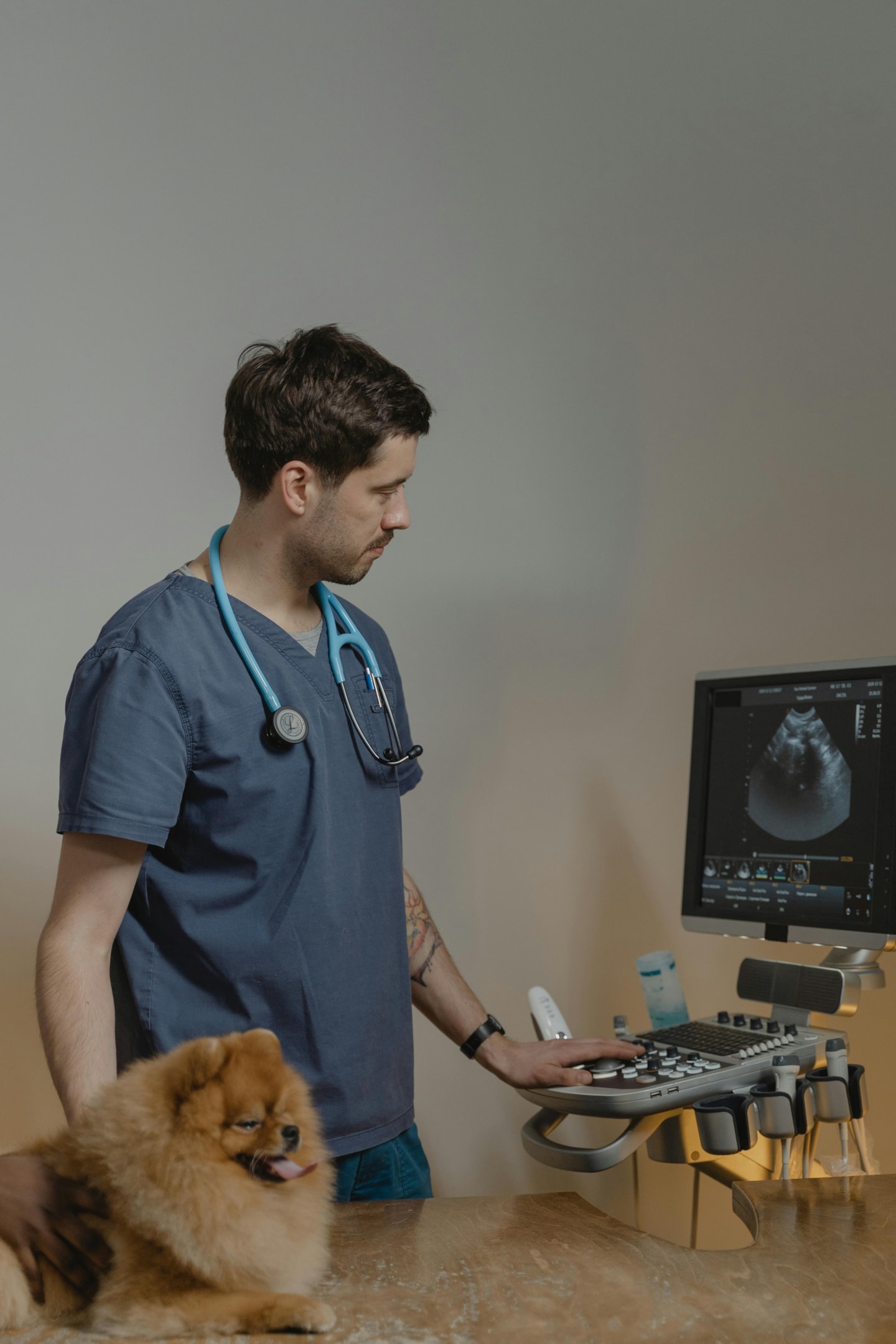
Imaging test (X-rays, Ultrasound): In rare cases, especially if a lump is large, deep-seated, or the vet suspects it might be attached to internal structures, imaging may be used to assess its extent and relationship to surrounding tissues (Volta et al., 2006).
Treatment Options for Lipomas
For many small, benign lipomas, the recommended treatment is simple monitoring. Your vet might suggest measuring the lump periodically at home or during routine check-ups to track its growth. However, surgical removal is often the best course of action if the mass is growing rapidly or affecting the animal's quality of life (Vigneshwaran et al., 2020). Surgical excision is generally curative and carries a good prognosis for geriatric patients (Vigneshwaran et al., 2020).
Surgical removal is often recommended in the following situations:
-
The lipoma is growing quickly.
-
The lipoma is becoming very large and heavy.
-
The lipoma interferes with your pet's mobility, comfort (e.g., rubbing, pressure sores), or bodily functions.
-
The lipoma is a cosmetic concern ( this applies to show animals mostly).
-
FNA was inconclusive.
-
A liposarcoma or other malignancy was diagnosed or strongly suspected, aggressive surgical removal with wide margins is crucial.
Non-Surgical Alternatives
While surgical excision remains the most effective treatment for symptomatic lipomas, some other approaches have been explored, though their efficacy can be variable:
-
Steroid Injections: In some human cases, steroid injections can reduce the size of lipomas. This is less commonly practiced in veterinary medicine for lipomas due to variable results and potential side effects of steroids (Lamagna et al., 2012).
-
Holistic/Natural Remedies: Many owners explore natural remedies for lipomas, like functional mushrooms. It's important to understand that research into the efficacy is still ongoing. While promising nonetheless, always discuss any holistic approaches with your veterinarian to ensure they are safe and won't interfere with conventional care.
Common Lumps and Bumps in Pets
While lipomas are prevalent, it’s important to be aware of other types of growths your pet might encounter. Remember, only a vet can differentiate them! Body lumps can range from benign fatty growths (lipomas) to serious conditions such as cancer.
Common Skin Growths: Skin tags and cysts
Sebaceous Cysts are smooth, round, non-malignant sacs that form when oil glands become blocked, often containing a cheesy or pasty keratin material. While usually not pathogenic, they can cause swelling or infected, requiring surgical removal if they become bothersome. Similarly, Skin Tags (Acrochordons) are stalk-like fleshy growths of fibrous tissue that typically appear where skin rubs together; they are worrisome unless they snag or bleed. Ganglion Cysts are also fluid-filled sacs, but these occur specifically near joints or tendons and may resolve on their own or require drainage if they interfere with movement.
Viral and Immune mediated growths
Warts (Viral Papillomas) are cauliflower-like rough growths caused by a virus, most common in young dogs, and often regress as the immune system matures. Histiocytomas are also common in young dogs; these are small, dome-shaped, rapidly growing benign tumors of immune cells that typically disappear on their own within a few months. Lymph Node Swelling represents a systemic immune response, appearing as firm lumps near the jaw or legs (near armpit or groin areas) while the body fights an infection. For allergic responses, Hives appear as sudden, itchy welts that may move around the body, while Atopic Dermatitis (Eczema) presents as small, itchy bumps that can ooze fluid, both usually requiring antihistamines or topical care.
Other tissue tumors
Fibromas and Dermatofibromas are benign, firm, slow-growing lumps of connective tissue, with the latter often appearing as reddish-brown bumps on the extremities. Basal Cell Tumors are solitary, well-defined masses frequently found on the head or neck; they are mostly benign but can occasionally be malignant. Seborrheic Keratoses are thick, rough, waxy-looking bumps that are typically painless and require no treatment. Moles are clusters of pigmented skin cells that are generally harmless but must be monitored for any changes in color, size, or structure.
Infections or inflammatory conditions
Abscesses are painful, warm pockets of pus caused by bacterial infections from wounds; unlike most tumors, they appear suddenly and require professional drainage and antibiotics. Folliculitis is a more localized infection of the hair follicles, appearing as small red pimples or pustules.
Vascular and malignancy concerns
Cherry Hemangiomas are tiny, bright red bumps or spots caused by an overgrowth of small blood vessels and are usually harmless unless irritated. The most significant concern in this category is the Mast Cell Tumor (MCT). These malignant tumors are highly variable in appearance—sometimes mimicking lipomas or itchy red welts—and can be aggressive. Because they can spread to internal organs, early diagnosis via Fine Needle Aspirate (FNA) is essential for a good prognosis (Pegram et al., 2020).
When to Be Concerned: Red Flags
While we’ve emphasized that most lumps are benign, it’s vital to know the warning signs that warrant immediate veterinary attention:
-
Rapid increase in size: A lump that appears suddenly and grows quickly. This is usually over the course of a couple of days.
-
More than one lipoma Many owners will assume that more growths popping up after a lipoma diagnosis mean more lipomas. This is not always the case and each mass should be examined individually.
-
-
Pain, Redness, Swelling, or Heat: Signs of inflammation or infection. Your pet reacts when a painful lump is touched, or they are constantly licking/chewing at it.
-
Ulceration or Bleeding: The skin over the lump is broken, weeping, or bleeding.
-
Fixed to Underlying Tissues: The lump doesn't move freely under the skin but feels attached to muscle or bone.
-
Irregular Shape/Firmness: Lumps that feel very hard, irregular, or have an unusual consistency.
-
Changes in Size or Appearance: A lump grows sometimes, but one that changes significantly in size, shape, or texture (rough growth texture instead of smooth lumps) over a short period is something to get examined.
-
Accompanying Systemic Signs: Your pet is also showing other signs of illness such as lethargy, loss of appetite, weight loss, vomiting, diarrhea or swollen glands (lymph nodes).
-
Other symptoms and signs Itching, scratching or any other behavior that draws attention to the site should be noted.

Preventative Measures and Early Detection
Can you prevent lumps and bumps? Not entirely, as genetics and aging play a significant role. However, you can enhance early detection:
-
Regular At-Home Checks: Make it a habit to perform a "lump check" whenever you're petting, grooming, or cuddling your pet. Run your hands over their entire body, paying close attention to common areas like the chest, abdomen, shoulders, legs, and neck.
-
Routine Veterinary Exams: Annual or bi-annual wellness exams are crucial. Your vet will perform a thorough physical examination and can often detect lumps that you might have missed.
-
Maintain a Healthy Weight: While not a direct preventative, maintaining a healthy weight for your pet makes it easier to feel lumps and may reduce the risk of certain conditions.
Living with Lipomas and most lumps: Monitoring and Management
If your vet diagnoses a lipoma and recommends monitoring, here’s how you can be proactive:
-
Document: Take a photo of the lipoma, especially if it’s large. Note its location and measure its size (length, width, and height) with a soft tape measure. Lumps last over time. If a bump dissapears, it's worth recording but possibly not something other than inflammation.
-
Keep a Journal: Record the date, size, and any observations (e.g., "feels softer," "seems larger," "no changes").
-
Regular Checks: Re-check the lipoma every month or as advised by your vet.
-
Report Changes: If you notice any significant changes in size, shape, consistency, or if your pet shows any discomfort, contact your vet immediately.

Be Vigilant, Not Panicked
Discovering a lump on your beloved pet can be frightening and make you worried, but armed with knowledge, you can approach the situation with confidence and responsibility. Most lipomas don't need treatment, but they can be removed if they are bothersome. Lipomas they can only be definitively diagnosed with veterinary intervention. It's important not to self diagnose the issue.
The most important takeaway from this is: any new lump or bump, regardless of how harmless it may seem, warrants a trip to the veterinarian. Early detection and accurate diagnosis are paramount, ensuring that if it’s something serious, it can be addressed promptly, and if it’s benign, you can have peace of mind. Your pet relies on you to be their advocate, and staying informed is the first step in providing them with a long, healthy, and happy life.
References
Huang, H. H., Chen, W. Y., & Chang, S. C. (2018). OBESE AND SENIOR FACTORS INCREASE THE INCIDENCE OF LIPOMA IN DOGS WITH NON-MALIGNANT SKIN MASS. Taiwan Veterinary Journal, 44(04), 197-204.
Lamagna, B., Greco, A., Guardascione, A., Navas, L., Ragozzino, M., Paciello, O., ... & Meomartino, L. (2012). Canine lipomas treated with steroid injections: clinical findings. PloS one, 7(11), e5
Pegram, C. L., Rutherford, L., Corah, C., Church, D. B., Brodbelt, D. C., & O'Neill, D. G. (2020). Clinical management of lipomas in dogs under primary care in the UK. The Veterinary Record, 187(10), e83.
Rai, S., & Chandrapuria, V. P. (2015). Surgical management of lipoma in a dog. Indian Journal of Canine Practice Volume, 7(1).
Subapriya, S., Pazhanivel, N., Gokulakrishnan, M., Nagarajan, B., Kavitha, S., Sumathi, D., & Vairamuthu, S. (2021). Incidence and pathology of skin tumours in dogs. The Pharma Innovation, 10(5), 620-629.
Vigneshwaran, S., Kathirvel, S., Jayakumar, K., Kumaresan, A., Vijayakumar, G., Sasikala, M., & Srinivasan, F. (2020). Surgical management lipoma in a geriatric dog. J Pharm Innov, 9(4), 205-6.
Volta, A., Bonazzi, M., Gnudi, G., Gazzola, M., & Bertoni, G. (2006). Ultrasonographic features of canine lipomas. Veterinary Radiology & Ultrasound, 47(6), 589-591.
Related Posts

New World Screwworm in the US
Screwworm is the larval stage of the New World screwworm fly, a parasite that lays eggs in wounds and whose maggots feed on living tissue, causing painful and sometimes life threatening infestations in pets and livestock. For decades, th...

Puppy Pathogens: Parvo and Distemper
Bringing home a new puppy is an exciting milestone filled with cuddles, playtime, and unforgettable memories. But parvovirus (parvo) and distemper are highly contagious, potentially fatal viral diseases in dogs (especially puppies) that ...

What Soccer Did for Dogs in Iceland
Without the tenacity of a soccer player, dogs could very well have disappeared from Iceland. This small country— a kind-hearted nation and so deserving in the recent Euro football tournament—no longer wanted dogs. Dogs were banned from t...


Leave a comment