


Helping Your Overweight Pets: A Complete Guide for Pet Parents
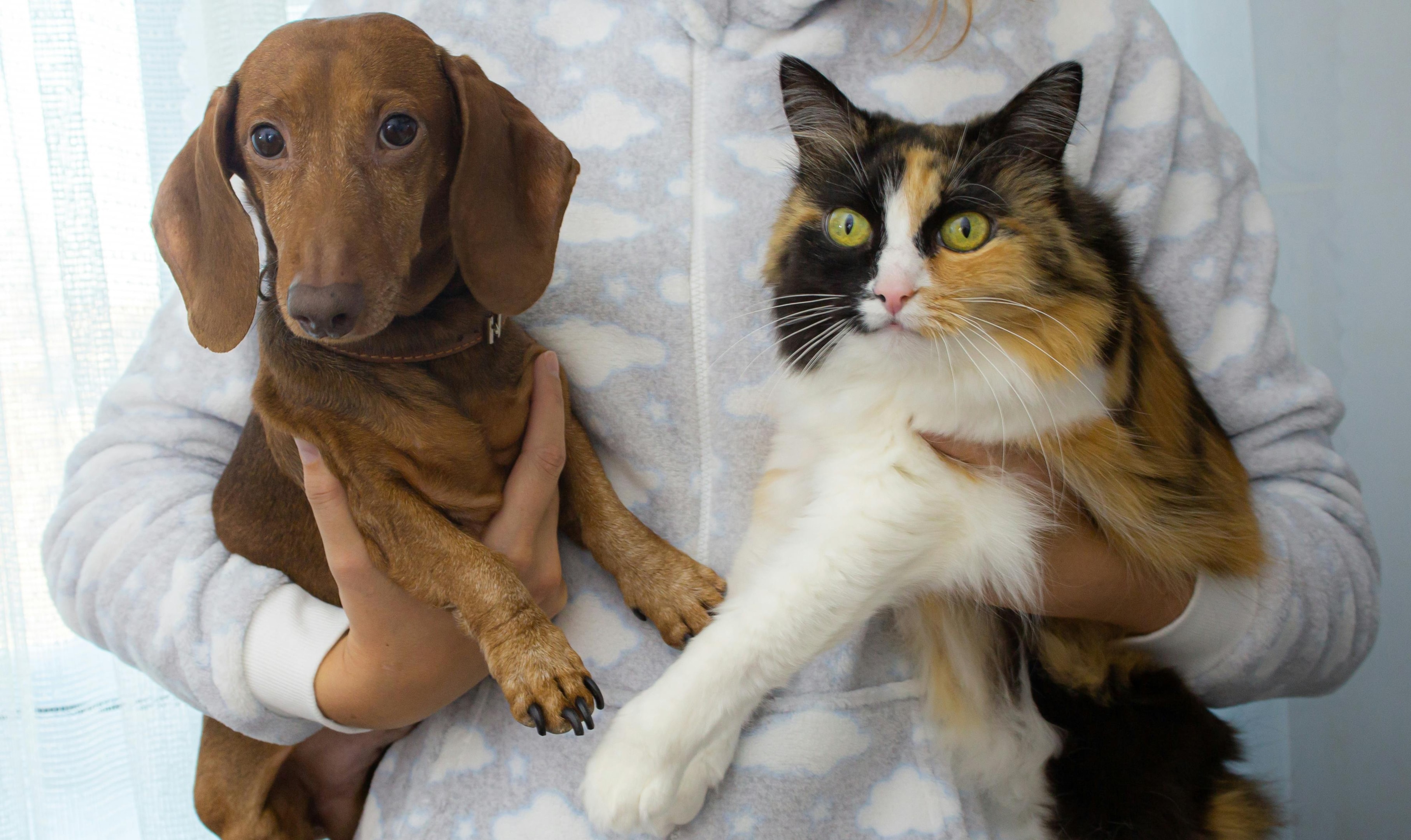
Introduction to Pet Health and Weight
Pet health is at the heart of responsible pet ownership, and one of the most important ways to support your dog or cat’s well-being is by maintaining a healthy weight. Pet obesity has become a widespread concern among companion animals, with excess body fat leading to a host of health problems that can shorten your pet’s life span and reduce their quality of life. According to the American Veterinary Medical Association, overweight dogs and cats are at a much higher risk for developing diabetes mellitus, joint disease, and other serious conditions that can impact their comfort and mobility (AVMA, 2026).
As a pet owner, it’s essential to keep a close eye on your pet’s body weight and body condition. Regularly measuring body weight and performing body condition assessments can help you catch early signs of weight gain before they become a bigger issue. Using a body condition score system allows you to track changes in your pet’s body fat and overall health over time. If you’re unsure where to start, a veterinary nutritionist can help you develop a personalized weight loss plan that includes a balanced diet and an exercise routine tailored to your pet’s needs. By taking these proactive steps, you can prevent obesity, support your pet’s health, and help them enjoy a longer, happier life.
Why Obesity in Dogs and Cats Matters More Than You Think
If you’ve recently noticed that your dog is looking a little rounder than usual, or your cat’s once-defined waistline has softened into furry pudge, you’re definitely not alone. Pet obesity is now one of the most common health issues veterinary clinics see, affecting more than 59% of household dogs and cats, according to the most recent studies. In North America, obesity is the most common preventable disease in dogs and affects 59% of dogs and 61% of cats. And while those extra cuddle rolls can look adorable, excess fat and weight places a significant strain on your pet’s long-term health. Overweight pets can lose weight and reclaim their energy, mobility, and happiness with the right care, consistency, and support from their families.
Many pet owners feel guilty or overwhelmed when told their pet has gained excess body fat. Maybe your dog gives you those irresistible pleading eyes for extra treats, or your cat insists on a refill the moment their food bowl isn’t perfectly topped off. A pet owner’s life gets busy, routines change, and weight can creep up without anyone really noticing. It might help to know that pet obesity almost always comes from a place of love. Treats, free-feeding, extra snacks, or simply wanting your pet to feel happy are among the most common reasons pets are overfed. Fat tissue in pets is biologically active, releasing hormones that drive inflammation and disrupt metabolism. Obesity is a chronic inflammatory condition that can shorten a dog's life and predispose it to diseases like diabetes mellitus, orthopedic conditions, or cancer. Your pet’s weight loss journey is about allowing your pet to live longer, move more comfortably, and avoid preventable diseases that can seriously impact their quality of life by making sure they’re at an ideal body weight. Obesity increases the risk for serious health issues, including arthritis, diabetes, cancer, and even injury. Studies show that being even moderately overweight can reduce life expectancy by nearly two years (Mattheeuws et al., 1984). Balancing your pet’s energy intake and expenditure is crucial in preventing obesity.
How Extra Weight Affects Your Pet’s Health
Weight reduction in pets is not just about numbers on a scale. A healthy body weight lowers a pet’s risk for diabetes, arthritis, kidney disease, respiratory disorders, and even certain types of cancer. Overweight dogs and cats also tend to slow down earlier in life because the extra weight puts added stress on joints, muscles, and internal organs. Some owners may not even realize how much the weight has been affecting their pet until those first pounds come off and their dog starts running again or their cat begins jumping up on furniture they haven’t attempted in years. When pets feel better physically, they also tend to engage more socially and emotionally. A healthier weight often translates to happier, more interactive behavior.

Why Pets Gain Weight: Understanding the Root Causes
Understanding how your pet gained weight is the first step to reversing the trend. Many pets consume more calories than they burn without their owners realizing it. Managing your pet's energy intake and ensuring it is balanced with their energy expenditure is crucial to preventing and addressing overweight pets. This can happen for several reasons. One of the most common is overfeeding, whether from an oversized food scoop, inaccurate measurement, or refilling food bowls too often throughout the day. Treats can also play a big role. A single dog biscuit or a spoonful of peanut butter may not seem like much, but each treat adds calories quickly. In pets, those calories count a lot more than they do in humans. For example, a small dog may only need 300 to 500 calories per day total. The caloric equivalent of one human cookie could amount to more than 25% of that dog’s daily needs.
Another factor for pet obesity is decreased activity. Indoor cats, in particular, live much more sedentary lifestyles than their feline instincts biologically expect. Once active dogs may slow down after spay/neuter surgery, aging, or simply changes in household dynamics. Pets fed all life stages diets without portion control may also consume more nutrients than necessary, especially if they are eating calorie dense foods. In multi pet homes, food stealing or shared feeding areas can lead to unintended overeating and changes in body weight. Understanding which of these elements come into play can help you design a strategic, sustainable plan for your pet’s weight-loss journey.
Recent research has also shown that the gut microbiome composition is linked to obesity in pets, with differences observed between obese and lean animals (Kieler et al., 2017; Kukirik and Demirel, 2024).
Getting a Veterinary Assessment: Body Condition Assessment and Body Condition Score System
Before beginning any weight-loss plan, the most important step is getting an accurate assessment from your veterinarian. A quick exam allows the vet to rule out medical contributors to weight gain, such as hypothyroidism, Cushing’s disease, orthopedic pain that reduces mobility, or medication side effects. They can also evaluate your pet, and explain obesity comorbidity risks like diabetes mellitus. Veterinary practices often use a body condition scoring system, typically on a scale of 1-5 or 1-9, to assess a pet's body condition. Your vet will also evaluate your pet’s body condition score, which is a hands-on assessment that looks at rib coverage (if your cat or dog’s ribs are visible), abdominal tuck, waist definition, and overall body fat tissue deposits. It will assess body composition rather than just a cat or dog’s weight (German, 2006). Body weight isn’t everything, and knowing where your pet stands allows you to set realistic goals, from losing a few pounds to achieving a more substantial transformation. Even losing as little as 5%–10% of body weight can dramatically improve your pet’s health.
Body condition score is a scale (usually graded 1-5 or 1-9) where the higher the companion animal’s body condition score falls, the more overweight the pet is. The midpoint on either body condition score system is the gold standard for ideal body weight and considered a healthy body condition. Canine body condition score assesses the dog’s body condition slightly slimmer than the feline counterpart (4/9 for pet dogs being the best while cats it’s 5/9). A dog's body condition can also be assessed at home by feeling the dog's ribs and comparing the fat coverage to the feel of different areas of your hand. Validated body condition charts are available for both veterinarians and owners to use in assessing pet body condition (Webb et al., 2020).
Measuring a dog's weight at home can also be a challenge with some pets. Your vet can give you ideas about how to do this. A great tip is weighing yourself with and without your pet and subtracting your weight from the combined weight. This will only be doable with smaller animals, though. Tracking your dog's weight is an important part of monitoring progress and ensuring safe weight loss.
Successful Weight Loss: Portion Control
Once you have a plan in place, portion control becomes one of the most effective and essential tools for weight loss in companion animals. Many pet parents are surprised to learn they’ve been unintentionally overfeeding simply because measuring scoops vary in size or because the feeding guidelines on food bags are meant for extremely active pets. Switching from eyeballing portions to using a proper measuring cup, or a small digital kitchen scale helps ensure accuracy and is actually an effective weight loss strategy. In fact, using a digital kitchen scale or measuring cup for precise portions can help avoid overfeeding by up to 20%. Dogs and cats have very different calorie needs depending on age, breed, activity level, and metabolic rate, so what seems like a small extra scoop can quickly accumulate into weight gain. Consistency is key: feeding the same measured amount at the same times each day helps regulate metabolism and reduces begging behavior over time.
A dog’s meals tend to need more supervision than those of a cat. Dogs tend to eat everything in sight (devourers), while cats tend to have a more selective approach and are considered nibblers. Managing a dog's meals, including portion size and timing, is crucial for weight loss. This difference springs from evolutionary biology as cats are obligate carnivores and dogs are omnivores.
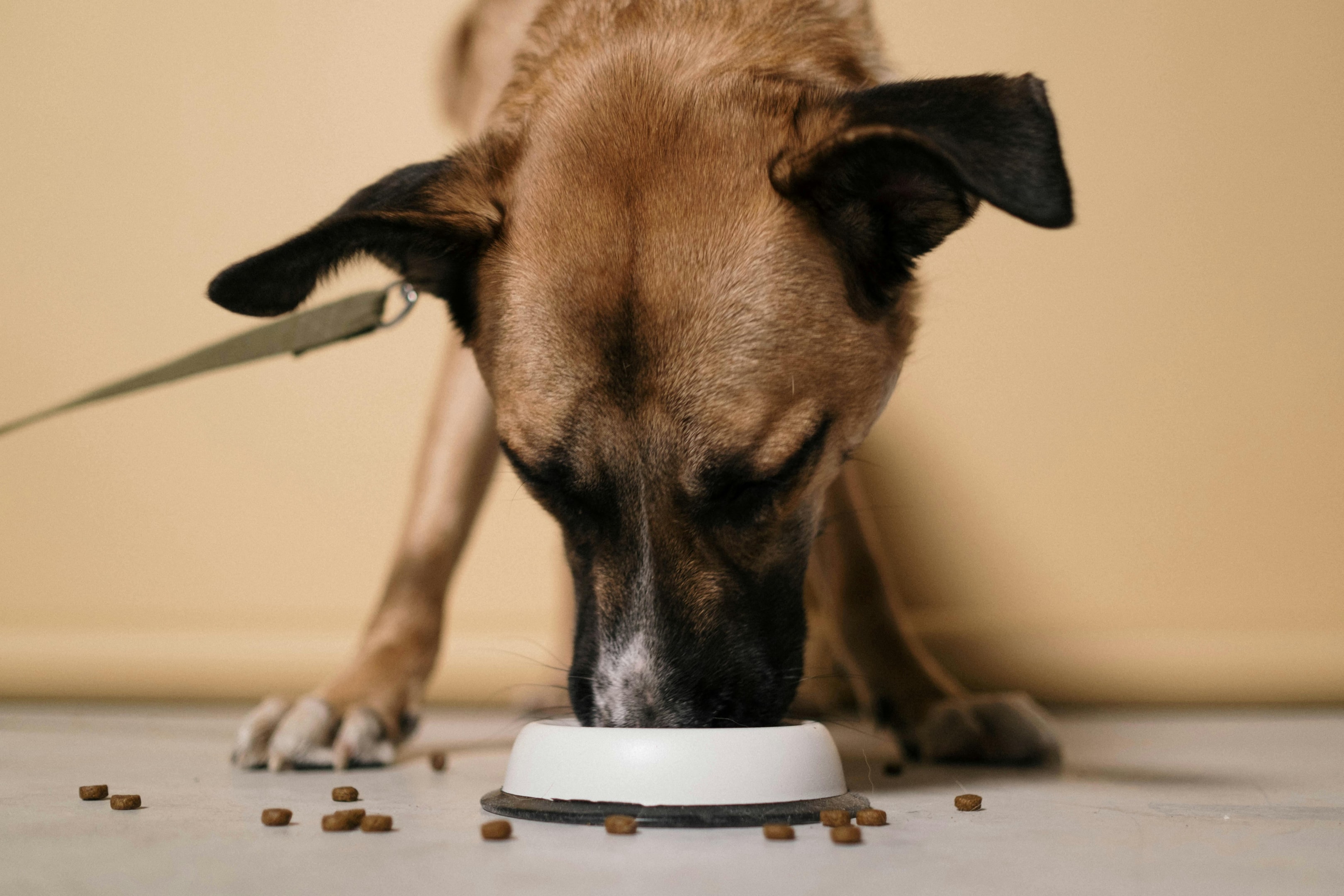
A safe rate of weight loss for pets is typically 1-2% of body weight per week.
Choosing the Right Diet for Weight Loss
Another strategy is adjusting the type of food you offer. Weight-loss or “metabolic” formulas are specifically designed to be lower in calories while still providing balanced nutrition, satiety, and high-quality protein. These foods help pets feel full without consuming too much energy. Obese cats especially benefit from diets that are higher in protein and lower in carbohydrates, which align with their natural carnivorous physiology. Dogs often do well on diets rich in lean protein and fiber, which keep them satisfied without unnecessary calories. While homemade diets may sound appealing, they can accidentally be calorie-dense or nutritionally incomplete unless formulated under veterinary nutritionist. Commercial veterinary weight-loss diets are typically the safest and most effective option. Switching a dog or cat to a prescription diet that promotes weight loss is one of the best ways to help a companion animal lose weight.
Obese dogs, particularly those with significant weight issues, benefit most from these specialized weight-loss diets. Certain breeds, such as Labrador retrievers, have been found to have genetic mutations associated with obesity, making obese labrador retrievers especially prone to weight gain and in need of special attention when selecting a diet (Raffan et al.,2016).
Healthy Treat Alternatives
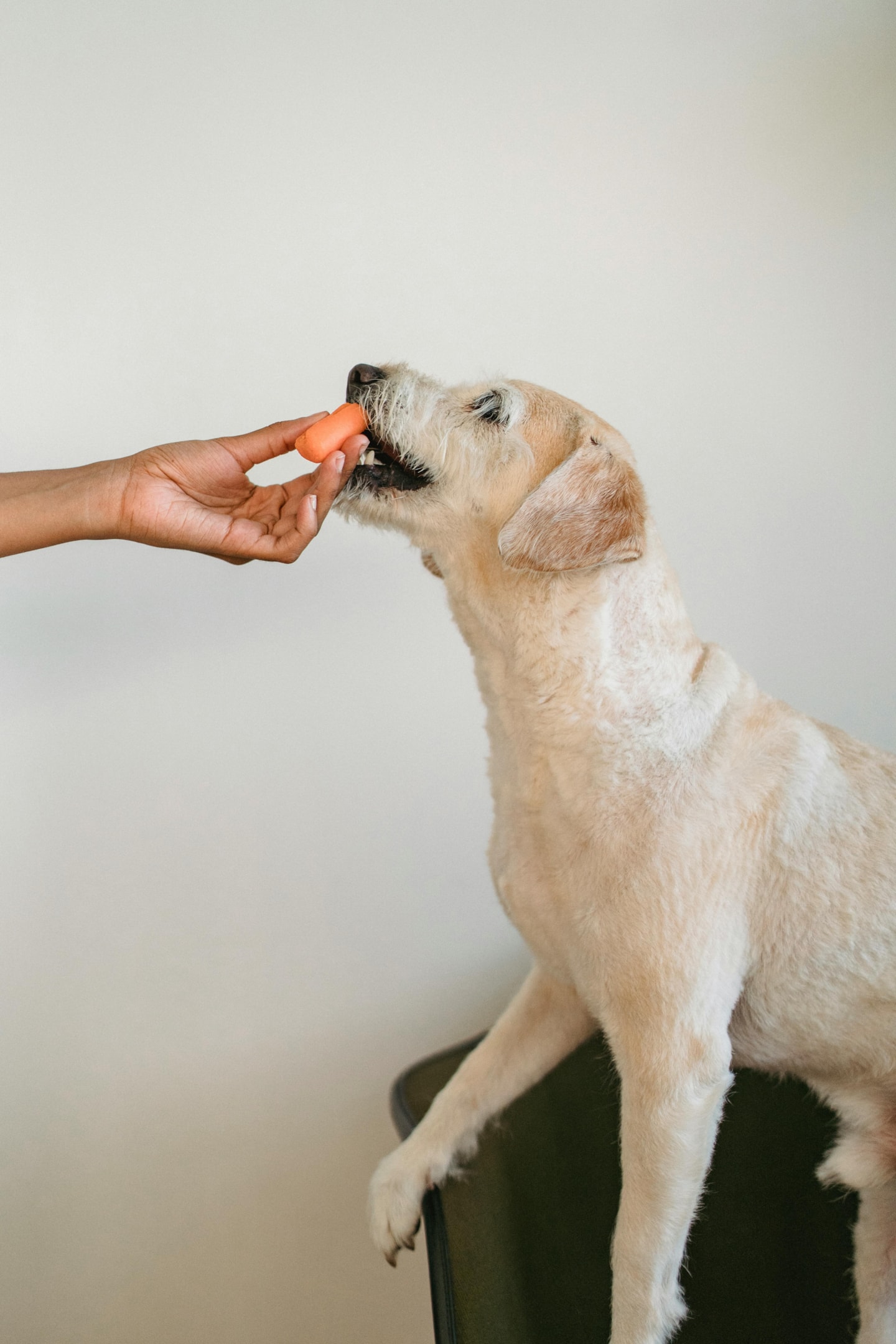
Healthy treats can still be part of your pet’s routine. You don’t have to eliminate them altogether. The key is choosing low-calorie, nutrient-rich options and keeping treat portions small. Many dogs enjoy crunchy vegetables like green beans, cucumber slices, or carrot sticks, all of which satisfy their desire to chew without significantly adding calories and helping promote weight loss. Some cats appreciate small flakes of salmon, freeze-dried protein bits, or tiny pieces of cooked chicken. You can also break larger treats into smaller pieces so your pet still feels rewarded without the additional caloric load. Establishing clear treat limits for the whole household prevents unintentional overfeeding from well-meaning family members. Being overweight or obese condition can be a side effect of different household members not communicating feeding or treat schedules. This can sometimes become a doubling up or even tripling up of calories daily.
Increasing Activity
For many household pets, pet obesity prevention lies in exercise and mental stimulation which play equally important roles in controlling weight. Not only does physical activity burn calories, but it also improves joint mobility, preserves muscle mass, and reduces stress. These are all factors that support an ideal body weight and overall wellbeing. Dogs can benefit from structured daily walks, play sessions, fetch games, swimming, or even agility exercises in the backyard. The key is to start slowly, especially if your dog is significantly overweight, and gradually build up intensity as fitness improves. Short, frequent activity periods are often safer and more comfortable than long, strenuous outings.
Cats require a different approach, as forcing structured exercise isn’t usually effective or enjoyable for them. Instead, think in terms of interactive play and environmental enrichment. Wand toys, laser pointers, feather teasers, puzzle feeders, cat wheels, and vertical climbing spaces can stimulate natural hunting behaviors and increase calorie burn. Even encouraging your cat to chase kibble pieces tossed down a hallway can provide a fun form of activity. Rotating toys helps maintain novelty and encourages more consistent movement throughout the day. Enrichment also reduces boredom, which is a common trigger for overeating in indoor cats.

Breaking the Cycle of Emotional or Habitual Eating
One of the most powerful tools in pet weight management is understanding and addressing emotional and behavioral eating patterns. Some pets beg for food out of habit rather than hunger. Others associate feeding time with affection and social interaction. Still others may nibble throughout the day simply because food is available. By shifting your pet’s routine, you can break these associations. Feeding meals at scheduled times rather than free feeding helps regulate appetite and allows you to observe exactly how much your pet is eating (Bland et al., 2009). Replacing food-based affection with play, grooming, or simply spending quality time together reinforces emotional connection without extra calories.
Other Weight Loss Strategies
Environmental enrichment, such as food puzzle toys, slow feeders, and scatter feeding, encourages natural foraging behaviors and reduces boredom driven eating. Behavior modification also plays a key role training pets to respond to cues rather than treats, limiting table scraps, and establishing predictable feeding routines help curb excessive appetite and reduce unnecessary calories.
Tracking Progress and Adjusting the Plan
Monitoring progress is an essential part of successful weight-loss plans. Regular weigh ins at home with a pet-appropriate scale or at your veterinary clinic, help you track how well your pet is responding to dietary and activity changes. Tracking your pet's weight is crucial for assessing progress and making informed adjustments to the weight loss plan. For dogs, specifically monitoring and recording your dog's weight allows you to track progress accurately and ensure safe, steady weight loss. It’s normal for weight loss to be slow and steady; dramatic drops can actually be harmful, especially for cats, who are at risk of hepatic lipidosis if they lose weight too quickly. Your veterinarian may recommend monthly check-ins to adjust food amounts, evaluate muscle condition, and provide accountability and encouragement. Keeping a log of weight, food portions, treats, and activity helps you identify patterns and refine your pet’s routine.
Creating a Supportive Home Environment
A supportive household makes a tremendous difference. Everyone in the family should agree to follow the same feeding rules to avoid mixed messages or accidental extra treats. Setting up feeding stations that limit access to food stealing pets can also help maintain consistency. For example, feeding cats on elevated surfaces or using microchip-controlled feeders allows each pet to receive the correct portion without interference. If you have multiple dogs, supervised feeding or feeding in separate rooms can prevent dominant pets from consuming more than their share.
Managing the Transition and Staying Consistent
One challenge that often surprises pet parents is the emotional resistance pets sometimes show when their routine changes. Pets may beg more vigorously, vocalize, or appear disappointed when food portions decrease or treats become healthier. These behaviors often fade once they adjust to the new normal. Providing more enrichment, affection, and non food attention helps ease the transition. Remember, giving in to begging reinforces the behavior and makes it harder in the long run. Consistency and patience pay off. Most pets adapt within a couple of weeks.
The Role of Hydration in Pet Obesity
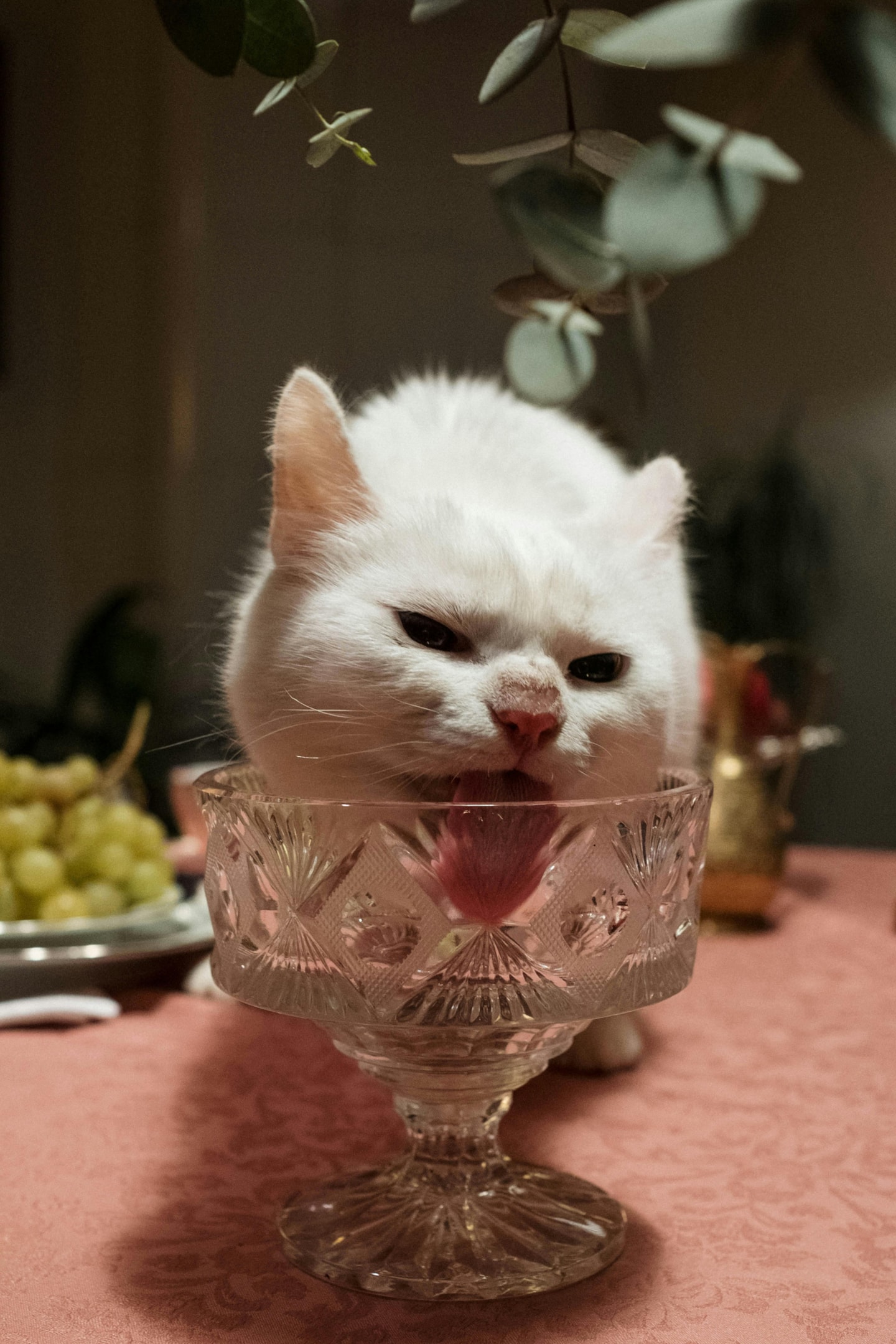
Hydration also plays a subtle but important role in weight management in both dogs and cats. Well-hydrated pets metabolize nutrients more effectively and feel more satiated after meals. Cats, in particular, tend to consume insufficient water when eating only dry food (Hoelmkjaer et al., 2014). Pet owners can offer canned food, install pet water fountains, or place multiple water bowls around the home. This encourages more drinking. For dogs, offering water-rich treats like ice cubes or frozen green beans can help cool them down during activity while keeping them hydrated.
Tailoring the Plan to Your Pet's Needs
It’s also worth acknowledging that each pet’s weight loss journey is deeply individual. What works for one animal may not be the perfect fit for another. Pet owners must take into account factors like age, breed, genetics, lifestyle, previous diet, and medical history. These all influence how your pet loses weight and maintains results. Senior pets may have slower metabolisms and require more gentle exercise. Highly active breeds might need more activity variety to feel satisfied. Cats with arthritis may benefit from pain management to make movement easier. Working closely with your veterinarian ensures your strategy evolves with your pet’s changing needs.
Weight Maintenance Over the Long Term
Once your pet reaches their target weight, the focus shifts to maintenance. This is a phase just as important as the weight loss itself. Returning to old habits can quickly undo months of progress. Keeping your pet on an appropriate calorie controlled diet, maintaining regular exercise, avoiding excessive treats, and watching for subtle signs of weight gain all contribute to long term success. Maintenance doesn’t have to feel restrictive; it simply becomes your pet’s new normal, a lifestyle centered around health, mobility, and balanced nutrition (Laflamme, 2006). Many pet parents find that by the time their companion reaches their ideal weight, the lifestyle changes feel natural and easy to sustain. Senior dogs and cats need special attention placed on their weight. As both obesity and frailty can be extremes with health consequences.
Weight management is considered a cornerstone of overall health and is also a pilar of preventive veterinary medicine. The American Veterinary Medical Association considers obesity a chronic illness within itself, and provides guidelines for best practices when managing it. It addresses pet parent concerns as well as giving possible solutions to each scenario.
Neutering and Spaying: Effects on Weight
Neuter status has a significant impact on weight in both dogs and cats. After spaying or neutering, metabolic rate typically decreases while appetite can increase, creating a perfect setup for gradual weight gain if caloric intake isn’t adjusted. Hormonal changes also reduce spontaneous activity levels, especially in cats, and the body becomes more efficient at storing fat. Because of this, neutered pets are statistically more prone to overweight and obesity compared to intact animals, even when fed what was previously an appropriate amount. Despite these metabolic shifts, neutering remains highly beneficial: it helps prevent accidental litters, reduces roaming, and lowers the risk of several serious diseases, including uterine infections and certain cancers. It's effect on weight should not be a reason to forego spaying or neutering your companion animals.
Fortunately, preventing obesity after neutering is possible with a few proactive steps. Veterinarians often recommend reducing daily calories by about 10–20% right after surgery, or switching to a “neutered” or “weight-management” formula designed to support lean body mass. Increasing structured play and daily exercise is especially important: short, frequent play sessions for cats and regular walks or active games for dogs. Monitoring body condition score (BCS) every few weeks helps catch early changes before they become a problem. With mindful feeding, active routines, and routine check-ins, most pets maintain a healthy weight and good health long after neutering.
Overcoming Challenges and Setbacks
Every pet owner knows that helping a pet achieve and maintain a healthy weight isn’t always a smooth journey. There are bound to be challenges along the way. Sometimes, it’s sticking to a new feeding schedule and resisting those pleading eyes for extra treats. Other times it's finding time for daily exercise. Successful weight loss requires consistency, patience, and a willingness to adapt when setbacks occur. One of the best ways to overcome these hurdles is to establish a clear routine and make sure everyone in the household is on the same page with your pet’s weight loss plan (Sloth, 1992).
Regular weigh ins and body condition assessments are key to tracking progress and catching any slips before they become bigger problems. If you notice your pet’s weight loss has stalled or they’re not reaching a healthy body condition as expected, don’t hesitate to consult your veterinary nutritionist. They can help you adjust your approach and suggest other weight loss strategies, such as introducing new interactive toys, increasing activity, or modifying meal portions. Remember, setbacks are normal and can be overcome with a little creativity and support. By staying proactive and communicating regularly with your veterinarian, you’ll be better equipped to prevent obesity, address health problems early, and help your pet achieve lasting, successful weight loss. Your commitment makes all the difference in your pet’s journey to a healthier, happier life.
The Joy of Seeing Your Pet Transform
Perhaps the most rewarding part of helping a pet lose weight is witnessing their transformation and preventing other health problems. Many overweight pets appear sluggish, irritable, or disinterested in play because excess weight makes everything more difficult. As the pounds come off, energy often increases dramatically. Dogs begin trotting or even running during walks. Cats rediscover their hunting instincts and may start jumping onto higher surfaces again. Joints feel better, breathing becomes easier, and your pet’s overall enthusiasm for life returns. These visible changes reinforce the importance of supporting your pet’s health journey. It also reduces risk factors for developing chronic illnesses, such as diabetes mellitus. Preventative measures for some diseases include weight loss.

A Loving, Lifelong Commitment to Their Well-Being
Ultimately, helping an overweight pet is an act of love. One that requires patience, consistency, and a willingness to make small changes that have a huge impact. Your dedication to weight loss can add years to your pet’s life expectancy. Dog owners play a crucial role in managing and preventing obesity in their pets, as their behaviors and attitudes significantly impact a dog's weight management and the success of weight loss programs. Whether you’re adjusting portion sizes, choosing healthier treats, increasing playtime, or scheduling regular weigh-ins, each step contributes to a healthier, happier companion. And while the journey may take time, every improvement you make brings your pet closer to greater comfort, vitality, and well-being over their life span.
Veterinary medicine and veterinary nutrition have made leaps in the last decades. Both play a central role in supporting optimal weight by offering targeted, evidence-based tools that go beyond standard feeding advice. Veterinarians can prescribe specialized diets formulated to promote satiety, preserve lean muscle, and optimize metabolism. These diets include those, such as high protein, high fiber weight management formulas or therapeutic diets designed for pets with concurrent conditions like diabetes, arthritis, or early kidney disease.
When it comes to weight loss in pets, biologically active compounds can play an important supporting role alongside proper nutrition and lifestyle changes. These naturally occurring substances such as antioxidants, omega-3 fatty acids, polyphenols, and certain plant and mushroom derived compounds interact with the body at a cellular level to help regulate metabolism, reduce chronic inflammation, and support insulin sensitivity. Excess weight in dogs and cats is often associated with low-grade inflammation and metabolic imbalance, which can make weight loss more difficult and increase the risk of conditions like arthritis and diabetes. By supporting mitochondrial function, modulating fat metabolism, and promoting healthier gut microbiota, biologically active compounds may help pets use energy more efficiently and maintain lean muscle mass during weight loss. When thoughtfully incorporated into a veterinarian guided management plan, these compounds can enhance overall wellness and make sustainable, long term weight control more achievable for pets. Supplements with these compounds can further support an ideal weight journey. Salmon Oil supplements and mushroom supplements can contribute to enhancing weight loss like explained previously. Combined with regular monitoring, tailored feeding plans, and medical oversight, veterinary guided nutrition ensures pets lose weight safely and maintain it long term.
In the end, weight management isn’t about perfection or just calorie intake and food intake. It’s about progress. It’s about understanding your pet’s needs and taking intentional steps toward meeting them. It’s about building routines that support health and happiness without increased risk of other diseases. Most importantly, it’s about strengthening the bond you share with your furry family member. They rely on you for nourishment, emotional support, exercise, and structure. By helping them achieve a weight adequate for your pet, you’re giving them one of the greatest gifts possible: the chance to live a longer, brighter, more comfortable life by your side. If you ever feel discouraged or uncertain, remember that every healthy choice adds up. Celebrate the victories, even the small ones. Your pet will thank you with more energy, more joy, and more years of companionship.
References
Bland, I. M., Guthrie-Jones, A., Taylor, R. D., & Hill, J. (2009). Dog obesity: owner attitudes and behaviour. Preventive veterinary medicine, 92(4), 333-340.
German, A. J. (2006). The growing problem of obesity in dogs and cats. The Journal of nutrition, 136(7), 1940S-1946S.
Hoelmkjaer, K. M., & Bjornvad, C. R. (2014). Management of obesity in cats. Veterinary Medicine: Research and Reports, 97-107.
Kieler, I. N., Shamzir Kamal, S., Vitger, A. D., Nielsen, D. S., Lauridsen, C., & Bjornvad, C. R. (2017). Gut microbiota composition may relate to weight loss rate in obese pet dogs. Veterinary Medicine and Science, 3(4), 252-262.
Kukirik, M., & Demirel, G. (2024). Pet microbiota and its relationship with obesity. Journal of Istanbul Veterinary Sciences, 8(2), 131-139.
Laflamme, D. P. (2006). Understanding and managing obesity in dogs and cats. Veterinary Clinics: Small Animal Practice, 36(6), 1283-1295.
Mattheeuws, D., Rottiers, R., Kaneko, J. J., & Vermeulen, A. (1984). Diabetes mellitus in dogs: relationship of obesity to glucose tolerance and insulin response. American Journal of Veterinary Research, 45(1), 98-103.
Raffan, E., Dennis, R. J., O’Donovan, C. J., Becker, J. M., Scott, R. A., Smith, S. P., ... & O’Rahilly, S. (2016). A deletion in the canine POMC gene is associated with weight and appetite in obesity-prone labrador retriever dogs. Cell metabolism, 23(5), 893-900.
Unknown (2026, February 18) AVMA Your pet's healthy weight. https://www.avma.org/resources-tools/pet-owners/petcare/your-pets-healthy-weight.
Sloth, C. (1992). Practical management of obesity in dogs and cats. Journal of Small Animal Practice, 33(4), 178-182.
Webb, T. L., du Plessis, H., Christian, H., Raffan, E., Rohlf, V., & White, G. A. (2020). Understanding obesity among companion dogs: New measures of owner’s beliefs and behaviour and associations with body condition scores. Preventive veterinary medicine, 180, 105029.
Related Posts

Dry Paws and Noses in Dogs and Cats – Is It Normal?
Dry paws in dogs are common and often caused by weather, low humidity, rough surfaces, or simple irritation, though ongoing dryness can also point to allergies, infections, hyperkeratosis, autoimmune disease, or another underlying health...

Itchy Dogs: Could a Food Allergy be the Culprit?
If your dog is constantly scratching, licking their paws, developing recurring ear infections, or experiencing digestive problems, you may wonder whether their food is to blame. Food allergies can affect dogs of any age, breed, or size, ...

Diabetes in Dogs and Cats
Diabetes mellitus is a common endocrine disease in dogs and cats. While a diabetes diagnosis can initially feel overwhelming, many diabetic pets can continue to enjoy a good quality of life with appropriate veterinary care and consistent...


Leave a comment