


As our beloved pets grow older, their bodies begin to change in subtle and sometimes unexpected ways. One of the most important areas to monitor during a dog or cat’s senior years is heart health. Heart disease is surprisingly common in aging pets, but it’s also one of the most manageable health issues when detected early. With appropriate treatment, lifestyle adjustments, and regular monitoring, many senior dogs and cats with heart disease can continue to live normal lives, remaining happy and comfortable if diagnosed early and managed properly.
This guide will walk you through the types of heart disease that affect senior pets, early warning signs to watch for, diagnostic tools your veterinarian may recommend, treatment options, and practical home-care tips to help your furry companion thrive well into their golden years.

Why Heart Disease Becomes More Common With Age
Just like in humans, aging naturally affects the cardiovascular system in pets. Over time:
-
Heart valves may weaken or become thickened.
-
The heart muscle may lose elasticity.
-
Arteries and vessels may become less flexible.
-
Long-term stressors (like dental disease, hormonal disorders, and chronic inflammation) can put additional strain on the heart.
-
Certain breeds have genetic predispositions that manifest later in life. Heart disease can affect any dog or cat, but some breeds are more susceptible.
While age is the biggest risk factor, some pets can develop heart disease at a young age due to congenital disease or breed predisposition. Congenital disease refers to heart conditions present at birth, often caused by developmental problems or genetic factors, and signs may be observed at a young age (Ware et al., 2021).
These changes make senior dogs and cats more vulnerable to developing cardiac issues, even if they were completely healthy when younger.
The key message? Age is the biggest risk factor for heart disease, which is why regular wellness exams become even more essential for senior pets.
Common Types of Heart Disease in Senior Dogs
Heart disease in dogs can be divided into two main categories: congenital (present at birth) and adult onset. Although dogs of any age can develop cardiac conditions, senior dogs are especially prone to two major categories: valve disease and cardiomyopathy (Hoque et al., 2019).

1. Myxomatous Mitral Valve Disease (MMVD)
The most common heart disease in older dogs
MMVD, also known as degenerative valve disease, is responsible for about 75% of heart disease cases in senior dogs. It occurs when the mitral valve, located between the left atrium and left ventricle, begins to degenerate. Instead of sealing tightly, the valve becomes leaky and allows blood to flow in the wrong direction, causing a murmur and increasing the heart’s workload (Hamlin, 2005).
Myxomatous Mitral Valve Disease (MMVD) is the most common canine heart disease, characterized by degrading valves that leak and often create a heart murmur.
Who is at risk?
Small breed dogs are famously predisposed to MMVD, especially:
-
Cavalier King Charles Spaniels
-
Dachshunds
-
Miniature Poodles
-
Chihuahuas
-
Shih Tzus
-
Maltese dogs
The condition usually progresses slowly over months or years, which means early detection and consistent monitoring can make a huge difference.
How it presents
Clinical signs of MMVD may be subtle at first. The only detectable sign may be a heart murmur. As the disease progresses, it can lead to fluid buildup in the lungs, exercise intolerance, and eventually congestive heart failure.
2. Dilated Cardiomyopathy (DCM)
DCM occurs when the heart muscle, specifically in the left ventricle, becomes weak and enlarged. This impairs heart function, reducing the heart's ability to contract and pump blood. DCM can progress quickly and may be harder to detect early without screening.
Dilated Cardiomyopathy (DCM) is a leading cause of heart failure in larger breeds of dogs.
Who is at risk?
Large breeds, including:
-
Doberman Pinschers
-
Great Danes
-
Boxers
-
Irish Wolfhounds
-
Saint Bernards
-
Newfoundlands
In some breeds, like the Doberman, DCM can have a silent phase that lasts months before obvious signs appear.
Underlying causes and presentation
Genetic predisposition, nutritional imbalances (such as taurine deficiency in rare cases) and secondary causes like arrhythmias can be underlying causes. DCM often leads to congestive heart failure and can cause dangerous cardiac arrhythmias. Upon clinical examination your vet can find weak pulses, tachycardia, gallop rhythm, systolic murmur and or pale mucous membranes in severe cases.
3. Heartworm Disease
Although preventable, heartworm disease can cause significant heart damage in older dogs, especially those who were not consistently kept on preventatives during earlier life stages. Chronic heartworm infection leads to inflammation, vessel damage, and increased strain on the right side of the heart.
Heartworm disease in dogs is a potentially fatal cardiopulmonary condition caused by the mosquito-transmitted parasite Dirofilaria immitis. After infection, larvae migrate and mature over several months into adult worms that reside primarily in the pulmonary arteries and, in heavier burdens, the right side of the heart. Their presence induces heart failure in advances stages. Clinical signs range from a soft cough and exercise intolerance to trouble breathing, weight loss, fluid build up in the abdomen, and in severe cases caval syndrome characterized by red urine and cardiovascular collapse. Diagnosis typically involves antigen testing (detecting adult female worms through a blood sample), microfilaria testing, xrays, and sometimes echocardiography.
Common Types of Heart Disease in Senior Cats
Heart disease in cats can be hereditary, congenital, or acquired, and because cats are experts at hiding illness, it often goes unnoticed in senior cats until it is advanced. Understanding the common diseases can help you spot subtle changes sooner.
1. Hypertrophic Cardiomyopathy (HCM)
Hypertrophic Cardiomyopathy (HCM) is the most commonly diagnosed heart disease in cats.
HCM, like in dog causes the heart muscle to become abnormally thick. As the muscle thickens, the chamber inside becomes smaller, reducing the amount of blood the heart can properly pump (Ware et al, 2021). This can lead to arrhythmias, abnormal heart rhythms, blood clots , and congestive heart failure.
Who is at risk?
Any cat can develop HCM, but some breeds have strong genetic links:
-
Maine Coons
-
Ragdolls
-
British Shorthairs
-
Norwegian Forest Cats
-
Sphynx cats
Genetic testing can help pet owners understand if their cat is predisposed to heart disease, especially in breeds with strong genetic links.HCM often progresses silently, making screening ultrasounds extremely valuable for senior cats.
2. Restrictive Cardiomyopathy (RCM)
RCM causes the walls of the heart to become stiff rather than thickened. The heart can’t relax properly between beats, which reduces filling capacity. Although less common than HCM, RCM is often advanced by the time it is diagnosed.
3. Dilated Cardiomyopathy (DCM) in Cats
Once associated with taurine deficiency, DCM in cats is now rare thanks to taurine supplementation in commercial diets. However, it can still occur as a secondary condition due to toxins, inflammation, or genetic factors.
Early Detection Signs of Heart Disease in Senior Pets
Heart disease symptoms can be sneaky, especially in cats. Even in dogs, signs may appear subtle at first. Becoming familiar with the early changes allows you to intervene much sooner.
Common Signs of Heart Disease in Dogs
-
Coughing
Especially if triggered by excercise or exitation.
-
Difficulty Breathing
Rapid breathing, labored breaths, or noisy respiration.
-
Fatigue or Exercise Intolerance
Your dog may tire more quickly or seem reluctant to go on walks.
-
Fainting or Collapse (Syncope)
Often triggered by excitement or exercise.
-
Restlessness at Night
Many dogs with congestive heart failure struggle to get comfortable.
-
Pot-bellied Appearance
Fluid accumulation in the abdomen (ascites) is a late sign.
-
Pale or Bluish Gums
Indicates poor oxygen circulation.
Common Signs of Heart Disease in Cats
Cats rarely cough, so heart disease looks different in felines.
-
Increased Respiratory Rate
One of the most reliable at-home indicators. Anything consistently above 30 breaths per minute at rest warrants evaluation.
-
Hiding or Reduced Activity
Cats often withdraw when unwell.
-
Low Appetite or Weight Loss
A subtle but common early sign.
-
Hind-leg Weakness or Paralysis
Can indicate a saddle thrombus—a blood clot secondary to heart disease that is a medical emergency.
-
Open-mouth Breathing or Panting
Always a red flag in cats.
-
Sudden Collapse
Because cats mask symptoms, even one abnormal observation should prompt a veterinary checkup.
How Heart Disease Is Diagnosed
To diagnose heart disease in dogs and cats, your veterinarian will review your pet's medical history, perform a physical exam, and may order certain tests or procedures to determine if your pet has heart disease. Veterinary diagnostics for heart disease continue to advance, making it easier to catch conditions at earlier, and more treatable, stages (Gavazza et al., 2021).

Physical Exam and Auscultation
During a physical examination, your veterinarian listens for heart murmurs, arrhythmias, abnormal lung sounds and pulses that feel weak or irregular.
If your veterinarian detects any abnormalities during the physical examination, they may order some tests based on what they are hearing.
A murmur does not always mean heart disease, but it often warrants further testing.
Chest X-rays
A chest X-ray produces images of your pet's heart and lungs, as well as showing their skeleton. X-rays help evaluate heeart size and shape, fluid in the lungs, blood vessel enlargement and general lung health. This is especially important in dogs with coughs.
Echocardiogram (Heart Ultrasound)
Echocardiogram is the gold standard for diagnosing heart disease. This is a cardiac ultrasound and it is a type of ultrasound scan used to look at the heart and the blood vessels nearby. An echocardiogram reveals valve function, chamber size, evaluates muscle thickness, evidentiates blood flow abnormalities if any and can catch early indicators of congestive heart failure.
Cardiac ultrasound is especially useful for diagnosing congenital heart disease, such as birth defects present from birth in dogs and cats.
Board-certified veterinary cardiologists can provide the most detailed interpretation, though many general veterinarians also perform cardiac ultrasounds.
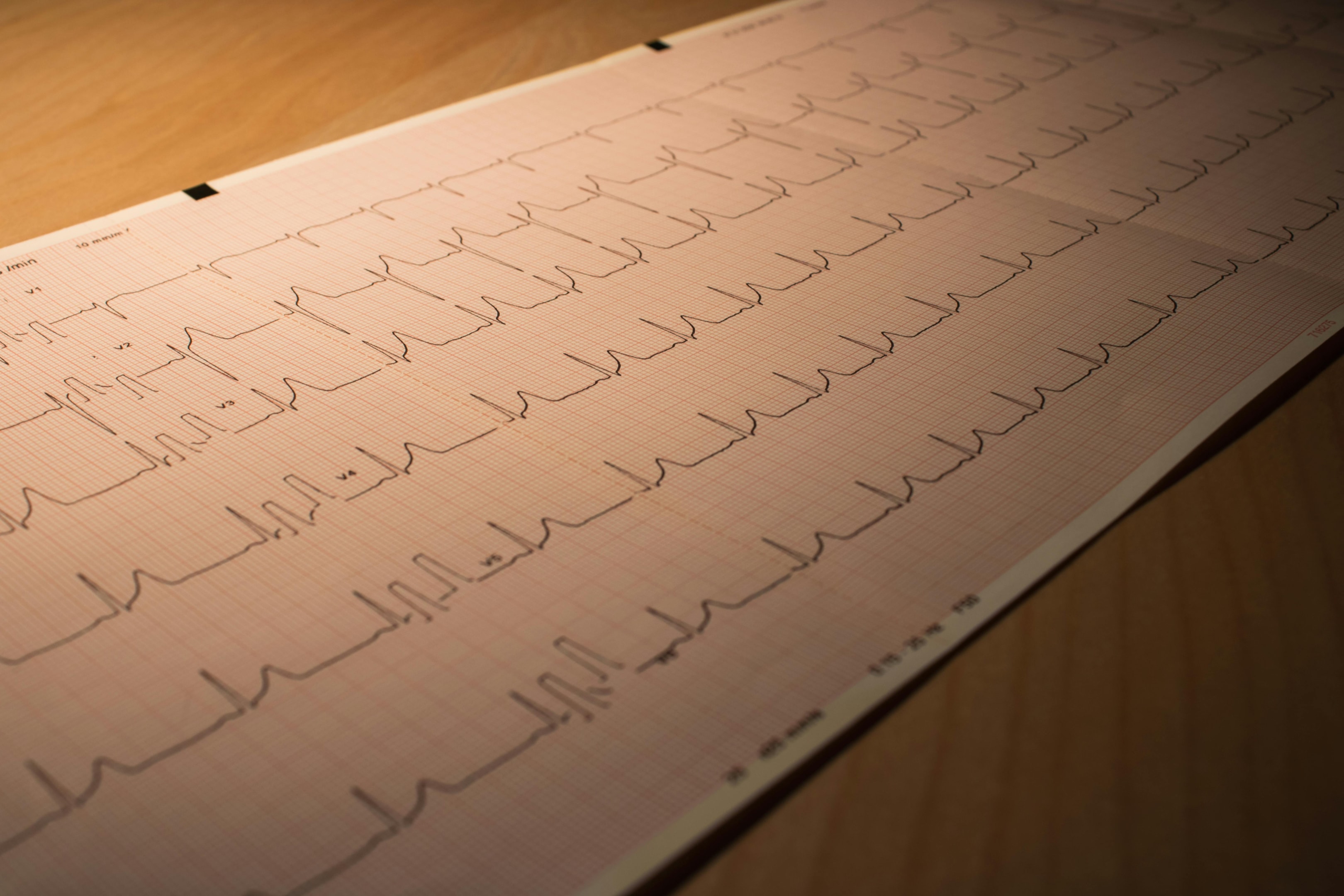
Electrocardiogram (EKG/ECG)
An ECG (electrocardiogram) measures the electrical impulses that control the heart's rhythm and can be used to check your pet's heart rate. It is a simple test that is used to check the rhythm of your pet's heart. Used to detect arrhythmias or abnormal electrical activity.
Blood Pressure Measurement
Essential for cats, as hypertension is common in older feline patients and contributes heavily to heart strain.
Cardiac Biomarkers
A blood test, such as the NT-proBNP test, helps detect heart stress in dogs and cats. They’re especially helpful when trying to distinguish heart disease from respiratory issues (Borgeat et al., 2015).
Treatment Options for Senior Pets With Heart Disease
Medical treatment for heart issues in dogs and cats will depend on the underlying disorder. Although heart disease isn’t usually “curable,” it is highly manageable. Many medications and lifestyle strategies can significantly improve both quantity and quality of life.
Treatment depends on the type and stage of disease, but common categories include:
Medications
Dogs
-
Pimobendan (Vetmedin): Increases heart contractility and reduces strain.
-
ACE inhibitors (enalapril, benazepril): Reduce blood pressure and slow disease progression.
-
Diuretics (furosemide, torsemide): Remove excess fluid from lungs or abdomen.
-
Antiarrhythmics if needed.
Cats
-
Beta-blockers or calcium channel blockers to reduce heart rate in HCM.
-
ACE inhibitors for some forms of heart failure.
-
Clopidogrel to prevent blood clots in at-risk cats.
-
Diuretics for fluid buildup.
Diet and Nutrition
Some key dietary strategies include moderating sodium intake, maintaining lean muscle mass, ensuring adequate taurine intake (especially important for cats), adding omega-3 fatty acids for anti-inflammatory effects and high quality protein in amounts appropriate for each pet’s kidney status.
Cardiac prescription diets are available, but many pets do well on balanced commercial diets supplemented strategically under veterinary guidance (Torin et al., 2007).
Weight Management
Excess weight forces the heart to work harder. Keeping senior pets lean can dramatically improve their comfort and longevity.
Exercise Adjustment
Heart disease doesn’t mean your pet must stop moving, but activity should become more moderate and consistent, avoiding strenuous bursts.
For dogs:
-
Short, frequent walks
-
Avoiding hot and humid weather
-
Gentle sniff walks for enrichment
For cats:
-
Low-stress play
-
Controlled climbing opportunities
-
Avoiding overexertion
For more in depth information about adjusting diet and exercise you can refer to this blog.
Monitoring at Home
Pet owners play a crucial role in monitoring and managing heart disease in their dogs and cats. Regular monitoring allows you and your vet to catch complications before they become emergencies. Medication will not necessarily cure your pet's heart condition but it will help to reduce the symptoms.
For dogs:
-
Resting respiratory rate (< 30–35 breaths/min is normal)
-
Pet's heart rate (you can place your hand on their ribcage and try to feel their heartbeat)
-
Cough frequency
-
Activity level
-
Appetite
-
Nighttime restlessness
For cats:
-
Resting breathing rate (<30 breaths/min)
-
Appetite
-
Changes in hiding behavior
-
Sudden hind-leg issues
-
Breathing effort
Monitoring your pet's heart rate and other vital signs at home is now easier than ever with health monitoring apps and simple phone timers, which can help you detect changes early and alert you to potential health issues.
Living With a Senior Pet With Heart Disease
With proper management, most pets with cardiac conditions can enjoy excellent quality of life for months to years after diagnosis. Here are some practical strategies to help your aging companion thrive.
Create a Calm Environment
Stress and excitement can trigger arrhythmias and increase heart rate. Providing cozy, quiet resting spaces and reducing exposure to frightening noises can do wonders for your pet. In cats, you can provide vertical escape spaces.
Stay Consistent With Medications
Consistency is crucial. Set phone reminders, use pill organizers, or keep meds in a visible location (away from pets).
Adapt the Home
Use ramps instead of stairs if recommended by your vet. Provide nonslip rugs to decrease stress and rigidity from fear of slipping. You can also raise food and water bowls to reduce neck strain. These small changes help preserve energy for essential activities.
Schedule Regular Checkups
Detecting heart disease early is crucial for your pet's health, and taking your pet for annual check-ups with a veterinarian can help detect heart disease early. Pets with cardiac disease typically need exams every 3–6 months, with imaging repeated as recommended. Regular veterinary check-ups are critical for the early detection of heart murmurs in pets.
Watch for Crisis Signs
Seek immediate veterinary care if you notice:
-
Open-mouth breathing (especially in cats)
-
A sudden spike in breathing rate
-
Collapse or fainting
-
Blue or pale gums
-
Paralysis of the hind limbs (possible blood clot)
-
Severe coughing
Pale, gray, or blue-tinged gums in pets indicate poor oxygen circulation and require immediate veterinary attention. If you notice any of these crisis signs, contact your vet immediately. Prompt intervention can be lifesaving.
What to Expect in Senior Pets With Heart Disease
Many factors influence prognosis such as type and stage of disease, individual response to medication, presence/abscence of arrhythmias, owner’s ability to monitor at home and any other concurrent diseases (kidney issues, hyperthyroidism, diabetes).
Heart disease can affect other organs by limiting oxygen delivery and causing systemic effects throughout the body. Many cardiovascular diseases never completely disappear, but they can be managed through different treatment options.
Dogs with MMVD, for example, often live years with proper treatment. Cats with early HCM may remain asymptomatic for long periods or never progress to heart failure. Pets in congestive heart failure require more intensive management but can still enjoy good quality time.
The goal is always the same, to maximize comfort and maintain joy in daily life.
How to Prevent Heart Disease in Senior Pets
Not all heart disease is preventable, but several steps can reduce risk. Keeping pets at a healthy weight, using year-round heartworm prevention for dogs (and cats in some areas), maintaining dental health (DosSantos et al., 2019), feeding well-balanced and high quality diets, controling thyroid disease in cats promptly, scheduling yearly or semiannual senior wellness exams, and considering genetic testing to identify pets at risk for inherited heart disease.
Screening tests catch problems early, often years before symptoms appear. Birth defects, or congenital defects, can lead to structural issues in cats' hearts, such as malformed valves or 'holes in the heart'.

Heart disease in senior dogs and cats can sound frightening, but it isn’t a hopeless diagnosis. With today’s veterinary tools, medications, and supportive care strategies, many pets continue to enjoy long, fulfilling lives. The most powerful step you can take is simply paying attention to breathing patterns, energy levels, appetite, and any changes that seem “off.”
Your pet’s heart has supported them throughout their entire life. As they enter their elder years, your support, through awareness, veterinary care, and daily love, becomes their strongest advantage.
References
Borgeat, K., Connolly, D. J., & Fuentes, V. L. (2015). Cardiac biomarkers in cats. Journal of Veterinary Cardiology, 17, S74-S86.
Dos Santos, J. D. P., Cunha, E., Nunes, T., Tavares, L., & Oliveira, M. (2019). Relation between periodontal disease and systemic diseases in dogs. Research in veterinary science, 125, 136-140.
Hamlin, R. L. (2005). Geriatric heart diseases in dogs. Veterinary Clinics: Small Animal Practice, 35(3), 597-615.
Hoque, M., Saxena, A. C., Gugjoo, M. B., & Bodh, D. (2019). Cardiac diseases in dogs. Indian J. Anim. Health, 58(1), 1-20.
Gavazza, A., Marchegiani, A., Guerriero, L., Turinelli, V., Spaterna, A., Mangiaterra, S., ... & Cerquetella, M. (2021). Updates on laboratory evaluation of feline cardiac diseases. Veterinary sciences, 8(3), 41.
Torin, D. S., Freeman, L. M., & Rush, J. E. (2007). Dietary patterns of cats with cardiac disease. Journal of the American Veterinary Medical Association, 230(6), 862-867.
Ware, W. A., Bonagura, J. D., & Scansen, B. A. (2021). Myocardial diseases of the cat. In Cardiovascular Disease in Companion Animals (pp. 649-694). CRC Press.
Ware, W. A., Bonagura, J. D., & Scansen, B. A. (2021). Myocardial diseases of the dog. In Cardiovascular Disease in Companion Animals (pp. 607-648). CRC Press.
Related Posts

Itchy Dogs: Could a Food Allergy be the Culprit?
If your dog is constantly scratching, licking their paws, developing recurring ear infections, or experiencing digestive problems, you may wonder whether their food is to blame. Food allergies can affect dogs of any age, breed, or size, ...

Diabetes in Dogs and Cats
Diabetes mellitus is a common endocrine disease in dogs and cats. While a diabetes diagnosis can initially feel overwhelming, many diabetic pets can continue to enjoy a good quality of life with appropriate veterinary care and consistent...

How to compare mushroom supplements: Buddy Guard vs. Critical Immune Defense
This comparison is published by Petsmont, the maker of Buddy Guard on August 5th, 2026. Competitor information came from publicly available labels and manufacturer materials. TLDR: Summary Table Buddy Guard Critical Immune Defense ...


Leave a comment