


Lipomas are among the most commonly discussed benign tumors in veterinary medicine but most pet owners have heard about them in dogs, not cats. While both species can develop these fatty masses, important differences in incidence, behavior, clinical significance, and management exist between dogs and cats. A cat lipoma is a benign, slow-growing, fatty tumor that most often occurs in older cats, and the prognosis after a diagnosis of a cat lipoma is generally good and not a cause for alarm. This blog post explores lipomas in cats comprehensively, highlights how they differ from their canine counterparts, discusses unique considerations in cats, and briefly examines lipomas in other companion animals.

What Is a Cat Lipoma?
At its core, a lipoma is a benign tumor composed of mature fat cells (adipocytes). Lipomas are generally soft, round, and easily movable under the skin, and they often feel soft and squishy when palpated. In many animals, they present as a discrete lump beneath the skin. Because they are benign, they typically do not invade surrounding tissues or metastasize (spread) to distant organs.
Despite their benign nature, lipomas can occasionally cause problems depending on their size, location, and effect on surrounding structure. This is especially true in species where they are less common or behave differently.
Are Lipomas Common in Feline Friends?
In contrast to dogs, where lipomas are frequent—especially in older, overweight, or certain breeds—lipomas in cats are much less common. The relatively low incidence in cats has been noted across veterinary literature and clinical practice (Pinello et al., 2022). While definitive epidemiologic studies are limited, most veterinarians will admit they encounter lipomas in cats far less often than in dogs.
Lipomas are more prevalent in older felines, particularly in neutered male Siamese cats, indicating that Siamese cats may have a higher risk for developing these tumors.
This lower prevalence means that when a cat presents with a subcutaneous mass, clinicians often consider a broader array of differential diagnoses before assuming it is a lipoma (Cannon, 2015).
How Do Fatty Lumps like Lipomas Form?
Lipomas develop when a cluster of adipocytes proliferates more rapidly than normal. While cats can develop lipomas, the underlying cause of lipomas in cats is not well understood. Several factors are suspected:
-
Genetics/Breed predisposition
-
Age
-
Obesity (data in cats are less clear)
-
Chronic inflammation or trauma (is thought to possibly have a role)
In cats, because lipomas are rarer, clear risk factors are harder to define. However, advancing age appears to be associated with higher incidence, similar to many other benign growths.

Presenting Signs in Cats
Lipomas in cats typically present as a soft, subcutaneous lump that is able to be moved under the cat's skin with gentle palpation, non painful, and slow-growing. Common locations include the cat's chest, abdomen, neck, back, and upper legs, but theoretically, they can occur anywhere adipose tissue exists.
The skin above lipomas in cats usually appears normal and without skin lesions. However, because lipomas are so uncommon in cats, any new mass warrants careful evaluation.
How Lipomas in Cats Differ from Dogs
While lipomas are well-documented in dogs, with many clinicians viewing them as “routine,” the story in cats is different. Below are key differences:
1. Incidence
Lipomas are much more common in dogs than cats. In cats, other types of tumors (both benign and malignant) are statistically more likely when evaluating a subcutaneous mass.
2. Diverse Differential Diagnoses in Cats
When a dog presents with a soft lump, a lipoma is often the top differential based on signalment and physical exam alone. In cats, masses that may feel similar to a lipoma include:
-
Mammary tumors
-
Injection-site sarcomas
-
Basal cell tumors
-
Histiocytic tumors
-
Abscesses or granulomas
-
Sebaceous cysts
-
Other soft tissue sarcomas
Lipomas should be differentiated from malignant tumors, which are typically firmer, fixed, and may grow rapidly. Therefore, veterinarians often pursue diagnostic sampling before assuming a lipoma.
3. Adipose Tissue Distribution
Cats have a different distribution and proportion of fatty tissue compared to dogs. While both species accumulate subcutaneous fat, cats carry more visceral fatty tissue relative to subcutaneous fat, and this could influence where and how lipomas in cats form.
4. Behavior and Growth Patterns
Although most lipomas in dogs remain small and benign, there are variants (e.g., infiltrative lipomas) that invade deeper tissues. In cats, even simple lipomas are rare, and unusual fat cell tumors (like liposarcomas) may appear more frequently within the spectrum of fatty tumors. This makes cautious evaluation essential.
In rare cases, lipomas grow in a way that makes them invasive lipomas, spreading into surrounding tissues (Khaki-Saneh et al., 2025) or even becoming malignant, such as infiltrative lipomas or liposarcomas. Identifying these rare cases is important for determining the appropriate treatment.

Diagnosing Lipomas in Cats
Diagnosis begins with a physical examination. If a mass is suspected to be a lipoma, a veterinarian will conduct a physical examination and may recommend further diagnostic testing to confirm it is benign. Imaging and tissue sampling are typically needed in cats to confirm the nature of a mass.
Fine Needle Aspiration (FNA)
A veterinarian will likely recommend a fine-needle aspirate (FNA) and cytology to diagnose a suspected lipoma in a cat. This is often the first diagnostic step. The fine needle aspirate involves inserting a needle into the mass to obtain a sampling of cells for microscopic examination. The collected sample is then placed on a microscope slide and examined under a microscope. Lipomas are often easily diagnosed by their classic appearance under the microscope during cytological examination, as they usually yield numerous mature adipocytes (fat cells) or large cells with clear cytoplasm and small nuclei.
However, FNA has some limitations. It may not differentiate between benign lipoma and well-differentiated liposarcoma. The ease of cytology identification depends on sample adequacy and the pathologist's expertise.
Biopsy
For a confirmative diagnosis of a lipoma, a larger tissue sample called a biopsy may be necessary. A biopsy is a slightly more invasive procedure that is extremely safe and typically involves a brief surgery. If FNA is inconclusive or clinicians suspect a less benign process, a biopsy may be recommended. Biopsies provide a tissue architecture, allowing more accurate diagnosis.
Imaging
For large or deep masses, imaging (ultrasound, radiographs, or even MRI/CT) can define the size and relationship to surrounding tissues. This is especially important if surgical removal is being considered.

Behavior and Prognosis
Most lipomas in cats, once confirmed, behave benignly. In most cases, lipomas in cats are benign and do not cause pain or cat discomfort. Most lipomas only require monitoring and pose no threat unless they are uncomfortable due to large size or awkward location.
They tend to grow slowly and do not metastasize. Lipomas in cats do not resolve or go away on their own, though they can shrink with weight loss. Recurrence of lipomas is rare following surgical removal, but formation of new or multiple lipomas is common. It is important to monitor the size and growth rate of a cat's lipoma on a regular basis after diagnosis. Small, inactive lipomas often do not require treatment and can be monitored by pet owners. Evaluating your pet's condition with a veterinarian is essential to determine the best management approach, especially if multiple lipomas are present or if there are any changes in the lumps. However, because of the diagnostic challenges, confirmation is key.
Potential Issues
Even benign lipomas can cause problems based on location. Joint or muscle interference is the greatest concern. Large masses near limbs may impede movement by pressing on nearby tissues or other tissues, potentially limiting a cat's mobility or causing irritation if the lipoma grows large enough. Compression of nerves or blood vessels is another worry, as both may cause pain and decreased mobility. Lastly, ulceration is also a concern. If a lipoma is traumatized or sits in an area of friction it may ulcerate and complicate both treatment and prognosis.
Unlike dogs, where lipomas are often left alone unless they grow large, veterinarians may be more proactive in sampling feline masses given the higher likelihood that a mass could be something other than a lipoma. Also, a much smaller mass may cause our feline companions issues with mobility as they tend to be avid climbers and extreme jumpers.
Treatment Options for Lipomas in Cats
Treatment options depend on size and location, clinical signs or discomfort and the definitive diagnosis.
Surgical Removal
Surgery is the treatment of choice if the mass interferes with normal activity or there’s uncertainty about its nature. If the mass starts to grow rapidly then surgery should also be considered, as some masses may become inoperable if they get too large.
If a lipoma is to be surgically removed, a veterinarian may perform additional tests, such as a complete blood count and urinalysis, to ensure the cat is healthy enough for anesthesia. If surgical intervention is recommended, further testing may be needed. Any samples will be sent to a reference laboratory for analysis.
Surgery in cats carries its own considerations:
-
Cats are generally more sensitive to anesthesia than dogs
-
Pre-anesthetic bloodwork is essential, especially for older cats
-
Post-operative care requires careful monitoring, pain control, and confinement
Surgical removal of lipomas is typically curative, but invasive lipomas may be more challenging to remove and are likely to recur. Recurrence after complete removal is rare for simple lipomas.
Monitoring
Most lipomas in cats only require monitoring, and do not need treatment unless they become uncomfortable due to their size or location. If the mass is confirmed to be a benign lipoma and isn’t causing issues, only monitoring every 3–6 months may be appropriate. Owners should watch for:
-
Rapid growth or large lipomas
-
Changes in texture or firmness
-
Surrounding skin or nearby skin health and appearance
-
Pain on palpation
-
Signs of systemic illness (symptoms like lethargy, loss of appetite)
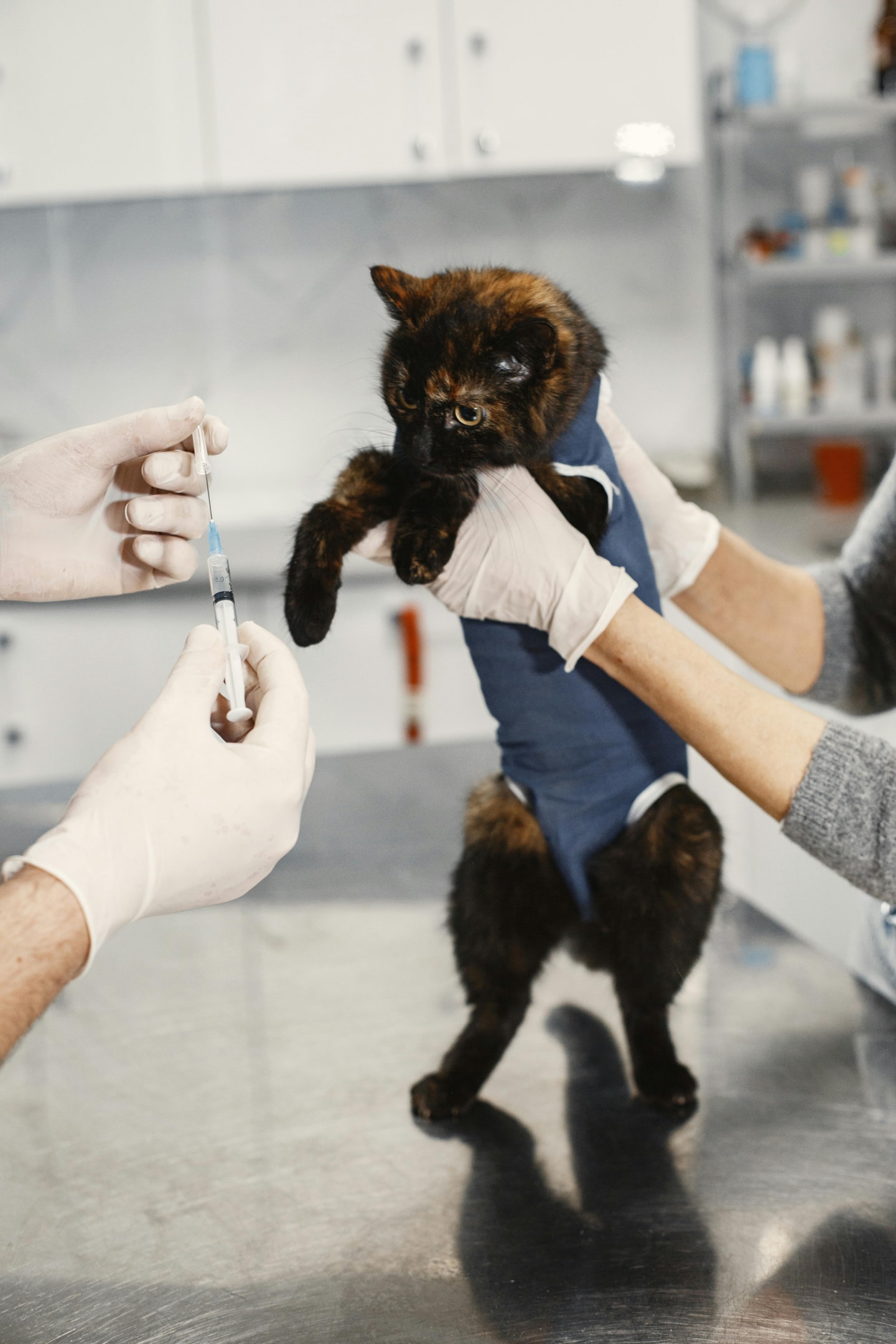
Lipomas vs. Other Fatty Tumors
Not all fatty tumors, also known as fatty lumps, are the same. In cats and other species, these tumors arise from fat tissue and typically develop in the subcutaneous tissue, the layer beneath the skin. Adipocytic tumors can be categorized as:
-
Lipoma a benign fatty tumor composed of mature fat cells, usually found in the subcutaneous tissue. Lipomas are often mobile and can feel soft to the touch, but they can also be firmer and more adhered to surrounding tissue.
-
Atypical lipomatous tumor benign but locally aggressive, sometimes referred to as infiltrative lipomas. These fatty lumps may invade surrounding tissue, including muscle tissue and fat tissue, and may require aggressive removal due to their tendency to infiltrate these areas.
-
Liposarcoma a malignant tumor arising from fat tissue, with potential for local invasion into surrounding tissue and, rarely, metastasis. Liposarcomas are considered cancerous and are classified as malignant tumors.
In dogs, liposarcomas are uncommon, and even rarer in cats. However, because of the diagnostic overlap on imaging or cytology alone, veterinarians often pursue tissue biopsy if there is any suspicion.
Special Considerations in Cats
Beyond the general differences from dogs, there are feline-specific considerations worth noting.
While lipomas in cats are most commonly found under the skin, it is important to note that these fatty tumors can also develop on internal organs.
1. Injection-Site Tumors
Cats are known to develop fibrosarcomas at injection sites. This is a unique and aggressive tumor type. Sometimes these masses can feel similar to benign lumps on early palpation, so any new swelling in a vaccinated area warrants attention.
2. Mammary Tumors
Especially in intact females, mammary tumors may appear subcutaneously. Although most mammary tumors in cats are malignant, early detection improves outcomes. This underlines the importance of spaying and regular physical exams.
3. Geriatric Screening
Older cats are prone to a wide variety of tumors and systemic diseases. When a senior cat presents with a mass, clinicians often pair the workup with broader geriatric screening (bloodwork, thyroid evaluation, imaging) to assess overall health.
4. Obesity and Lipid Metabolism
Feline obesity is a well-recognized issue, with implications for diabetes, hepatic lipidosis, osteoarthritis, and other conditions. Whether obesity significantly increases lipoma risk in cats is unclear—studies show less correlation than in dogs. Owners should understand that obesity affects many facets of feline health.
Supplements for cats with lipomas
In cats with lipomas, supplements are sometimes used as supportive tools, since these benign fatty tumors do not reliably shrink with supplementation alone. That said, maintaining overall metabolic and immune health may help support cats that are prone to developing fatty masses. Omega-3 fatty acids (such as EPA and DHA from fish oil) are commonly recommended for their anti-inflammatory properties and potential role in regulating lipid metabolism, which may be particularly helpful in overweight cats or those with concurrent inflammatory conditions (Bauer, 2011). Antioxidants like vitamin E can support cellular health, especially when omega-3s are supplemented, while compounds such as L-carnitine may aid fat metabolism and weight management in select cases (Blanchard et al., 2002). Some veterinarians also consider beta-glucans or other immune-modulating nutraceuticals to support normal immune surveillance, although evidence specific to feline lipomas is limited (Zaine et al., 2014). As cats are uniquely sensitive to certain ingredients and dosing errors, any supplement plan should be discussed with a veterinarian to ensure safety, appropriate formulation, and to avoid masking more serious conditions that can resemble lipomas.(Amaral et al., 2025).
Lipomas in Other Companion Species
While this post has focused on cats (and compared them to dogs), lipomas also occur in a range of other companion animals.
If you notice any unusual lumps or bumps on your feline friend, it's important to seek a proper diagnosis and care to ensure their health and well-being.

Rabbits
Lipomas can be seen in pet rabbits, particularly as they age. These masses typically present similarly (soft, mobile, subcutaneous) but careful evaluation is important because other tumors (e.g., uterine adenocarcinomas) are common in unspayed females (von Bomhard et al, 2007).
Rabbit lipoma management also considers anesthesia risk and species-specific metabolism.
Guinea Pigs
Though less frequently reported, guinea pigs can develop fatty tumors. Diagnosis and management follow the same principles. Sampling and careful surgical planning, considering size and anesthesia sensitivity, will be very important (Dobromylskyj et al., 2023).
Ferrets
Ferrets are prone to several types of tumors, and while lipomas are less commonly reported than adrenal or pancreatic tumors, they do occur (Williams and Wyre, 2020). Given the high tumor burden ferrets can carry, vets often biopsy masses rather than assume benignity.
Horses
Equine lipomas appear differently. Rather than subcutaneous masses, horses more commonly develop lipomatosis of the small intestine mesentery (Gillen et al., 2025). This is a fatty infiltration that can cause chronic colic due to mechanical obstruction. Subcutaneous lipomas are less common but do occur.

Pocket Pets and Exotics
Chinchillas, hedgehogs, and other small mammals may develop fatty tumors, though reports are sporadic, and clinical behavior varies. As always, careful diagnosis rather than assumption is key (Greenacre et al., 2004).
When to See a Veterinarian
Any new lump or bump on your cat should be evaluated by a veterinarian—especially if:
-
The mass appears quickly
-
It changes in size, shape, or firmness
-
Your cat or small pet shows signs of discomfort
-
The lump is near a limb, joint, eye, or mouth
-
Your cat is older or has systemic signs (e.g., weight loss, lethargy)
Early assessment allows for timely diagnosis and, when necessary, intervention.
It is important to have your cat examined by a veterinarian to ensure an accurate diagnosis and appropriate care. The information provided here is for informational purposes only and does not constitute medical advice.
What Owners Can Do
As a caregiver, you can help by performing regular gentle body checks. You feel along your cat’s body monthly for new lumps. You can also monitor changes in known masses by keeping detailed notes or photos of any changes over time. It's also important to note the importance of routine veterinary wellness exams.
Lipomas may be benign, but distinguishing them from more serious conditions is crucial for optimal feline health. For cats diagnosed with more serious tumors, advanced treatment options such as those provided by PetCure Oncology, including minimally invasive therapies, may be available.
Knowledge Rewind
-
Lipomas are benign fatty tumors composed of mature adipocytes.
-
They are common in dogs but much less common in cats.
-
In cats, any subcutaneous mass requires careful diagnosis because the differential list is broader and more concerning than in dogs.
-
Diagnostic tools like FNA, biopsy, and imaging guide veterinary decisions.
-
Treatment ranges from monitoring to surgical excision based on clinical relevance. Radiation therapy may be used if surgery is not an option or if a tumor is only partially removed.
-
Cats have unique considerations, such as risks for other tumor types (e.g., injection-site sarcomas and mammary tumors) that resemble lipomas.
-
Lipomas also occur in other companion species, with species-specific presentations and management.
Understanding these nuances empowers pet owners and caregivers to make informed decisions, reduce worry, and ensure pets receive appropriate care.
References
Amaral, A. R., Finardi, G. L., Marchi, P. H., de Oliveira, N. M., Príncipe, L. A., Teixeira, N., ... & Vendramini, T. H. (2025). Connection between nutrition and oncology in dogs and cats: perspectives, evidence, and implications—a comprehensive review. Frontiers in veterinary science, 11, 1490290.
Bauer, J. E. (2011). Therapeutic use of fish oils in companion animals. Journal of the American Veterinary Medical Association, 239(11), 1441-1451.
Blanchard, G., Paragon, B. M., Milliat, F., & Lutton, C. (2002). Dietary L-carnitine supplementation in obese cats alters carnitine metabolism and decreases ketosis during fasting and induced hepatic lipidosis. The Journal of nutrition, 132(2), 204-210.
Cannon, C. M. (2015). Cats, cancer and comparative oncology. Veterinary sciences, 2(3), 111-126.
Dobromylskyj, M. J., Hederer, R., & Smith, K. C. (2023). Lumpy, bumpy guinea pigs: a retrospective study of 619 biopsy samples of externally palpable masses submitted from pet guinea pigs for histopathology. Journal of Comparative Pathology, 203, 13-18.
Kakhi-Sahneh, S., Azarogoun, R., Hashemi-Asl, S. M., & Tehrani, A. (2025). Lower obstructive uropathy associated with pelvic lipoma in a cat. Bulgarian Journal of Veterinary Medicine, 28(2).
Gillen, A., Hassel, D., Gonzalez, S. W., Savage, V., Mudge, M., Wood, A., ... & Archer, D. C. (2025). Risk factors for strangulating lipoma obstruction and lipomata in horses. Equine veterinary journal.
Greenacre, C. B. (2004). Spontaneous tumors of small mammals. Veterinary Clinics: Exotic Animal Practice, 7(3), 627-651.
Pinello, K., Pires, I., Castro, A. F., Carvalho, P. T., Santos, A., de Matos, A., ... & Niza-Ribeiro, J. (2022). Cross species analysis and comparison of tumors in dogs and cats, by age, sex, topography and main morphologies. Data from Vet-OncoNet. Veterinary Sciences, 9(4), 167.
Spoldi, E., Schwarz, T., Sabattini, S., Vignoli, M., Cancedda, S., & Rossi, F. (2017). Comparisons among computed tomographic features of adipose masses in dogs and cats. Veterinary radiology & ultrasound, 58(1), 29-37.
von Bomhard, W., Goldschmidt, M. H., Shofer, F. S., Perl, L., Rosenthal, K. L., & Mauldin, E. A. (2007). Cutaneous neoplasms in pet rabbits: a retrospective study. Veterinary Pathology, 44(5), 579-588.
Williams, B. H., & Wyre, N. R. (2020). Neoplasia in ferrets. Ferrets, rabbits, and rodents, 92.
Zaine, L., Monti, M., Vasconcellos, R. S., & Carciofi, A. C. (2014). Immunomodulatory nutraceuticals with potential clinical use for dogs and cats.
Related Posts

The Hyperthyroid Cat: A Complete Guide for Pet Owners
As cats grow older, they become more susceptible to certain age-related health conditions. Hyperthyroidism in cats is usually one of the most common endocrine disorders in senior cats. This is an overproduction of thyroid hormones that s...

Mast Cell Tumors in Dogs: Understanding One of the Most Common Skin Cancers
While many skin lumps turn out to be harmless fatty tumors or benign growths, others require prompt veterinary attention. One of the most common malignant skin tumors seen in dogs is the mast cell tumor (MCT). Mast cell tumors are often ...

New World Screwworm in the US
Screwworm is the larval stage of the New World screwworm fly, a parasite that lays eggs in wounds and whose maggots feed on living tissue, causing painful and sometimes life threatening infestations in pets and livestock. For decades, th...


Leave a comment