


Finding a bump on your canine companion can stop you in your tracks. One moment you’re giving belly rubs, and the next your mind is racing: Are they in pain? Has this been here long? Could it be something serious? These reactions are completely normal. One of the most common questions veterinarians hear from dog parents is whether lipomas actually cause pain.
The answer isn’t always simple. Some growths cause no pain at all. Others can be uncomfortable, restrictive, or painful depending on their size, location, and what’s happening beneath the skin. Because dogs can’t tell us how they feel in words, we have to rely on something just as powerful: their body language and behavior. Because dogs cannot verbally describe their pain, we rely on careful observation of behavior, posture, and daily routines. This is an approach well supported in veterinary pain-assessment literature (Hansen, 2003; Hernandez‑Avalos et al., 2019).
This guide will help you understand whether lipomas typically hurt dogs, learn how dogs show pain or discomfort, recognize signs that a lump may be bothering your dog, support your pet if they have large lumps and improve your dog’s comfort and quality of life at home.
This article is not a substitute for veterinary care, but it will help you become more observant, and a more confident advocate for your furry friend.
Fatty lumps in Dogs
Lipomas are benign (non-cancerous) fatty tumors made up of fat cells that commonly occur in dogs. They typically feel soft, movable, and painless under the dog's skin and are most often commonly found on the chest, abdomen, legs, or armpit area. They are especially common on the dog's tummy or under the skin where there is a fatty tissue layer. Not all lumps are dangerous; in fact, one or two lipomas are common in many older dogs, and these lumps are typically benign. While lipomas can vary in size and may grow slowly over time, they generally do not spread to other parts of the dog's body or cause health problems. In most cases, treatment options are not necessary unless the dog's lipoma interferes with movement, becomes unusually large, or shows changes that warrant further evaluation. A veterinarian may recommend monitoring, a fine needle aspiration (FNA) using a small needle to collect cells for examination by a veterinary pathologist to ensure accurate diagnosis, or surgical removal to confirm the diagnosis and ensure the mass is not a more serious condition. The only way to determine if a growth is cancerous is through veterinary testing. This article does not constitute medical advice; always seek professional guidance from your veterinarian for your pet's condition and treatment options.
Lipomas are extremely common in middle‑aged to senior dogs, and are frequently noted during routine physical exams (Morgan, 2025). Classic or simple lipomas are soft, doughy, freely move around (they do not seem attached to the muscle) and usually painless. However, absence of malignancy does not always mean absence of pain. Pain or discomfort can occur when a lipoma grows large enough to compress nearby muscles, nerves, or joints, or when it is located in areas that move constantly, such as the armpit, groin, neck, or behind the elbows. Veterinary pathology literature also describes infiltrative lipomas, a less common form of fatty tumor that extends between muscle layers and surrounding tissues. Infiltrative lipomas are firmer, less easily moved, and can cause pain, stiffness, or functional impairment despite being histologically benign (McChesney et al., 1980). Rare cases of malignant fatty tumors, called liposarcomas, can grow rapidly, metastasize to other parts of the body, and require different treatment such as surgery and additional treatments like radiation therapy.
Many pets live their entire lives with one or two lipomas and never seem bothered by them. Sometimes, the skin over the lump becomes stretched, inflamed, or irritated, causing tenderness as well. If there is infection, inflammation, rapid growth, or multiple lipomas, this can also cause soreness. Dogs with multiple lipomas may experience cumulative effects on mobility and posture, particularly as they age. This is a real concern echoed in geriatric pet care research (Barman & Barua, 2023; Wells et al., 2024). Surgical removal is typically curative for simple lipomas and is generally recommended if the lipoma affects a dog's ability to walk or interferes with breathing because of its localization. Recovery time after surgery is generally seven to ten days. Infiltrative lipomas are more challenging to remove surgically and may require radiation therapy even after surgical removal.
Several factors increase the likelihood of developing lipomas in dogs, including obesity, age, genetics, diet, environmental chemicals, and drug interactions. The exact cause is often unknown. Lipomas may also appear at the site of a previous injury or after spaying/neutering, suggesting a potential link to trauma and reproductive status. Female dogs, especially if overweight or spayed, are more likely to develop lipomas than male counterparts. Some dog breeds, including Labrador Retrievers, Doberman Pinschers, cocker spaniels, and miniature schnauzers, are more prone to developing lipomas. Internal lipomas, although rare, can cause symptoms like coughing or digestive issues if they press against organs. Lipomas typically grow slowly, but some may grow rapidly, and they can be found virtually anywhere there is fat present in the dog. In some cases, lipomas shrink with weight loss, but others persist or grow slowly.
A Dog's Lipoma and Pain
Dogs are masters of adaptation. Rather than vocalizing pain, they often compensate quietly by shifting weight, avoiding certain movements, or resting more. Behavioral changes, such as whining or excessive licking of the lump area, can indicate discomfort associated with a lipoma. This is why behavioral observation is central to canine pain assessment (Hansen, 2003). Reading your pet’s body language and observing their behavior is critical. Regular veterinary check-ups and professional guidance are essential for monitoring new lumps, distinguishing between benign and malignant growths, and maintaining your pet's health and quality of life.
Why Dogs Often Hide Pain
Canines don’t express pain the same way humans do. From an evolutionary perspective, showing pain can signal vulnerability. Even today, canines instinctively mask pain unless it becomes severe. Research on canine pain assessment emphasizes that dogs may continue to eat, wag their tails, and seek affection despite experiencing discomfort (Hernandez‑Avalos et al., 2019).
Pain may only appear during specific movements like getting up, lying down, climbing stairs. It also tends to progress gradually. This makes subtle changes more important than dramatic signs like crying out.
Rather than looking for obvious signs like yelping, it’s more helpful to watch for patterns and changes.
How Dogs Communicate Pain Through Body Language
Changes in Movement or Posture
One of the most telling signs that a growth may be bothering your dog is a change in their movement or posture. Dogs may begin limping, favoring one side, or moving more slowly than usual. You might notice hesitation before jumping, climbing stairs, or lying down, as well as stiffness after resting. Some dogs take shorter strides, walk at a slower pace, or sit and lie in unusual positions to avoid pressure on a sensitive area. Even when a bump is not painful to the touch, its size or location (especially near the shoulder, hip, or leg) can interfere with normal movement and alter your dog’s natural gait.
Sensitivity to Touch
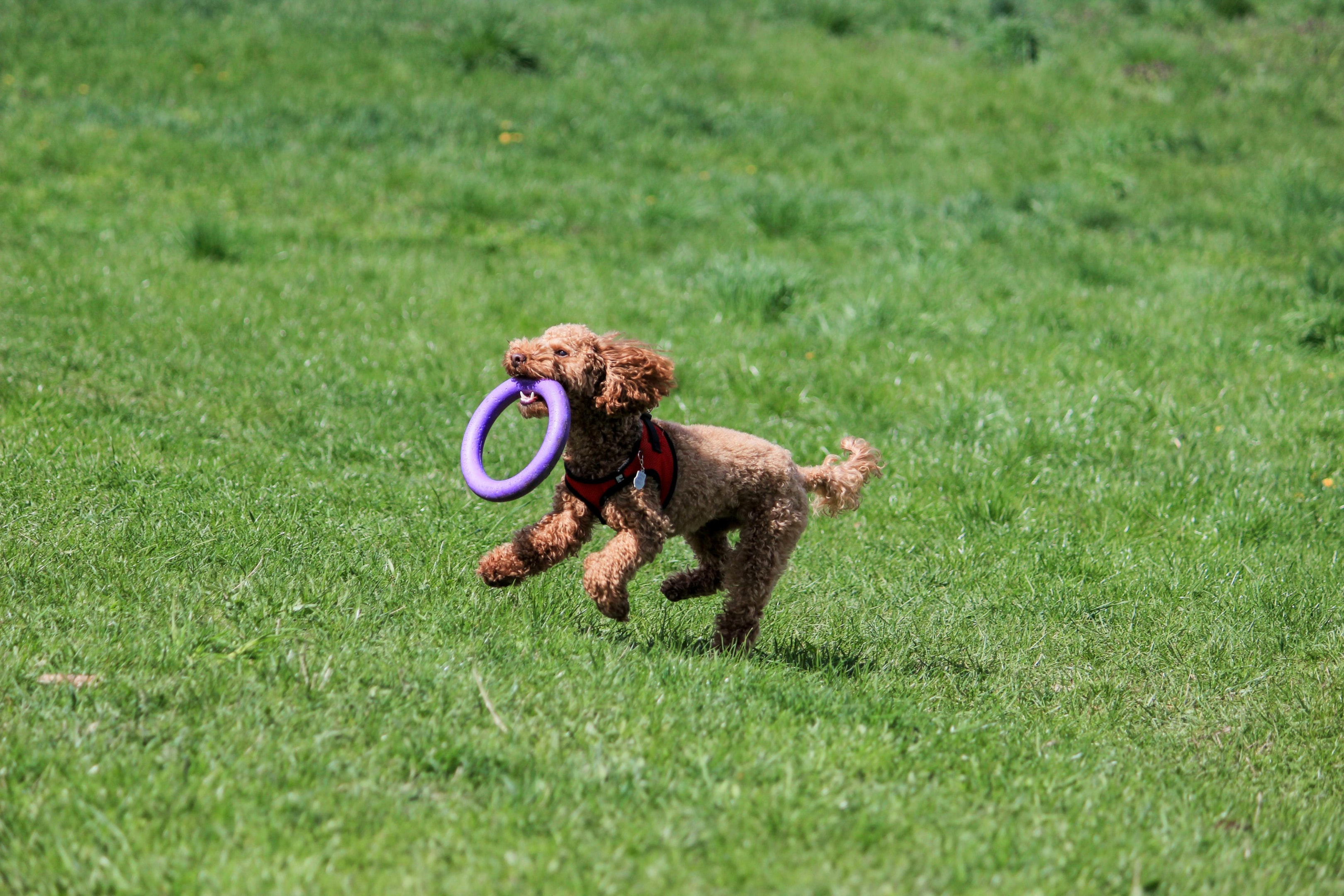
Sensitivity to touch is another common indicator of discomfort. While some dogs allow a growth to be handled without reaction, others may show subtle or obvious signs that the area feels unpleasant. This can include pulling away when touched, tensing their muscles, freezing in place, or turning their head toward your hand. In some cases, dogs may growl, lift their lips, or snap. This is particularly important if they are normally gentle. These behaviors are not signs of aggression but rather a form of communication, indicating that the area does not feel good.
Excessive Licking, Chewing, or Scratching
Dogs may also respond to discomfort by excessively licking, chewing, or scratching the area around a growth. Repeated licking or chewing can be a self-soothing behavior when something feels strange or irritating. Some dogs may rub their bodies against furniture or the floor in an attempt to relieve discomfort. Over time, persistent licking or chewing can lead to skin irritation or hot spots, adding an additional layer of discomfort that requires attention.
Behavioral and Mood Changes
Behavioral and mood changes can also signal that a dog is experiencing ongoing discomfort. Pain doesn’t just affect the body—it can influence emotions and behavior as well. A dog may become more withdrawn, less playful, or sleep more than usual. Others may avoid interaction, appear irritable or impatient, or lose interest in activities they once enjoyed. These changes are often subtle, especially in older dogs, and can be easy to overlook, but they are important clues to a dog’s overall wellbeing.
Changes in Appetite or Routine
Discomfort can disrupt a dog’s appetite and daily routine. Some dogs may eat more slowly or with less enthusiasm, especially if bending toward a food bowl causes discomfort. Others may show changes in bathroom habits or appear restless at night, struggling to find a comfortable position to rest. Pain does not need to be severe to interfere with daily habits, and even mild, ongoing discomfort can have a noticeable impact on a dog’s quality of life.
Does the Location of the Lipoma Matter?
Location plays a huge role in whether a lipoma causes discomfort. Growthss are more likely to bother dogs when they are under the armpit (rubs during walking), in the groin area, on the neck or chest (pressure from collars or harnesses), near joints, between the legs or along the spine. Even a benign, painless lipoma can become uncomfortable if it interferes with normal movement or daily activities.
How to Tell the Difference Between “Aware” and “In Pain”
Some dogs may simply be aware of a lipoma without experiencing pain. In these cases, a dog might occasionally notice the area, shift positions slightly, or show mild curiosity without appearing distressed or uncomfortable. This awareness is generally subtle and does not interfere with normal behavior or daily routines. Pain, however, tends to present differently and is more often associated with avoidance, guarding behaviors, or noticeable changes in mood and activity. As a general rule of thumb, if your dog’s behavior has changed in any way, the lump deserves attention—even if it doesn’t appear serious at first glance.
How to Lift, Carry, or Help a Dog With Large Fatty Tumors Safely
Helping a dog with a large lipoma requires extra care, even if the lump isn’t painful.
You may need to help if your dog:
-
Struggles with stairs
-
Hesitates to jump into a car
-
Has a lump near a joint or under the belly
-
Is older or heavier
-
Appears unsteady or uncomfortable
How to Lift a Small or Medium Dog With Lumps
-
Position yourself close to your dog
-
Place one arm under the chest (behind the front legs)
-
Place the other arm under the hindquarters
-
Lift smoothly, keeping the dog close to your body
If the lump is on the chest, belly, or side, adjust hand placement to avoid pressure.

How to Help a Large Dog Without Lifting
For large dogs, full lifting is often unsafe.
Instead:
-
Use a supportive harness or sling
-
Place a towel under the belly as a temporary support
-
Guide slowly with verbal reassurance
-
Assist with ramps instead of stairs
Ramps are especially helpful for dogs with lumps near the hips or shoulders.
Helping Your Dog Get Comfortable Lying Down
Dogs with large lumps may struggle to settle at varying rates.
You can help by:
-
Providing orthopedic or memory foam bedding
-
Adding rolled towels for support
-
Allowing your dog to choose sleeping positions and surfaces
-
Avoiding hard or slippery surfaces
Comfortable rest reduces strain and promotes better mobility.
When to Call the Vet
Always contact your vet if:
-
A lump suddenly becomes painful
-
Your dog cries out, yelps, or snaps when touched
-
The lump interferes with walking or breathing
-
There is rapid growth, redness, heat, or discharge
-
Your dog’s personality changes noticeably
Any of these signs require a visit to your vet. Your observations can be incredibly helpful to your veterinarian so make sure to voice them all.
Supporting Your Dog
Emotinal and Routine support
Many dogs take emotional cues from us. Staying calm, patient, and gentle helps them feel safe—even when something feels “off” in their body.
Simple ways to support your dog:
-
Maintain routines when possible
-
Use calm praise and reassurance
-
Avoid excessive hovering or worrying
-
Make adjustments quietly and consistently
Your dog doesn’t need panic they need your calm presence.
Diet Considerations
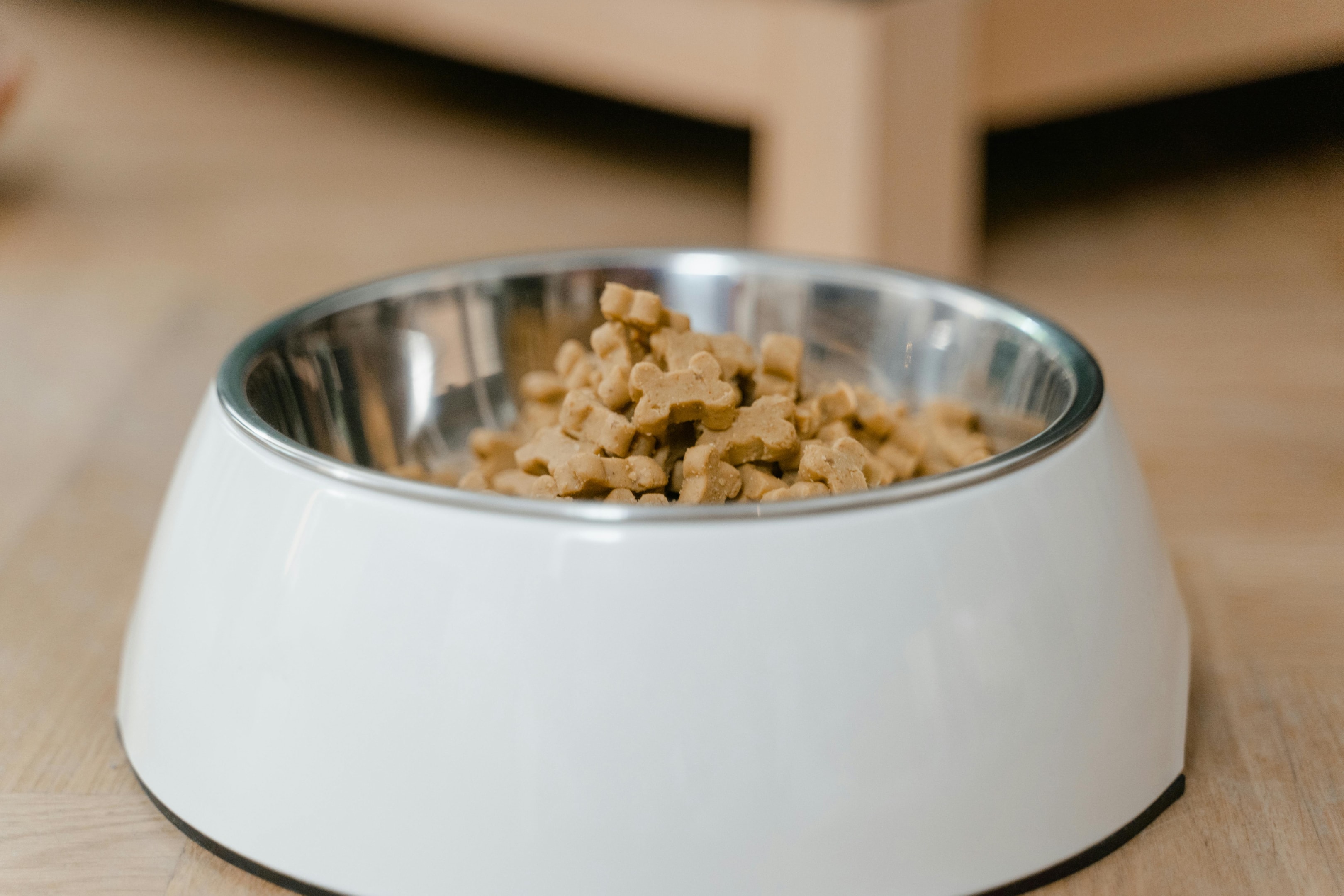
Diet plays a central role in supporting pets with lipomas, primarily by helping maintain a healthy body condition. While lipomas are benign, they are more commonly observed in overweight dogs or older pets, especially dogs. Feeding a calorie-appropriate diet that supports lean muscle mass can reduce excess fat accumulation and help prevent additional weight gain. High-quality animal protein should be a foundation of the diet, as it supports muscle maintenance and metabolic health. Fats should be present in balanced amounts—neither excessive nor overly restricted—since healthy fats are still essential for skin, coat, and hormone function.
In addition, minimizing low-nutrient fillers and highly processed foods may be beneficial for overall wellness. Many tumors in dogs are related to preservatives in highly processed foods. Many pet owners choose diets with recognizable ingredients and fewer artificial additives, focusing instead on whole-food nutrition. Portion control is equally important; even a high-quality food can contribute to weight gain if overfed. Regular body condition scoring with your veterinarian can help ensure your pet stays within a healthy range, which may reduce physical stress on the body and support long-term comfort.
Supplement Considerations
Supplements may be used as part of a broader wellness approach, but they should never replace veterinary care or a balanced diet. Omega-3 fatty acids, commonly derived from fish oil, are frequently recommended to support healthy inflammatory responses and general tissue health (Bauer, 2011). These fatty acids may also support skin, coat, and joint health, which can be especially helpful for older pets or those with mobility challenges. Dosage is important, as excessive supplementation can cause digestive upset or other imbalances.
Other supplements sometimes discussed include antioxidants, such as vitamin E, which help combat oxidative stress in the body. In some cases, veterinarians may recommend supplements that support liver function or overall metabolic and immune health, depending on the pet’s age and medical history.
Medicinal mushrooms (also called functional mushrooms) are showing promise as a good addition to a pet's health regimen if they have lipomas. Research is ongoing but anecdotal evidence points to a positive trend in supporting lipoma size reduction. Functional mushrooms are increasingly studied for their potential tumor-reducing properties due to their rich content of bioactive compounds, particularly beta-glucans, polysaccharides, triterpenes, and antioxidants. Varieties such as turkey tail (Jeong, 2005), reishi (Chang and Buswell,1999; Jin, 2016), maitake (Deng et al, 2009; Mayell, 2001), shiitake (Chang & Wasser, 2012), and chaga (Lu et al., 2021; Chen et al., 2014) have shown promise in laboratory and clinical research for their ability to support immune function, enhance natural killer (NK) cell activity, and help regulate inflammatory and oxidative processes associated with tumor growth. Rather than directly “killing” tumors, these mushrooms are believed to work primarily by modulating the immune system, improving the body’s ability to recognize and respond to abnormal cells, and potentially inhibiting angiogenesis and abnormal cell proliferation. While results are encouraging, functional mushrooms are best viewed as complementary agents within a broader, medically guided approach to cancer prevention or care, not as standalone treatments.
It’s essential to consult a veterinarian before introducing any new supplement, as interactions with medications or underlying conditions must be considered. A tailored approach ensures supplements are used safely and effectively.
Exercise and Lifestyle Considerations
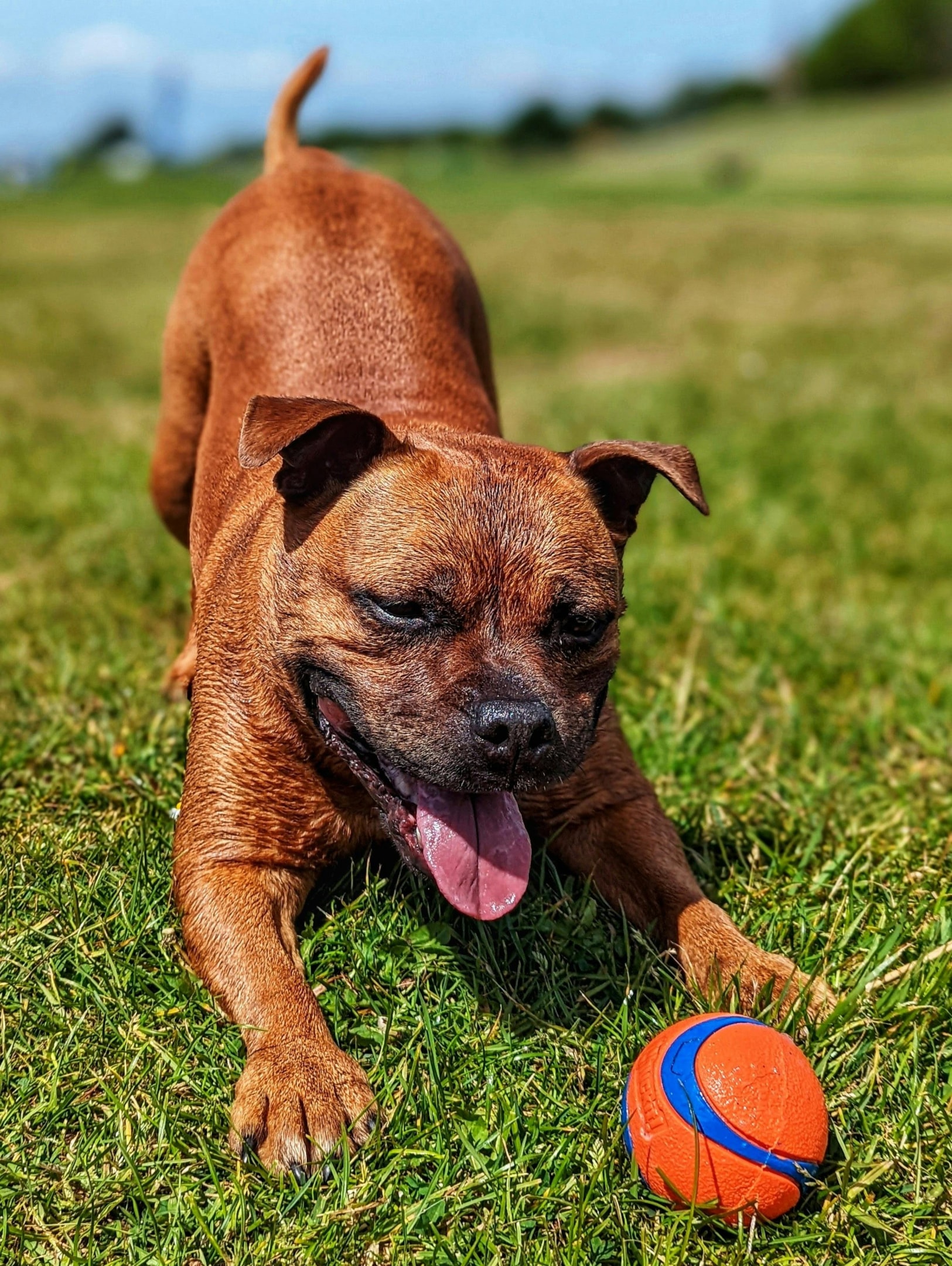
Regular exercise is a key component of supporting pets with lipomas, as it helps maintain a healthy weight and encourages good circulation. Consistent, moderate activity (like daily walks, gentle play sessions, or swimming) can help preserve muscle tone while minimizing strain on joints. Low-impact exercise is especially beneficial for senior pets or breeds prone to joint issues. The goal is consistency rather than intensity, allowing the pet to move comfortably without exhaustion.
Beyond structured exercise, an active lifestyle can be encouraged through mental stimulation and movement throughout the day. Interactive toys, short training sessions, and varied walking routes can help keep pets engaged and physically active. Maintaining mobility and muscle strength supports overall wellbeing and may improve quality of life, even if lipomas remain unchanged. As always, any exercise plan should be adapted to the pet’s age, fitness level, and veterinary recommendations.
Lipomas in Dogs and Pain: Support your Pet with this Common Condition
So, do lumps hurt dogs? Sometimes yes, sometimes no. Dogs always communicate how they feel if we know how to listen.
By paying attention to body language, movement, and behavior, you can:
-
Catch discomfort early
-
Improve daily comfort
-
Handle and assist your dog safely
-
Advocate clearly for their needs
-
Plan with your vet the dietary, exercise and supplement changes to your pet's regimen
Lumps don’t automatically mean suffering, yet comfort, dignity, and quality of life always matter. Your vet should be intrisically involved in helping you support your pet, diagnose the growth and recommend surgical removal if deemed necessary. Benign lipomas that affect mobility may need to be removed.
References
Barman, D., & Barua, A. (2023). Review on care and management of geriatric pet animals. The Pharma Innovation Journal, 12, 1281-1283.
Bauer, J. E. (2011). Therapeutic use of fish oils in companion animals. Journal of the American Veterinary Medical Association, 239(11), 1441-1451.
Chang, S. T ., & Buswell, J. A. (1999). Ganoderma lucidum (lingzhi), a mushrooming medicinal mushroom. International Journal of Medicinal Mushrooms, 11, 1319-1346.
Chang, S. T ., & Wasser, S. P . (Eds.). (2012). The role of mushrooms in the management of metabolic disorders: antioxidants and anti-inflammatory activities. CRC Press.
Chen, Y ., Huang, Y ., Cui, Z., & Liu, J. (2015). Purification, characterization and biological activity of a novel polysaccharide from Inonotus obliquus. International journal of biological macromolecules, 79, 587-594.
Deng, G., Lin, H., Seidman, A., Fornier, M., D’Andrea, G., Wesa, K., ... & Cassileth, B. (2009). A phase I/II trial of a polysaccharide extract from Grifola frondosa (Maitake mushroom) in breast cancer patients: immunological effects. Journal of cancer research and clinical oncology, 135, 1215-1221.
Hansen, B. D. (2003). Assessment of pain in dogs: veterinary clinical studies. ILAR journal, 44(3), 197-205.
Hernandez-Avalos, I., Mota-Rojas, D., Mora-Medina, P., Martínez-Burnes, J., Casas Alvarado, A., Verduzco-Mendoza, A., ... & Olmos-Hernandez, A. (2019). Review of different methods used for clinical recognition and assessment of pain in dogs and cats. International journal of veterinary science and medicine, 7(1), 43-54.
GCIMS, J. M. B. M. P. (2020). A New Leash On Life: Assistive Mobility Aids for Dogs–What to Consider and Why. Orthopaedic Physical Therapy Practice, 32(4), 247-249.
Jeong, S. C., Yang, B. K., Kim, G. N., Jeong, H., Wilson, M. A., Cho, Y ., ... &Song, C. H. (2006). Macrophage-stimulating activity of polysaccharides extracted from fruiting bodies of Coriolus versicolor (Turkey T ail Mushroom). Journal of medicinal food, 9(2), 175-181.
Jin, X., Beguerie, J. R., Sze, D. M. Y ., & Chan, G. C. (2012). Ganoderma lucidum (Reishi mushroom) for cancer treatment. Cochrane Database of Systematic Reviews, (6).
Lu, Y ., Jia, Y ., Xue, Z., Li, N., Liu, J., & Chen, H. (2021). Recent developments in Inonotus obliquus (Chaga mushroom) polysaccharides: Isolation, structural characteristics, biological activities and application. Polymers, 13(9), 1441.
Mayell, M. (2001). Maitake extracts and their therapeutic potential-a review. Alternative Medicine Review, 6(1), 48-60.
McChesney, A. E., Stephens, L. C., Lebel, J., Snyder, S., & Ferguson, H. R. (1980). Infiltrative lipoma in dogs. Veterinary Pathology, 17(3), 316-322.
Morgan, L. W. (2025). The Ubiquity of Lipomas: Seven cases illustrating pathology of subcutaneous tumors with a presumptive diagnosis of lipoma based on physical examination. Medical Research Archives, 13(2).
Wells, G., Young, K., Haskell, M. J., Carter, A., & Clements, D. (2024). Mobility, functionality and functional mobility: A review and application for canine veterinary patients. The Veterinary Journal, 305, 1-8.
Related Posts
How to compare mushroom supplements: Buddy Guard vs. Critical Immune Defense
This comparison is published by Petsmont, the maker of Buddy Guard on August 5th, 2026. Competitor information came from publicly available labels and manufacturer materials. TLDR: Summary Table Buddy Guard Critical Immune Defense ...

The Hyperthyroid Cat: A Complete Guide for Pet Owners
As cats grow older, they become more susceptible to certain age-related health conditions. Hyperthyroidism in cats is usually one of the most common endocrine disorders in senior cats. This is an overproduction of thyroid hormones that s...
Mast Cell Tumors in Dogs: Understanding One of the Most Common Skin Cancers
While many skin lumps turn out to be harmless fatty tumors or benign growths, others require prompt veterinary attention. One of the most common malignant skin tumors seen in dogs is the mast cell tumor (MCT). Mast cell tumors are often ...


Leave a comment