


Gut health in cats and dogs has become an increasingly important topic in veterinary medicine, and for good reason. The digestive system does far more than simply break down food and absorb nutrients. The pet's gut plays a vital role in overall pet health, influencing immune function, digestion, and general well being (Blake and Suchodolski, 2016).
It plays a central role in immune function, inflammation control, nutrient synthesis, and even behavior, largely due to the pet's gut microbiome. This is a diverse community of microorganisms that is essential for maintaining balance and preventing digestive and immune system issues. When a pet’s gut is healthy, many other systems in the body function better, highlighting the broader impact of gut health on animal health. When the gut is unhealthy, a wide range of problems can develop, from chronic diarrhea and skin issues to allergies, obesity, and weakened immunity. In fact, up to 80% of the immune system is located in the gut, making its health crucial for disease prevention and management (Wernimont et al., 2020). Understanding gut health is one of the most important things pet owners can do to support the long term health and well being of their cats and dogs.
The Gut Microbiome: An Internal Ecosystem
The gut is home to trillions of microorganisms, collectively known as the gut flora, including bacteria, fungi, viruses, and other microorganisms. This community is referred to as the gut microbiome. The gut microbiome composition, meaning the types and proportions of these microorganisms, plays a key role in maintaining a healthy balance within the digestive system (Suchodolski, 2022). In a healthy animal, this diverse ecosystem supports essential functions such as breaking down food, producing certain vitamins, supporting the immune system, and protecting against harmful bacteria. A diverse gut microbiome is crucial for almost every aspect of a pet's overall health. In many ways, the microbiome acts like an internal ecosystem. When that ecosystem is in a healthy balance, the animal is more likely to be healthy. When it becomes unbalanced, health problems often follow.
Gut Health and the Immune System
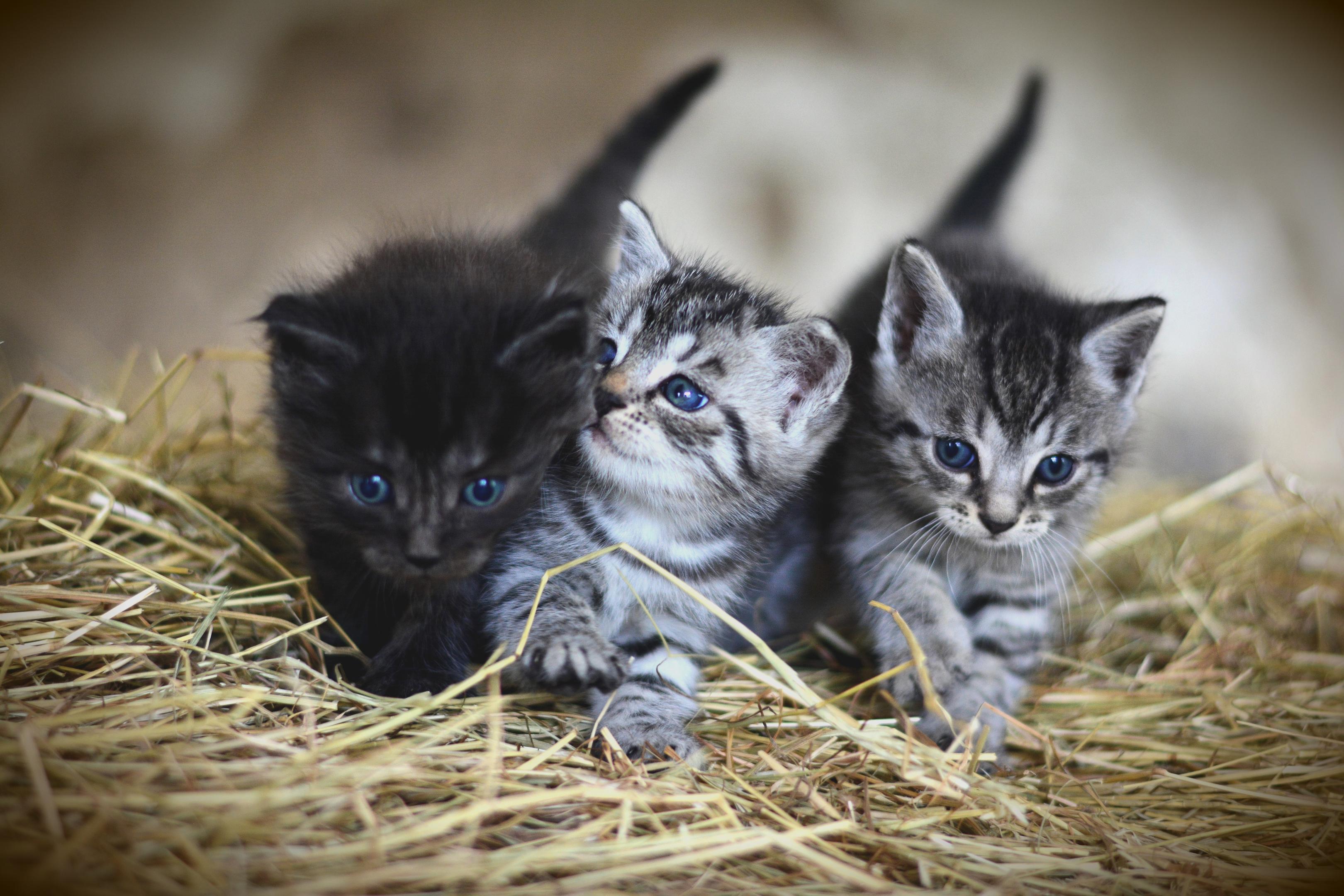
One of the most important roles of the gut is its connection to the immune system. In both cats and dogs, a large portion of the immune system, including numerous immune cells, is located in the digestive tract. This means that gut health and immune health are closely linked. A healthy gut helps the immune system and its immune cells recognize harmful pathogens and respond appropriately, while also preventing overreactions that can lead to allergies and chronic inflammation (Deng and Swanson, 2015). When the gut microbiome is disrupted, the immune system can become weakened or overactive, which may lead to frequent infections, food sensitivities, skin conditions, or autoimmune problems.
Additionally, beneficial gut bacteria produce neurotransmitters such as serotonin and GABA, which can affect mood regulation (Sacoor et al., 2024).
Nutrient Absorption and Digestive Efficiency
Gut health also affects how well pets absorb essential nutrients from their food, playing a crucial role in the efficiency of the dog's digestive system. Even if a cat or dog is eating high quality pet food, poor gut health can prevent proper digestion and absorption. Additionally, low quality fillers and high carbohydrate diets in pet food can overwhelm a pet's digestive enzymes, further hindering nutrient absorption. This can lead to nutrient deficiencies, weight loss, dull coat, low energy, and poor muscle development (Valdez, 2017). In some cases, pets may eat more food than usual because their bodies are not absorbing enough nutrients, yet they still appear thin or unhealthy. Supporting gut health helps ensure that pets actually benefit from the food they eat.
Inflammation and “Leaky Gut”
Another important aspect of gut health is inflammation. Chronic inflammation in the gastrointestinal tract (GI tract) can damage the intestinal lining and lead to a condition often referred to as “leaky gut.” This occurs when the intestinal barrier becomes damaged and allows toxins, disease causing bacteria, and undigested food particles to pass into the bloodstream (Ural et al., 2024). The immune system then reacts to these particles, causing inflammation throughout the body. The gut microbiome also plays a crucial role by converting complex fibers and carbohydrates into short chain fatty acids, which provide energy to colon cells and support gut health. This systemic inflammation can contribute to many health problems, including skin allergies, ear infections, joint pain, digestive issues, and chronic disease. Maintaining a healthy gut helps protect the intestinal lining and reduces the risk of chronic inflammation.
The Gut-Brain Connection
The gut also has a surprising connection to the brain. This relationship is often called the gut-brain axis. The digestive system and the brain communicate through nerves, hormones, and chemical signals produced by gut bacteria. Because of this connection, gut health can influence mood, behavior, and stress levels in pets. Some research suggests that an unhealthy gut microbiome may contribute to behavioral issues such as anxiety, nervous behavior, and even sudden aggression in dogs (Sacoor et al., 2024). While behavior is influenced by many factors, gut health may play a larger role than many people realize.
A consistent routine and a quiet space can help manage stress in pets, which supports gut health.
Unique Gut Health Considerations for Cats and Dogs
Cats and dogs have unique digestive systems and nutritional requirements, which means their gut health needs are not the same. Cats, as obligate carnivores, thrive on diets rich in animal protein and fat, while dogs, being omnivores, require a more varied mix of protein, fat, and carbohydrates. These differences influence the composition of their gut microbiome, the community of beneficial bacteria and other microbes that support digestion and immune function.
A healthy gut microbiome is essential for both species, as it helps break down food, supports immune function, and produces short chain fatty acids that nourish the cells lining the digestive tract. However, poor gut health can disrupt this balance, leading to issues such as inflammatory bowel disease, chronic diarrhea, and skin problems. Factors like inappropriate diet, stress, and genetics can all impact the diversity and balance of gut bacteria, making some pets more susceptible to gut health problems.
For pet owners, understanding these unique needs is key to supporting a healthy gut. Choosing species appropriate diets, minimizing stress, and working with a veterinarian to address any digestive concerns can help maintain a healthy gut microbiome and prevent health issues related to poor gut health.
Food Allergies and Sensitivities
Food allergies and sensitivities are common culprits behind gut health issues in pets, often leading to digestive problems, itchy skin, and even behavioral changes. When a pet’s immune system reacts to certain ingredients (such as beef, dairy, or soy) it can trigger inflammation in the digestive tract and disrupt the gut microbiome. This can result in symptoms like chronic diarrhea, vomiting, ear infections, and persistent itching (Blake and Suchodolski, 2016).
Pet owners can spot potential food allergies by monitoring for these signs and working with their veterinarian to identify the offending ingredients. An elimination diet, where suspected allergens are removed and then gradually reintroduced, can help pinpoint the cause. Switching to a novel protein source or a specially formulated diet may also help restore a healthy gut and reduce digestive issues.
In addition, adding beneficial microbes such as probiotics to the pet’s diet can support immune health and help rebalance the gut microbiome. By addressing food allergies and sensitivities, pet owners can help their pets achieve a healthier gut, improved digestion, and better overall well-being.
What Damages Gut Health in Pets
There are many factors that can negatively affect gut health in cats and dogs. One of the most common is poor diet, especially when it comes to your dog's food. Diets that are highly processed, low in fiber, or made with low quality ingredients may not support a healthy microbiome and can encourage the growth of bad bacteria. Pet parents should avoid giving their pets processed foods to help maintain a healthy gut and support their pet's health. For overweight dogs, a high protein, low carbohydrate diet is important for promoting a healthy gut microbiome and achieving a healthy weight. Sudden changes in diet can also disrupt the balance of good and bad bacteria in your dog's gut and cause digestive upset such as diarrhea or vomiting. If you notice symptoms like vomiting or diarrhea, it's essential to consult your veterinarian. Adding beneficial bacteria is especially useful for dogs whose gut microbiomes lack sufficient diversity.
Antibiotics are another major factor that can disrupt gut health. While antibiotics are sometimes necessary to treat infections, they often kill beneficial bacteria along with harmful bacteria (bad bacteria), which can lead to an imbalance in the dog's microbiome. This imbalance in your dog's gut can compromise your dog's gut health and make them more susceptible to illness. Maintaining a balanced gut microbiome is important for disease prevention and keeping your pet healthy.
Stress can also have a significant impact on gut health. Changes in environment, travel, boarding, new pets, new family members, or changes in routine can all cause stress in cats and dogs. Stress affects digestion and can alter the balance of bacteria in the gut, impacting your pet's health and your dog's gut health. This is why some pets develop diarrhea or digestive issues during stressful events. Managing stress and maintaining a consistent routine can help support digestive health and overall well being.
Signs of Gut Health Issues
Signs of poor gut health in pets are not always limited to obvious digestive problems. While diarrhea, constipation, gas, and vomiting are common signs, there are many other symptoms that may be related to your pet's gut health. These include itchy skin, chronic ear infections, paw licking, bad breath, excessive shedding, dull coat, low energy, frequent infections, and food sensitivities. Because the pet's gut is connected to so many systems in the body, gut imbalance can show up in many different ways.
To help keep your dog's gut flora thriving, consider offering treat foods like sweet potatoes, eggs, berries, and lean meats as part of their diet.
How to Support Gut Health in Cats and Dogs
Supporting gut health in cats and dogs involves several key factors, with a balanced and nutrient rich dog's diet being the most important. A high quality diet that is appropriate for the animal’s species, age, and health condition is essential. Diets that include adequate protein, healthy fats, digestible carbohydrates, and dietary fiber help support beneficial gut bacteria (Li et al., 2017). Dietary fiber is especially important because it feeds beneficial bacteria and helps maintain healthy digestion. Including prebiotic foods such as plain pumpkin or sweet potatoes in your dog's diet can help feed beneficial gut bacteria and promote a healthy gut microbiome. Some pet foods include prebiotics, which are types of fiber that specifically support beneficial bacteria in the gut.
Adding good bacteria through probiotics is another effective way to support gut health, especially for pets whose gut microbiomes lack sufficient diversity. Supplementing with probiotics can help restore balance after disruptions like antibiotic use or illness, ultimately improving digestion, immune function, and behavior. In some cases, fecal microbiota transplantation (FMT) is a method that can help restore a healthy gut microbiome in pets.
Hydration is another important factor in digestive health. Water helps move food through the digestive system and supports nutrient absorption. Dehydration can lead to constipation and digestive discomfort. Cats in particular are often prone to low water intake, especially if they eat only dry food. Providing fresh water at all times and including wet food in a cat’s diet can help support hydration and digestive health (Zhang et al., 2022).
Regular exercise also plays a role in gut health, especially for dogs. Exercise helps stimulate normal intestinal movement and supports overall metabolism and immune function. Dogs that do not get enough exercise may be more prone to constipation and weight gain, both of which can affect digestive health. Exercise also helps reduce stress, which indirectly benefits the gut.
Avoiding unnecessary antibiotics and medications can also help protect gut health. While medications are sometimes necessary, overuse can disrupt the microbiome and lead to long term digestive issues. Pet owners should always follow veterinary guidance when using medications and discuss ways to support gut health during and after treatment.

Supplements That Support Gut Health
In addition to a balanced diet, certain supplements can help support gut health in cats and dogs, especially for pets with digestive issues, those recovering from illness, or pets that have taken antibiotics. Maintaining optimal gastrointestinal health is crucial, as imbalances can lead to conditions such as diarrhea or even more serious issues like inflammatory bowel disease (IBD). Probiotics are among the most commonly used supplements for gut health. These are beneficial bacteria that help restore balance in the gut microbiome, improve stool quality, support digestion, and strengthen the immune system (Yang and Wu, 2023). Understanding your pet’s gut microbiome composition is important, as a diverse and balanced microbial community is linked to better health outcomes and can help prevent or manage gastrointestinal diseases. Many veterinarians recommend probiotics during times of stress, diet changes, antibiotic treatment, or for pets with chronic digestive problems. Prebiotics are also important, as they serve as food for beneficial gut bacteria and help them grow and thrive in the digestive tract. Probiotics are beneficial bacteria that help restore balance in the microbiome. They can be especially useful after antibiotic treatment, during times of stress, or for pets with chronic digestive issues. However, not all probiotics are the same, and products specifically designed for cats and dogs are usually recommended rather than human probiotics. When used appropriately, probiotics can help improve stool quality, digestion, and immune function. Human studies provide relevant insights into gastrointestinal health and diarrhea management across species, which can inform approaches to supporting gut health in pets.
Digestive enzymes are another supplement that can support gut health, particularly in older pets or animals with digestive disorders. Digestive enzymes help break down proteins, fats, and carbohydrates so they can be more easily absorbed by the body (Nicolas et al., 2026). This can reduce gas, bloating, and digestive discomfort while improving nutrient absorption. Omega-3 fatty acids, commonly found in fish oil, can also support gut health by reducing inflammation in the digestive tract and supporting the intestinal lining (Kayser, 2023). A healthier intestinal lining helps prevent irritation and supports proper digestion and immune function.
Functional mushrooms are becoming increasingly popular as gut health supplements for pets because many of them act as natural prebiotics. Mushrooms such as reishi, turkey tail, lion’s mane, and chaga contain beta-glucans and other fibers that feed beneficial gut bacteria and help support a healthy microbiome (Cho et al., 2022). In addition to supporting gut bacteria, functional mushrooms may also help support immune function, reduce inflammation, and improve overall health. Because the gut and immune system are closely connected, supplements that support both areas can have a significant impact on a pet’s overall well being (Kayser, 2023). When choosing any supplement, it is important for pet owners to select products specifically made for cats and dogs and to consult with a veterinarian before starting new supplements, especially if a pet has existing health conditions.
Fecal Microbiota Transplantation as a Treatment Option
Fecal microbiota transplantation (FMT) is an innovative treatment gaining attention in veterinary medicine for pets with chronic digestive health issues, such as inflammatory bowel disease. This procedure involves transferring fecal material from a healthy donor into the patient’s digestive tract, with the goal of restoring a balanced gut microbiome and increasing the population of beneficial bacteria.
FMT can help reestablish a healthy gut environment, reduce inflammation, and improve overall digestive health. Early studies in both dogs and humans have shown promising results, particularly for pets who have not responded to conventional treatments. By supporting the growth of beneficial bacteria, FMT may help reduce the risk of chronic disease and promote a healthier life for pets struggling with persistent gut health problems (Cantas et al., 2025).
Because FMT is still a relatively new approach, it’s important for pet owners to consult with their veterinarian to discuss whether this treatment is appropriate for their pet’s specific health issues. With proper veterinary guidance, FMT can be a valuable tool in supporting overall health and well-being by restoring a healthy gut microbiome.
A Cat and Dog's Gut Health and Long-Term Wellness
Maintaining gut health is not just about preventing digestive problems. It is about supporting the entire body, especially the GI tract, which plays a crucial role in overall health. A healthy gut contributes to a strong immune system, healthy skin and coat, proper weight management, good energy levels, and overall longevity. Many chronic health issues in pets may have some connection to gut health, which is why this topic has become such an important focus in modern veterinary care.
In recent years, there has been growing interest in the idea that many diseases actually begin in the gut. While not every health problem is caused by gut issues, the gut and GI tract often play a role in inflammation, immune response, and nutrient absorption, which are factors involved in many diseases. By supporting gut health early in life, pet owners may be able to reduce the risk of certain chronic conditions later on and improve their dog's health.
Puppies and kittens in particular benefit from early gut health support. The microbiome begins developing at birth and continues to develop during early life. Diet, environment, stress, and medications during this period can influence the development of the microbiome for the rest of the animal’s life. Feeding a balanced diet, minimizing unnecessary medications, and reducing stress during early life can help establish a healthy microbiome, setting the foundation for a healthy dog.
Senior pets can also benefit greatly from gut health support. As animals age, digestion can become less efficient, and the microbiome may change. Older pets may have more difficulty absorbing nutrients, maintaining weight, and supporting immune function. Diets that are easy to digest and support gut bacteria can help senior pets maintain better health and energy levels, contributing to a healthy dog throughout all life stages.
The Importance of Gastrointestinal Health in Overall Wellness
Ultimately, gut health is one of the foundations of overall health in cats and dogs. The digestive system is not an isolated system; it is connected to the immune system, the brain, the skin, and many other parts of the body. When the gut is healthy, the rest of the body is more likely to function properly. When the gut is unhealthy, many different health problems can develop.
For pet owners, focusing on gut health is one of the most effective ways to support long-term health and prevent disease. Providing a balanced diet, ensuring proper hydration, minimizing stress, using probiotics when appropriate, and working with a veterinarian to manage medications can all help maintain a healthy gut. Small daily choices can have a big impact on a pet’s digestive health and overall well-being.
In the end, gut health is not just about digestion. It is about the immune system, inflammation, behavior, skin health, energy levels, and longevity. A healthy gut helps cats and dogs live healthier, more comfortable lives, and it is one of the most important areas pet owners should focus on when caring for their pets.

References
Blake, A. B., & Suchodolski, J. S. (2016). Importance of gut microbiota for the health and disease of dogs and cats. Animal Frontiers, 6(3), 37-42.
Cantas, L., Goll, R., Fenton, C. G., Paulssen, R. H., & Sørum, H. (2025). Impact of fecal microbiota transplantation in dogs. Frontiers in Veterinary Science, 12, 1505226.
Cho, H. W., Choi, S., Seo, K., Kim, K. H., Jeon, J. H., Kim, C. H., ... & Chun, J. L. (2022). Gut microbiota profiling in aged dogs after feeding pet food contained Hericium erinaceus. Journal of animal science and technology, 64(5), 937.
Deng, P., & Swanson, K. S. (2015). Gut microbiota of humans, dogs, and cats: current knowledge and future opportunities and challenges. British Journal of Nutrition, 113(S1), S6-S17.
Honneffer, J. B., Minamoto, Y., & Suchodolski, J. S. (2014). Microbiota alterations in acute and chronic gastrointestinal inflammation of cats and dogs. World journal of gastroenterology: WJG, 20(44), 16489.
Kayser, E. (2023). Evaluation of functional ingredients on glycemic response, fecal metabolites, fecal microbiota, systemic oxidative stress and inflammation, and nutrient digestibility in companion animal nutrition (Doctoral dissertation, University of Illinois at Urbana-Champaign).
Li, Q., Lauber, C. L., Czarnecki-Maulden, G., Pan, Y., & Hannah, S. S. (2017). Effects of the dietary protein and carbohydrate ratio on gut microbiomes in dogs of different body conditions. MBio, 8(1), 10-1128.
Nicolas, C. S., Lloret, F., Carton, T., Beuvin, L., & Rème, C. A. (2026). Beneficial effects of a prebiotic-postbiotic supplement on digestive health and fecal microbiota in dogs and cats. Frontiers in Veterinary Science, 13, 1797178.
Sacoor, C., Marugg, J. D., Lima, N. R., Empadinhas, N., & Montezinho, L. (2024). Gut‐Brain Axis Impact on Canine Anxiety Disorders: New Challenges for Behavioral Veterinary Medicine. Veterinary medicine international, 2024(1), 2856759.
Suchodolski, J. S. (2022). Analysis of the gut microbiome in dogs and cats. Veterinary clinical pathology, 50, 6-17.
Ural, K., Erdoğan, H., & Erdoğan, S. (2024). Small Intestinal Bacterial Overgrowth, Presumed Leaky Gut and Giardiasis Comorbidity in a Cat: Gut-Brain Axis Could Have Been Influenced by Triple Infection. Turkish Journal of Veterinary Internal Medicine, 3(1), 25-31.
Valdez Lumbreras, A. E. (2017). Interactions between diet and gut health in dogs.
Wernimont, S. M., Radosevich, J., Jackson, M. I., Ephraim, E., Badri, D. V., MacLeay, J. M., ... & Suchodolski, J. S. (2020). The effects of nutrition on the gastrointestinal microbiome of cats and dogs: impact on health and disease. Frontiers in Microbiology, 11, 1266.
Yang, Q., & Wu, Z. (2023). Gut probiotics and health of dogs and cats: benefits, applications, and underlying mechanisms. Microorganisms, 11(10), 2452.
Zhang, L., Yang, K., Jian, S., Xin, Z., Wen, C., Zhang, L., ... & Deng, J. (2022). Effects of softening dry food with water on stress response, intestinal microbiome, and metabolic profile in Beagle dogs. Metabolites, 12(11), 1124.
Related Posts

Diabetes in Dogs and Cats
Diabetes mellitus is a common endocrine disease in dogs and cats. While a diabetes diagnosis can initially feel overwhelming, many diabetic pets can continue to enjoy a good quality of life with appropriate veterinary care and consistent...

How to compare mushroom supplements: Buddy Guard vs. Critical Immune Defense
This comparison is published by Petsmont, the maker of Buddy Guard on August 5th, 2026. Competitor information came from publicly available labels and manufacturer materials. TLDR: Summary Table Buddy Guard Critical Immune Defense ...

The Hyperthyroid Cat: A Complete Guide for Pet Owners
As cats grow older, they become more susceptible to certain age-related health conditions. Hyperthyroidism in cats is usually one of the most common endocrine disorders in senior cats. This is an overproduction of thyroid hormones that s...


Leave a comment