


Mushrooms have become increasingly popular in the world of pet wellness, and for good reason. Certain medicinal mushrooms contain naturally occurring compounds that may help support immune function, cellular health, and the body's ability to manage oxidative stress. Among these compounds is one that is receiving growing attention in nutritional and aging research: ergothioneine.
Sometimes referred to as the longevity vitamin, ergothioneine is a naturally occurring amino acid derivative found in particularly high concentrations in certain mushrooms. Although research into its benefits for dogs is still developing, scientists are becoming increasingly interested in how this unique compound may help protect cells from everyday damage and support healthy aging.
So, what exactly is ergothioneine, why are mushrooms such an important source, and what could it mean for our canine companions?
What Is Ergothioneine?
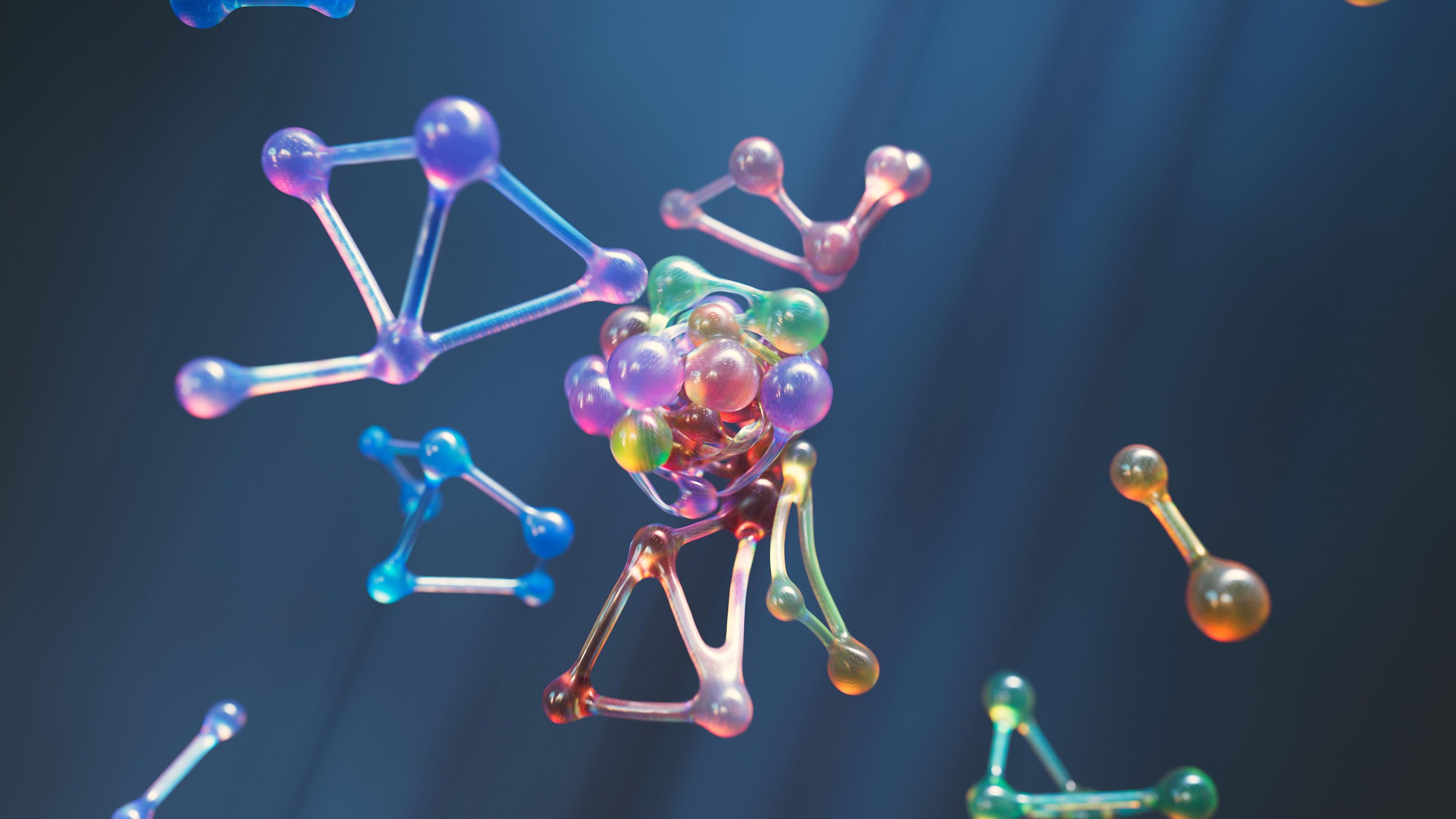
L-ergothioneine (often abbreviated as EGT) is a naturally occurring, sulfur containing amino acid derivative. It is produced by certain microorganisms, including fungi and bacteria. There is a distinct biosynthetic pathway for ergothioneine biosynthesis, but interestingly, dogs and other mammals cannot make it themselves. Instead, they obtain ergothioneine through their diet, so its presence in the body depends on food intake and fits naturally within a healthy diet (Tian et al, 2023).
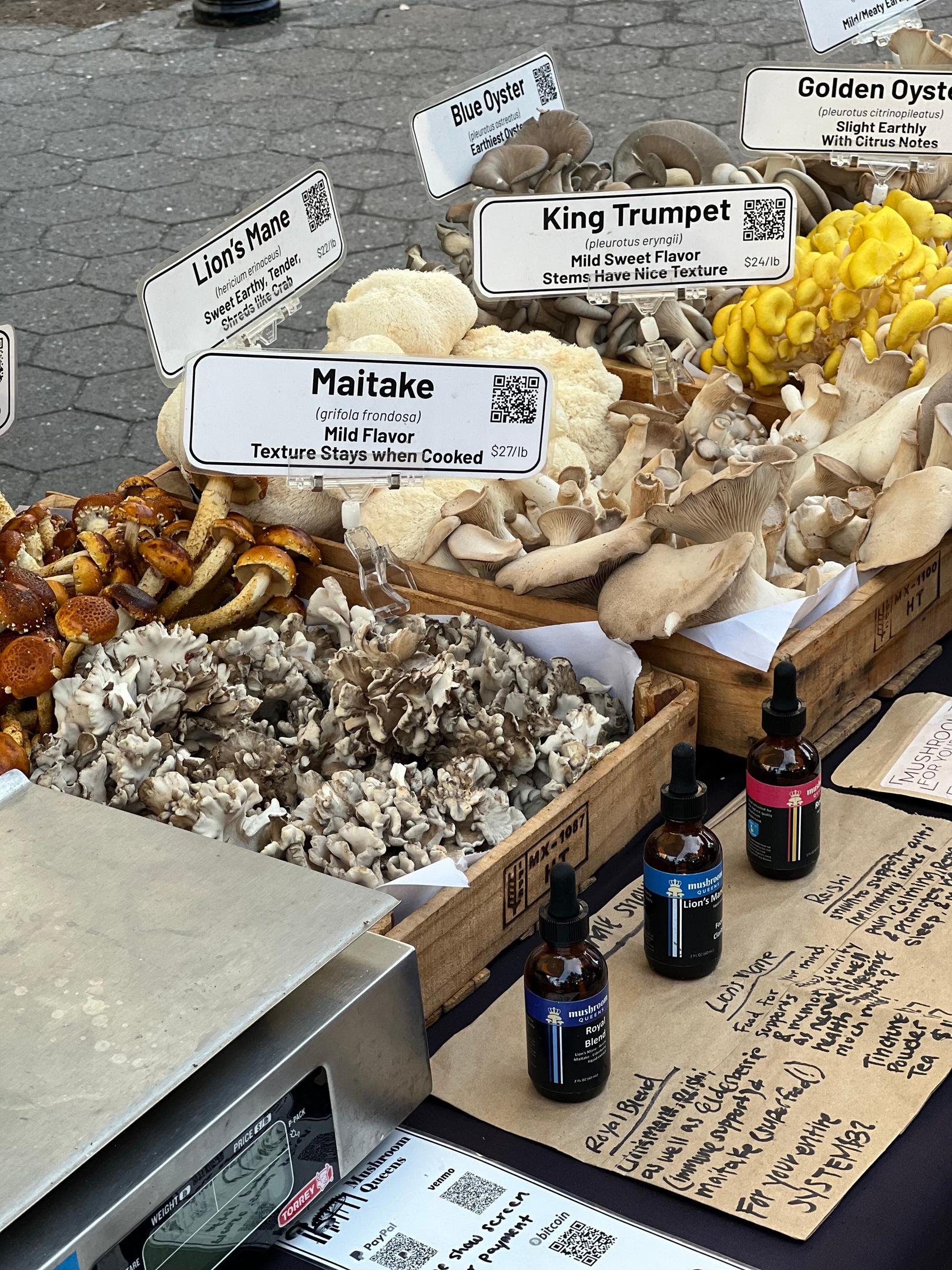
Mushrooms are particularly interesting because they are the richest known dietary source of ergothioneine. Oyster mushrooms can contain up to 10.65 mg/g, shiitake mushrooms contain about 1 mg/g, and smaller amounts also occur in kidney and liver meats plus trace amounts in legumes, oats, and meat from animals raised on ergothioneine rich feed. Some varieties contain considerably higher concentrations than other foods, making mushroom derived ingredients an appealing way to introduce this compound into a nutritional supplement.
Unlike many antioxidants that are quickly used up when they neutralize free radicals, ergothioneine has a relatively stable chemical structure. This means it is less prone to oxidation and can remain available within the body for longer periods. Researchers have become particularly interested in this characteristic because it may allow ergothioneine to provide ongoing support against oxidative stress.
Some researchers have proposed that ergothioneine could function almost like a vitamin because of its dietary origin, biological importance, and specialized absorption system. Although it has not been formally classified as an essential vitamin, it has been described as a possible stress vitamin, which highlights just how interesting the compound is from a nutritional perspective.
Why Is Ergothioneine Important for Cellular Health?
To understand why ergothioneine is attracting so much attention, it helps to understand oxidative stress.
Every day, a dog's body carries out thousands of essential biological processes. During normal metabolism, cells produce molecules called free radicals and other reactive oxygen species (ROS). These molecules are not necessarily harmful in small amounts. In fact, the body uses them for normal functions, including cellular communication and immune defense.
Problems can arise when too many reactive molecules accumulate, and the body's natural antioxidant defenses cannot keep up. This imbalance is known as oxidative stress. Think of it as a form of cellular wear and tear. Over time, excessive oxidative stress can damage important cellular components, including:
-
Cell membranes: Oxidative damage can affect the fatty structures that surround and protect cells.
-
Proteins: Oxidation can alter the structure and function of proteins responsible for carrying out essential biological processes.
-
DNA: Oxidative damage can affect genetic material and contribute to cellular dysfunction.
-
Mitochondria: These structures produce the energy cells need to function and are particularly important when discussing cellular aging.
This is where ergothioneine becomes interesting.Research suggests that ergothioneine can help neutralize certain reactive oxygen and nitrogen species, bind potentially harmful metal ions, and protect cells against oxidative damage. These properties are collectively described as antioxidant and cytoprotective activities.
In simpler terms, ergothioneine may help protect the body's cells from some of the everyday chemical stress they experience at the cellular level, which may help limit processes that contribute to cell death.
What Makes Ergothioneine Different From Other Antioxidants in Combating Oxidative Stress?
Dogs already have several natural antioxidant defense systems, including glutathione, superoxide dismutase, and catalase. These systems help maintain a healthy balance between free radicals and protective molecules. So, what makes ergothioneine different?
One of its most interesting features is that the body has a specialized transport system designed specifically to absorb and retain it. This transport protein is known as OCTN1, the ergothioneine transporter, also known as SLC22A4. You can think of OCTN1 as a doorway that allows ergothioneine to enter certain cells and tissues (Cheah and Halliwell, 2020). Gründemann et al. (2012) identified ergothioneine as a key elemnt of OCTN1/SLC22A4.
Rather than simply circulating through the bloodstream and being rapidly eliminated, this transporter drives cellular uptake of ergothioneine at very high levels, with OCTN1 increasing uptake by up to 600 fold compared to other counterparts.
Another interesting feature is its chemical stability. Ergothioneine predominates in the thione form at physiological pH, which contributes to its antioxidant properties and makes it relatively resistant to oxidation compared with many other sulfur containing antioxidants (Cheah and Halliwell, 2020).
Together, its specialized transport system and chemical stability make ergothioneine an especially interesting compound in the study of cellular protection and healthy aging.
What Do We Know About Ergothioneine and Mushroom Supplements in Dogs?
Although much of the research on ergothioneine has been conducted in humans and laboratory models, there is growing interest in understanding how mushroom derived compounds may benefit companion animals. One important distinction is that ergothioneine itself has not yet been extensively studied as an oral supplement in dogs. We have promising information about its biological activity in other species, but we still need controlled canine studies to determine the ideal dosage, absorption, and specific health benefits. However, researchers have started investigating the effects of mushroom supplementation in dogs, and some of the findings are encouraging.
Shiitake mushrooms and antioxidant activity
A 2024 study published in Frontiers in Veterinary Science investigated the effects of shiitake mushroom powder supplementation in healthy dogs. The researchers supplemented dogs with shiitake powder for four weeks and evaluated several health related measurements, including cholesterol levels and markers of antioxidant activity.
The results showed a significant reduction in plasma total cholesterol, and increased activity of superoxide dismutase (SOD), an important antioxidant enzyme that helps neutralize harmful free radicals. It also increased expression of SIRT1, a gene associated with cellular metabolism, stress responses, and pathways involved in healthy aging (Kusaba, 2024).
These findings are particularly interesting because they suggest that mushroom supplementation may influence some of the body's own natural antioxidant defense mechanisms, rather than simply providing additional antioxidant compounds.
It is important to remember that this was a relatively short study in healthy dogs. It does not establish that shiitake mushrooms prevent age related disease or extend lifespan, but it provides useful preliminary evidence that mushroom derived ingredients can influence measurable biological processes in dogs.
Lion's Mane mushrooms and the canine gut microbiome
Another interesting area of research involves Lion's Mane (Hericium erinaceus), a mushroom recognized for its diverse collection of bioactive compounds. Lion's Mane contains several naturally occurring substances, including polysaccharides, beta-glucans, erinacines, hericenones, and ergothioneine.
A study published in 2022 investigated the effects of Lion's Mane supplementation on the gut microbiome of senior dogs. Eighteen senior dogs participated in the 16-week study, receiving either a control diet or diets containing different amounts of Lion's Mane. Researchers observed changes in the composition of the gut microbiome, particularly in the group receiving the higher supplementation level. Certain bacterial populations increased, while others decreased (Cho et al., 2022).
This is important because the gut microbiome is closely connected to digestion, immune function, nutrient metabolism, and overall health. Maintaining a balanced microbial community may therefore be an important part of supporting a dog's overall wellness as they age.
Although the study did not establish that Lion's Mane improved clinical health outcomes, it offers an interesting example of how mushroom derived ingredients may influence biological processes beyond antioxidant activity.
Ergothioneine Is Only One Part of the Mushroom Story
While ergothioneine deserves attention, it is important not to overlook the other naturally occurring compounds found in medicinal mushrooms. Different mushroom species contain different combinations of bioactive substances, meaning that their potential benefits extend beyond a single antioxidant.
Some of the most interesting compounds include:
1. Beta-glucans
Beta-glucans are naturally occurring polysaccharides (complex carbohydrates) found in the cell walls of mushrooms.They are particularly interesting because of their ability to interact with the immune system.Certain beta-glucans can bind to receptors on immune cells, including macrophages and other immune related cells. This interaction helps the body recognize and respond to these compounds, potentially influencing immune activity.
2. Polysaccharides
Polysaccharides are larger carbohydrate molecules that occur naturally in mushrooms. Some have demonstrated antioxidant, immunomodulatory, and anti-inflammatory properties in laboratory and animal studies.
3. Hericenones and erinacines
These compounds are particularly associated with Lion's Mane mushrooms. They have attracted scientific interest because of their potential relationship with nerve growth factor (NGF), a protein involved in the development, maintenance, and survival of certain nerve cells. Much of this research is still preclinical, meaning that findings from laboratory and animal models should not automatically be interpreted as proven neurological benefits in dogs.
4. Triterpenes
Certain mushrooms, particularly Reishi (Ganoderma lucidum), contain naturally occurring triterpenes. These compounds have been investigated for their antioxidant, anti-inflammatory, and immunomodulatory properties.
Together, these compounds help explain why medicinal mushrooms are often considered multifunctional nutritional ingredients. Rather than relying on one isolated substance, mushroom supplements may provide several different bioactive compounds that interact with biological systems in different ways.
How Could Ergothioneine Support Healthy Aging in Dogs?
One of the most promising areas of ergothioneine research involves its potential relationship with healthy aging. As dogs grow older, their bodies experience gradual changes in cellular function, metabolism, immune activity, and the ability to repair everyday damage. Oxidative stress is one of several biological processes associated with aging. Although it is not the sole cause of age related decline, excessive oxidative damage can contribute to cellular dysfunction over time.
Because ergothioneine has antioxidant and cytoprotective properties, researchers are investigating whether maintaining adequate levels of this compound could help protect cells during the aging process. In human health research, ergothioneine levels appear to decrease with age and have been associated with greater frailty as well as reduced cardiovascular disease risk when levels are higher (Kusaba, 2024).
There are several areas of interest:
Cellular protection: Ergothioneine may help protect cellular components from oxidative damage, supporting the maintenance of normal cell function.
Mitochondrial health: Mitochondria are responsible for producing much of the energy cells need. They are also involved in processes associated with oxidative stress. Researchers are exploring whether ergothioneine may help protect mitochondrial function.
Brain health: The brain is particularly sensitive to oxidative damage because of its high metabolic activity. Ergothioneine's ability to enter certain tissues through specialized transport mechanisms has generated interest in its potential neuroprotective properties, and human observational research has linked low plasma ergothioneine and lower plasma ergothioneine levels with later cognitive decline in older adults, suggesting a possible relationship with cognitive function.
Healthy inflammatory responses: Oxidative stress and inflammation are closely interconnected. By helping manage oxidative stress, ergothioneine may influence some of the biological pathways involved in inflammatory responses.
These are promising research directions, but it is important to distinguish potential mechanisms from demonstrated clinical outcomes. We do not yet have sufficient canine clinical evidence to say that ergothioneine supplementation prevents cognitive decline, protects against neurodegenerative disease, or extends a dog's lifespan, and associations involving plasma ergothioneine levels in people do not prove that increasing intake will produce the same outcomes in dogs (Kusaba, 2024).
Nevertheless, its biological characteristics make it an interesting compound to investigate in the context of canine longevity and cellular health.
Why Mushroom Quality Matters in Supplements for Dogs
Not all mushroom supplements are created equal. In fact, the way mushrooms are grown, harvested, processed, and extracted can influence the concentration and availability of their naturally occurring compounds. This is particularly important when discussing ergothioneine.
The amount of ergothioneine found in mushrooms varies depending on the species, growing conditions, and processing methods, and mushroom consumption influences dietary ergothioneine intake because different species can contain very different amounts. Some mushrooms naturally contain higher concentrations than others, while shiitake may still provide meaningful amounts even when levels are lower than in some other species, and even mushrooms belonging to the same species can have different nutritional profiles.
Mushrooms can produce ergothioneine themselves, which helps explain why they are such concentrated food sources and why ergothioneine intake from mushrooms can differ so much from most other foods. In fungi, ergothioneine biosynthesis occurs through a biosynthetic pathway, which is one reason cultivation and processing can influence final ergothioneine content.
When evaluating a mushroom supplement for dogs, there are several things worth considering:
-
Mushroom species
Different mushroom species contain different concentrations of ergothioneine and other bioactive compounds. A blend of mushrooms may offer a broader range of naturally occurring constituents than a single mushroom species, although the benefits depend on the actual formulation.
-
Fruiting bodies versus mycelium
The fruiting body is the visible mushroom structure, while mycelium is the network of fungal filaments that grows through the substrate.
Both can contain beneficial compounds, but their nutritional and chemical profiles can differ. The amount of ergothioneine, beta-glucans, and other bioactive substances depends on the specific fungal material being used. It is therefore important to look beyond the word mushroom on a supplement label and understand which parts of the fungus are included.
-
Extraction and processing
Some mushroom supplements use hot water extraction, alcohol extraction, or a combination of both. These methods can help concentrate different groups of bioactive compounds. For example, hot water extraction is commonly used to obtain water soluble polysaccharides, including certain beta-glucans.
Processing can also influence how much ergothioneine is retained in the final product. A quality manufacturer should understand the compounds they are trying to preserve and use appropriate analytical methods to verify the finished ingredient.
-
Standardization and testing
One of the most important considerations is whether the manufacturer can demonstrate what is actually in the supplement. Look for products that provide information about their mushroom species, ingredient sourcing, extraction methods, and testing procedures. Ideally, manufacturers should be able to provide analytical information about relevant bioactive compounds rather than relying exclusively on claims about the total amount of mushroom powder. For ergothioneine in particular, a product would need specific analytical testing to establish its actual concentration. A mushroom supplement should not automatically be assumed to contain a meaningful or standardized amount of ergothioneine simply because mushrooms are listed as ingredients.
Ergothioneine Supplementation and Canine Wellness
Ergothioneine represents an exciting area of nutritional research, particularly as interest in canine longevity and healthy aging continues to grow. Scientists are increasingly recognizing that supporting healthy aging involves more than simply addressing individual symptoms or diseases. It also involves understanding the biological processes that influence how cells function throughout an animal's life.
Oxidative stress, mitochondrial function, immune regulation, and cellular maintenance are all important parts of this conversation.
Ergothioneine is particularly interesting because it combines several characteristics: it is obtained through the diet, has a specialized cellular transport system, accumulates in certain tissues, and demonstrates antioxidant and cytoprotective activity in experimental research.
Although we still need more studies specifically examining ergothioneine supplementation in living dogs, existing canine mushroom research provides a foundation for further investigation into the nutritional value of functional mushrooms. As research continues, mushroom derived compounds may become increasingly interesting ingredients in nutritional strategies designed to support cellular health and overall wellness throughout a dog's life.
Mushrooms offer much more than traditional nutritional value. They contain a diverse collection of naturally occurring bioactive compounds, including ergothioneine, that are attracting scientific attention for their potential roles in antioxidant defense, immune regulation, and healthy aging. While the science is still developing, ergothioneine is certainly a compound worth watching in the future of canine wellness.
References
Cheah, I. K., & Halliwell, B. (2020). The biology of ergothioneine, an antioxidant nutraceutical. Nutrition Research Reviews, 33(2), 190–217.
Cho, H. W., Choi, S., Seo, K., Kim, K. H., Jeon, J. H., Kim, C. H., ... & Chun, J. L. (2022). Gut microbiota profiling in aged dogs after feeding pet food contained Hericium erinaceus. Journal of animal science and technology, 64(5), 937.
Gründemann, D. (2012). The ergothioneine transporter controls and indicates ergothioneine activity—A review. Preventive medicine, 54, S71-S74.
Kusaba, T., et al. (2024). Shiitake mushroom powder supplementation increase antioxidative activity in dogs. Frontiers in Veterinary Science.
Tian, X., Thorne, J. L., & Moore, J. B. (2023). Ergothioneine: An underrecognised dietary micronutrient required for healthy ageing? British Journal of Nutrition, 129(1), 104–114.
Related Posts
DHA and EPA: The Importance of Omega Fatty Acids in Dogs and Cats
Your aging pet may seem to be doing great, but aging can also bring changes that are difficult to see. Your energetic companion may become slower on walks, take longer to get comfortable after resting, or seem less responsive to familiar...
Fruiting Body Mushroom Supplements for Dogs
Medicinal mushrooms have become an increasingly popular ingredient in supplements designed to support canine wellness. From turkey tail and reishi to lion’s mane and chaga, functional mushrooms contain naturally occurring compounds that ...

Feline Infectious Peritonitis (FIP) in Cats
Feline infectious peritonitis, commonly known as FIP, is one of the most serious infectious diseases affecting cats. For many years, an FIP diagnosis was considered almost universally fatal. Fortunately, our understanding of the disease ...


Leave a comment