


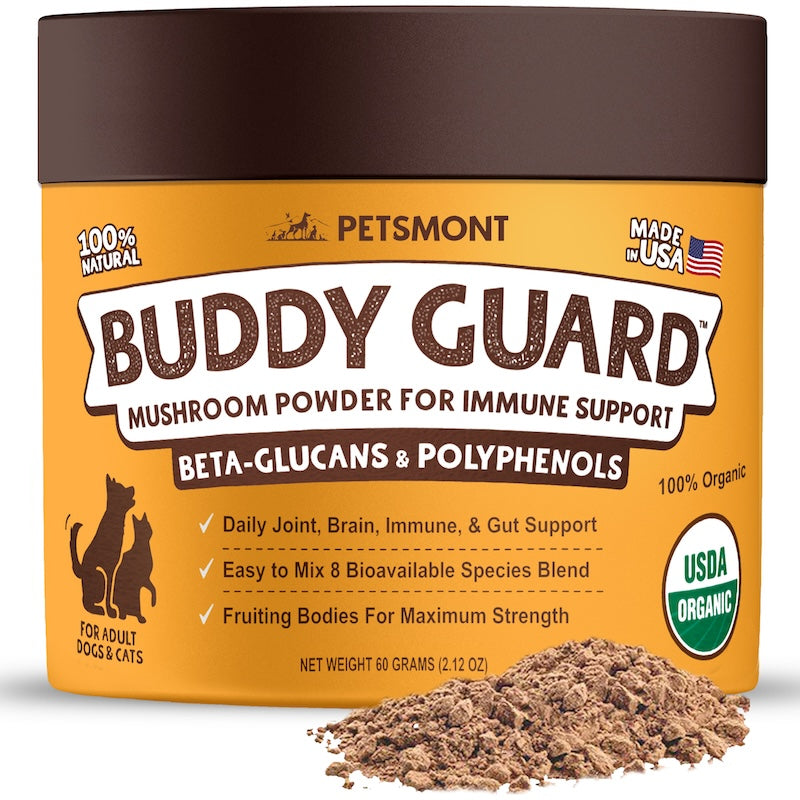
Mushroom supplement for dogs · daily food topper
The supplement that doesn’t need its own routine.
A mushroom supplement for dogs that works as a daily food topper. Nine organic mushrooms in a fine powder that stirs straight into whatever is already in the bowl — once a day, every day.
60 g jar · 1/4 tsp per 25 lbs · wooden measuring spoon included
90-day money-back guarantee — even if the jar is empty
Why a topper wins
Every supplement works. The daily ones work best.
Mushrooms act gradually, through the immune system, which means the only variable that really matters is whether it gets given every single day. A capsule you have to hide in cheese gets skipped. A powder that goes over dinner does not.
- Goes on top of the meal you’re already serving. No second routine, no pill pockets, no negotiation at the bowl.
- A fine powder, not a granule. It disappears into food instead of sitting on top of it and getting nosed aside.
- One jar, one spoon, five seconds. The wooden measuring spoon is in the lid, so the serving is measured rather than guessed.

Three things worth checking
On any jar, including this one
Proof
Pet parents and vets, in their own words
He’s behaving like a puppy again
“I’ve noticed positive changes in his normal skin growths. Within a week, his energy seemed to improve tremendously, he’s behaving like a puppy again!”
It mixes seamlessly into food
“In my clinical experience, lumps and bumps are one of the most common concerns in aging pets. I’ve started adding Buddy Guard to my dog’s and cat’s food to help support their skin health and immune function. Their skin and coats look and feel healthier.”
 Dr. Emilia SimonianVeterinarian
Two years in, still going
“Tinkerbell and Puck are lucky adopted pups who have been taking Buddy Guard with their daily meals for over 2 years now. They have both shown better health and happiness as a result and love the taste, so I will continue to give it to them.”
Even my pickiest pet eats it
“I’m impressed with Buddy Guard’s clean, organic ingredients — especially the turkey-tail mushroom blend, which I use in my veterinary practice for its immune-supporting benefits. Even my pickiest pet happily eats it when I sprinkle it over her food.”
 Dr. Katie HoganDVM
Fewer flare-ups
“Honestly this surprised me. My dog has bad yeast flare ups which lead to skin infections. They have had less flare ups in the past month and some change and this is the only product I’ve added to their regime.”
A boost in his overall energy
“I started using it for my own 7-year-old Rottweiler, who was beginning to slow down with age. Since adding this supplement to his routine, I’ve noticed a noticeable boost in his overall energy. It’s a great natural option to support immune health — especially for aging, senior, large-breed dogs like my own.”
 Dr. Brianna BrownDVM
The rest of the routine
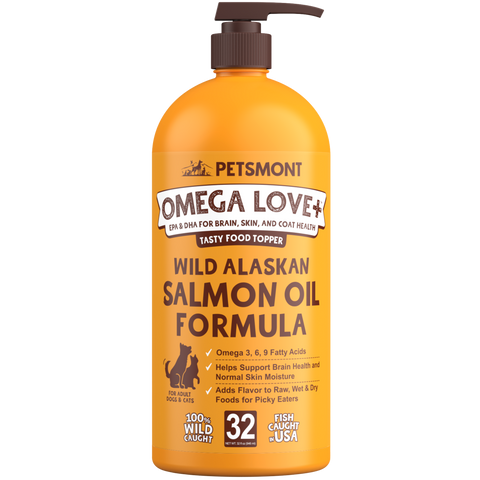
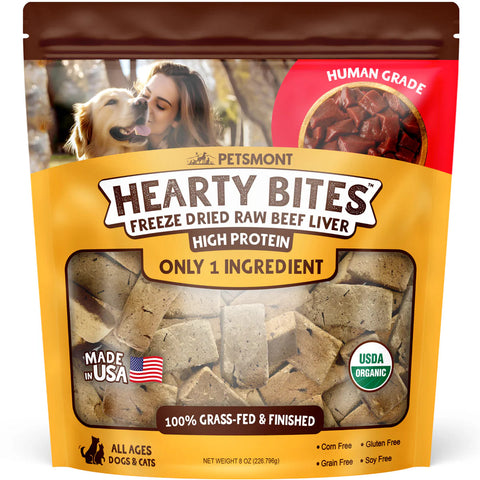
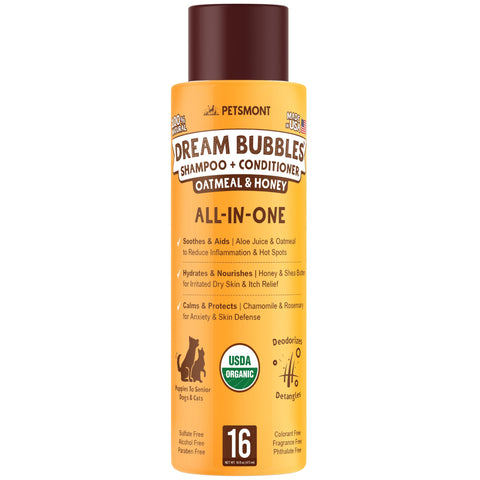
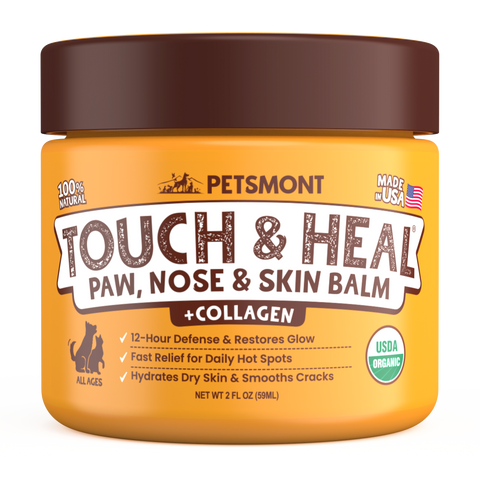
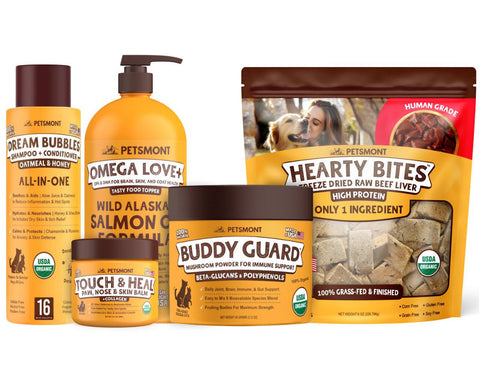
More Petsmont for dogs
Same standards, same guarantee. Built to sit alongside Buddy Guard rather than duplicate it.
Straight answers
Questions people actually ask
Does it change how the food tastes?
It smells savoury, like mushrooms — most dogs eat it without noticing. If yours hesitates, add a splash of water to turn the powder into a light gravy.
How much do I use?
1/4 tsp (0.5 g) per 25 lbs of body weight, once daily. The wooden spoon in the lid is the exact measure.
Does it work with wet food and raw?
Yes — dry, wet, raw or freeze-dried. It mixes into all of them without changing the texture of the meal.
How long until I notice anything?
Every dog is different. Based on customer feedback, most pet parents report noticing changes in overall wellness and skin health within 2–3 months. Consistency is the mechanism.

One scoop a day
Ninety days to build the habit. The jar can be empty.
If your dog won’t eat it, or you’re not satisfied for any reason at all, we send a prepaid label and refund you in full. You’re risking a bowl of mushroom powder and about three months of consistency.
Buddy Guard is a food supplement and is not intended to diagnose, treat, cure or prevent any disease. Every dog is different, and customer reports are not a promise of results. Not recommended for pets with kidney or liver disease or damage, or insulin-dependent diabetes, without veterinary oversight. Always consult your veterinarian.
 Buddy Guard
$42.95
Buddy Guard
$42.95


