


The holiday season is a time for family gatherings, festive meals, decorations, and celebrations. While we look forward to the excitement, our pets may experience the holidays a little differently. New foods, unfamiliar visitors, sparkling decorations, and loud celebrations can introduce unexpected risks for dogs and cats.
Whether you're celebrating Christmas, Hanukkah, or ringing in the New Year, a little preparation can go a long way toward keeping your four legged family members happy, healthy, and safe.
Here are some important holiday safety tips every pet owner should know.
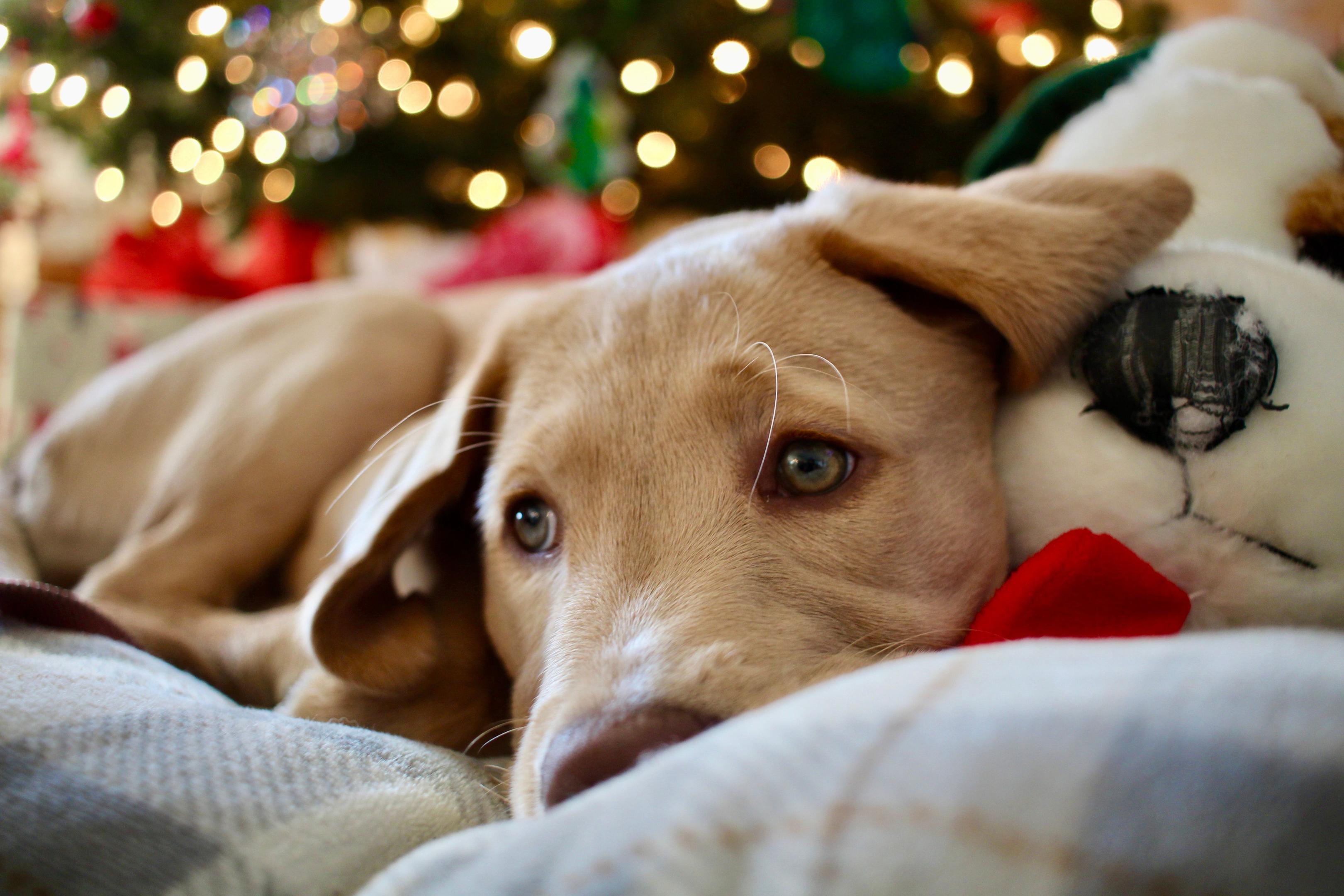
1. Dangerous Holiday Foods: What Your Pet Should Avoid
Holiday meals are often the highlight of the season, and it's tempting to share part of the holiday meal with our pets. However, holiday treats or other tasty treats from the table can create holiday hazards, and many foods commonly found on holiday tables can be toxic to dogs and cats. Even foods that aren't technically poisonous can cause digestive upset or more serious complications when consumed in large quantities.
Some of the biggest food hazards include:
-
Chocolate: Contains theobromine and caffeine, compounds that dogs and cats metabolize poorly; chocolate is toxic to dogs and cats. Dark chocolate, especially unsweetened or baking chocolate, is particularly dangerous. Ingestion can cause vomiting, restlessness, increased heart rate, tremors, and seizures, so contact your veterinarian immediately if ingestion is suspected.
-
Grapes and raisins: Can cause acute kidney failure in dogs and cats. The toxic dose is unpredictable, so even small amounts should be taken seriously.
-
Onions, garlic, leeks, and chives: Members of the Allium family can damage red blood cells, potentially leading to anemia. These ingredients are frequently found in stuffing, gravies, sauces, and seasoned dishes, and the pet health consequences from these food items can be severe.
-
Xylitol (birch sugar): This artificial sweetener, found in some sugar free candies, baked goods, and chewing gums, is highly toxic to dogs and can cause a dangerous drop in blood sugar and potentially liver injury. Some peanut butters may also contain xylitol, so check labels carefully.
-
Alcohol: Even small amounts can cause intoxication, low blood sugar, low body temperature, and potentially dangerous neurological effects.
-
Macadamia nuts: Can cause weakness, vomiting, tremors, and difficulty walking in dogs.
-
Fatty foods and table scraps: Rich foods such as turkey skin, ham, gravy, and buttery side dishes can upset a dog's stomach; rich holiday treats and table scraps can also lead to pancreatitis and stomach upset.
-
Cooked bones: Turkey, chicken, and other bones from a holiday meal can splinter, causing choking hazards for pets, injuring the dog's mouth or pet's mouth, and damaging the gastrointestinal tract or intestinal tract.
Don't let guests feed pets table scraps or other food items during gatherings.
A holiday food safety tip: If you want your pet to participate in the festivities, offer a small portion of plain, boneless, skinless, fully cooked turkey without seasoning, onions, garlic, or sauces. Always keep portions modest and avoid introducing unfamiliar foods. Secure leftovers in a closed trash can so many dogs cannot scavenge scraps or bones (Foster, 2023).
If your pet eats something potentially toxic or dangerous, contact your veterinarian immediately. Don't wait for symptoms to appear, and never attempt to induce vomiting unless instructed by a veterinary professional.
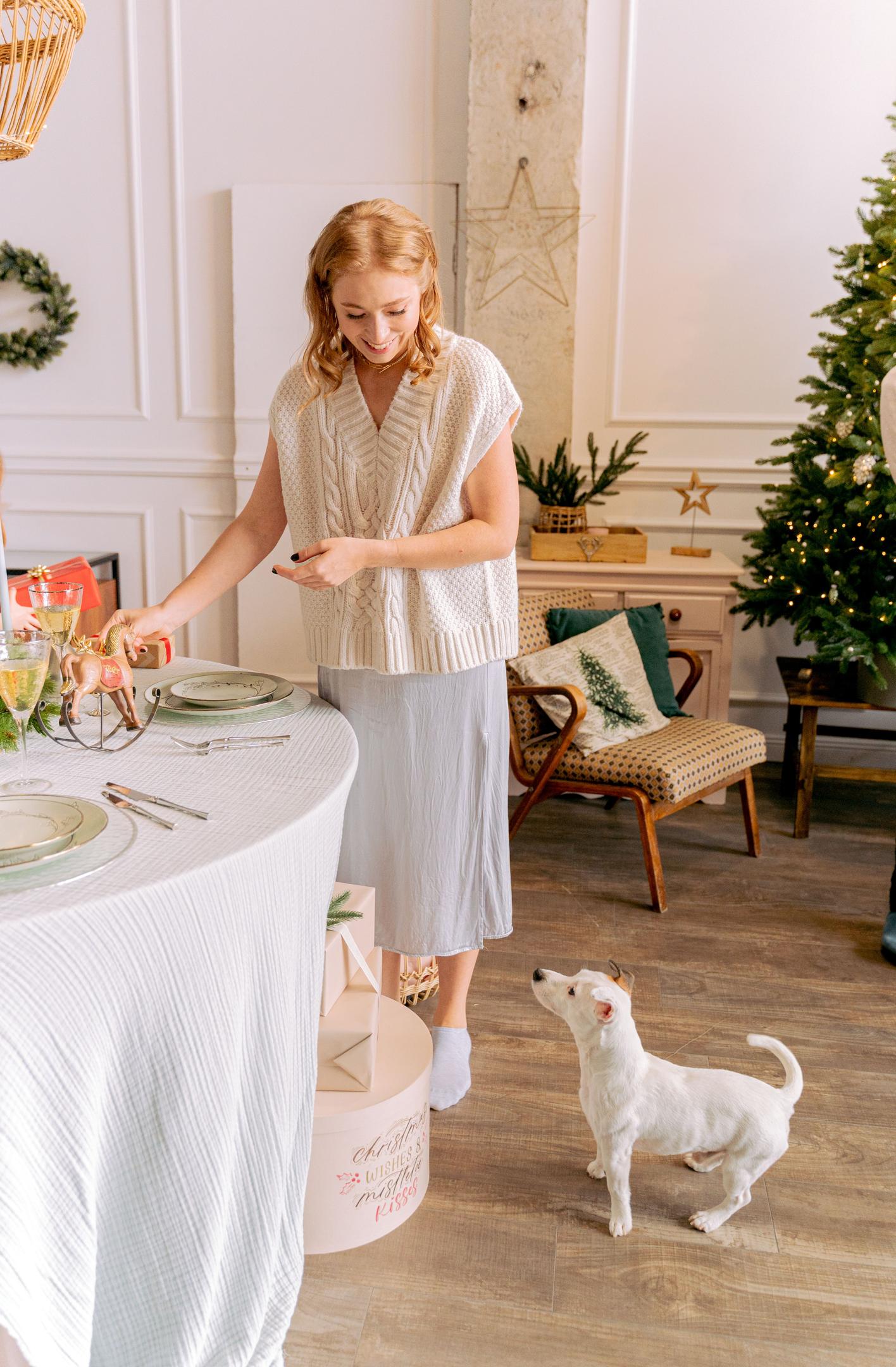
2. Christmas Decorations: Beautiful for Us, Dangerous for Pets
Holiday decorations can become hidden hazards during festive celebrations, especially for curious pets.
Christmas trees
Both real and artificial trees can present hazards. Pine needles can irritate the mouth and digestive system if swallowed, while tree water may contain bacteria, fertilizers, preservatives, or other additives and can be toxic if ingested, causing stomach upset.
Cats, in particular, may see a Christmas tree as an irresistible climbing opportunity. Secure your tree to prevent it from tipping over, and keep breakable ornaments and electrical cords out of reach. If you have other pets, a well secured tree also helps protect nearby animals from injury. Securing holiday decorations and electrical cords can help keep your pets safe.
Tinsel, ribbons, and wrapping materials
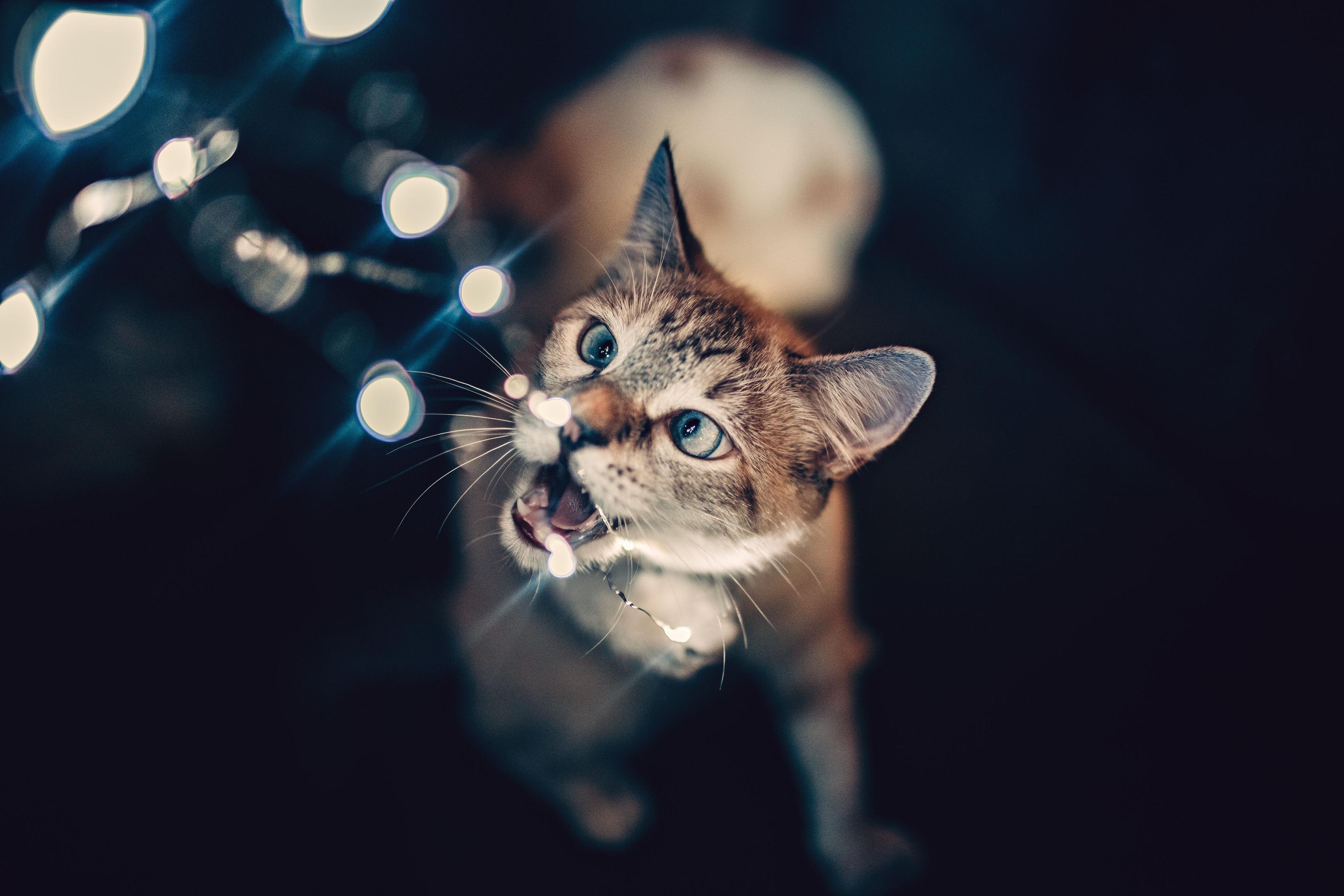
Cats are especially attracted to shiny tinsel, ribbons, string like decorations, and packaging materials. Unfortunately, swallowing these materials can cause a serious intestinal obstruction known as a linear foreign body, and tinsel, ribbons, or wrapping paper may also obstruct the gastrointestinal tract. This can require emergency surgery. Keep wrapping paper, ribbons, bows, gift packaging, and stocking stuffers with edible or chewable items out of reach when they're not being used.
Electrical cords and lights
Chewing electrical cords can cause burns to the mouth, electric shock, and potentially life threatening complications. Use cord protectors, hide exposed wiring, and unplug decorative lights when you're away from home.
Common holiday plants
Some popular seasonal plants can also be dangerous:
-
Lilies: Extremely toxic to cats. Even small exposures, including pollen or water from the vase, can cause acute kidney failure.
-
Holly: Contains saponins that can cause vomiting and diarrhea, and its spiky leaves may also injure a pet's mouth.
-
Mistletoe: Certain varieties can cause gastrointestinal and cardiovascular problems, along with vomiting and difficulty breathing, and some species may lead to liver failure.
-
Poinsettias: Often described as highly toxic, but their toxicity is generally mild. They can irritate the pet's mouth and stomach, sometimes resulting in drooling and vomiting.
-
Daffodils and narcissi: These festive plants are also toxic seasonal bulbs that should be kept away from pets.
When in doubt, choose pet safe alternatives and keep seasonal plants out of reach (Milewski and Khan, 2006).
3. Fireworks and Loud Noises: Helping Pets Through New Year's Eve
For many pets, New Year's Eve and holiday parties are some of the most stressful times of the year. Fireworks, firecrackers, loud music, and unexpected noises can trigger significant fear and anxiety, and fireworks can cause panic in pets.
Dogs and cats have more sensitive hearing than humans, making sudden explosive sounds particularly overwhelming. Some pets may shake, pant, hide, vocalize, pace, or attempt to escape, and holiday gatherings and festive celebrations can heighten anxiety for some pets. In severe cases, noise related fear can lead to destructive behavior or accidental injuries (Riemer, 2019).
How to help your pet feel safer:
-
Create a safe space: Set up a quiet room with familiar bedding, toys, and access to fresh water, and provide a quiet space away from noise and activity. Allow your pet to choose where they feel most comfortable.
-
Close windows and curtains: This helps reduce both the sound and visual stimulation from fireworks.
-
Use background noise: Turn on a television, fan, or calming music to help mask sudden loud sounds.
-
Keep pets indoors: Never leave dogs or cats outside during fireworks or let them roam during celebrations; keep your pets away from doors, food, leftovers, and wrapping supplies that could add to their stress. Even normally calm pets can panic and escape.
-
Provide identification: Make sure your pet's collar and identification tags are up to date. Microchip information should also be current.
-
Stay calm: Your presence can provide reassurance. It's perfectly okay to comfort your pet if they're frightened.
-
Plan ahead for severe anxiety: If your pet has a history of significant noise phobia, talk to your veterinarian before the holidays. Prescription anti anxiety medications, calming medications, and behavior modification strategies may help some pets during stressful times.
One important reminder: Never punish a pet for reacting fearfully to fireworks. Fear is an emotional response, not bad behavior (van Herwijnen et al., 2024).
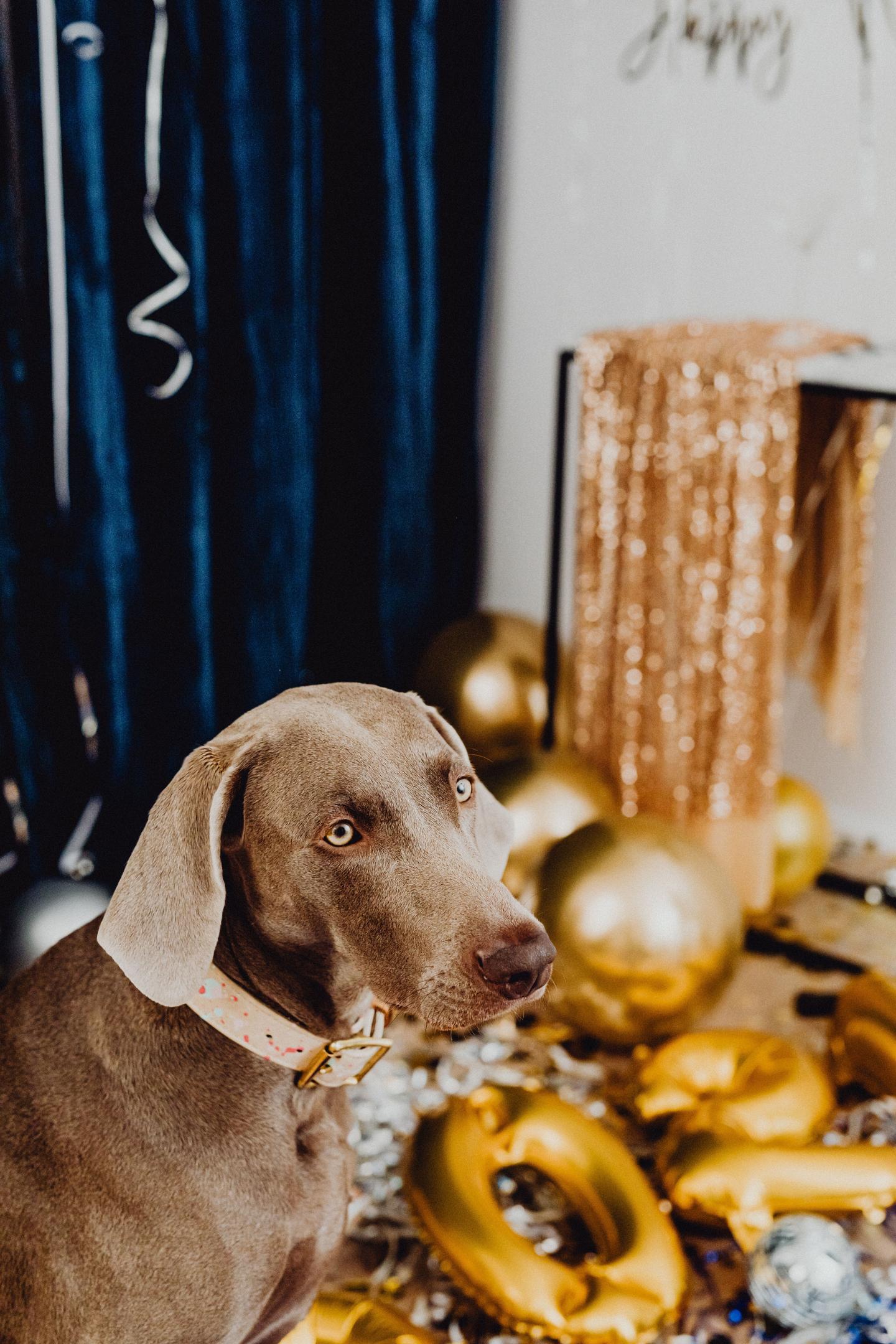
4. Holiday Guests, Visitors, and Changes in Routine
While holiday gatherings are exciting for people, they can be overwhelming for pets. A house full of unfamiliar faces, children, loud conversations, and constant activity can disrupt their normal routines.
Some pets become anxious around strangers, and new visitors are a common source of stress for many dogs and cats during holiday gatherings, while others may become overstimulated by the additional attention.
A few simple precautions can make gatherings safer:
-
Give pets an escape route: Make sure they have access to a quiet room or other quiet space where they can retreat if they need a break.
-
Supervise interactions with children: Teach children to approach animals gently and avoid pulling tails, hugging tightly, or disturbing pets while eating or sleeping.
-
Watch the front door: Frequent visitors increase the risk of pets slipping outside unnoticed, and guests can inadvertently let pets escape when people are coming and going often.
-
Avoid forced interactions: Don't make your pet socialize if they seem uncomfortable.
-
Maintain regular routines: Try to keep feeding times, walks, exercise, and rest periods as consistent as possible.
Remember that not every pet enjoys a party. Sometimes the kindest thing you can do is let them relax in a separate, comfortable space.
5. Cold Weather and Winter Safety
Depending on where you live, the holidays may also bring cold temperatures and winter weather. Although some pets tolerate cold better than others, all animals can be affected by extreme temperatures. Short haired breeds, puppies, senior dogs, and pets with certain medical conditions may be particularly vulnerable to cold exposure.
Keep these precautions in mind:
-
Limit outdoor exposure during particularly cold or wet weather.
-
Consider sweaters or jackets for dogs that struggle to stay warm.
-
Dry your pet thoroughly after walks in rain or snow.
-
Protect paws from ice, sharp surfaces, and irritating de icing products.
-
Never leave pets unattended in a cold vehicle.
If you live somewhere that uses antifreeze, be especially careful. Ethylene glycol, a common ingredient in some antifreeze products, is extremely toxic to dogs and cats. Even small amounts can cause severe kidney damage and are lethal to pets (Bourne, 2019).
6. Holiday Candles, Essential Oils, and Air Fresheners
Seasonal fragrances are another common part of holiday celebrations. Scented candles, essential oil diffusers, incense, and air fresheners can make your home smell festive, but they aren't always pet friendly. Candles present an obvious fire and burn hazard, especially around curious cats and energetic dogs. Keep them on stable surfaces where pets cannot reach them, and never leave an open flame unattended.
Essential oils deserve additional attention. Certain concentrated oils, including tea tree, eucalyptus, peppermint, and wintergreen, can be harmful to pets, particularly cats. Exposure may occur through ingestion, skin contact, or inhalation, depending on the oil and concentration (Sivamaruthi et al., 2024).
Use caution with diffusers and concentrated fragrance products, and avoid applying essential oils directly to your pet unless specifically directed by a veterinarian.
7. Travel and Boarding During the Holidays
Whether you're visiting family, taking a road trip, or leaving town for the holidays, travel introduces another set of considerations for pet owners (Yilmaz, 2023).
If your pet is traveling with you:
-
Use an appropriate travel carrier or crash tested restraint system.
-
Bring familiar bedding, food, medications, and favorite toys.
-
Never leave your pet alone in a parked vehicle.
-
Make frequent stops during longer road trips to allow dogs to stretch, drink water, and relieve themselves.
-
Ensure your pet's identification and microchip information are current.
If your pet is staying at a boarding facility or with a pet sitter, arrange everything in advance. Make sure their vaccinations are up to date, provide clear feeding and medication instructions, and leave emergency veterinary contact information (Part et al., 2014).
For pets that experience separation anxiety, maintaining familiar routines and surroundings can make the transition easier (Jahn, 2026).
8. Know When to Seek Veterinary Attention
Plan ahead for the most common holiday hazards, since holiday gatherings can increase stress for pets. A little preparation supports pet health and recognizing hazardous festive dishes can help prevent emergency visits during the holiday season.
Contact your veterinarian or an emergency veterinary clinic if your pet experiences:
-
Repeated vomiting or diarrhea.
-
Excessive drooling or unusual lethargy.
-
Tremors, seizures, or difficulty walking.
-
Difficulty breathing or collapse.
-
Abdominal pain or a swollen abdomen.
-
Suspected ingestion of toxic foods, plants, medications, or chemicals.
-
Signs of intestinal obstruction, such as repeated vomiting, loss of appetite, or abdominal discomfort.
Provide a quiet space for pets during gatherings, and keep emergency contacts, including the nearest source of emergency veterinary care, easy to access.
For suspected poisoning, don't wait for symptoms to develop. Some toxins can cause serious internal damage before obvious signs appear.
Keep the contact information for your regular veterinarian and identify the nearest emergency veterinary hospital before the holidays, so it's easily accessible throughout the season.
Holiday Safety Tips: Making the Holidays Safe for Everyone
The holidays should be a time of celebration for the entire family, including our pets. While festive foods, decorations, visitors, and fireworks can introduce unexpected hazards, most holiday related accidents are preventable with a little planning and awareness.
Remember to keep potentially dangerous foods and decorations out of reach, provide a quiet retreat during busy gatherings, and take extra precautions during fireworks celebrations.
Most importantly, pay attention to your pet's individual needs. Every animal has a different tolerance for noise, social interaction, travel, and changes in routine.
A little extra preparation can help ensure that the only surprises this holiday season are the good ones.
From all of us, we wish you and your furry family members a happy, healthy, and safe holiday season!
References
Bourne, D. (2019). It's cold out there. Companion Animal, 24(2), 65-65.
Foster, R. (2023). Holiday Foods You Need to Keep Away From Your Pets. Consumer Health News (English), NA-NA.
Jahn, K. (2026). Travel-Related Problems in Dogs and Cats. Advances in Small Animal Care, 7(1), 23-34.
Milewski, L. M., & Khan, S. A. (2006). An overview of potentially life‐threatening poisonous plants in dogs and cats. Journal of Veterinary Emergency and Critical Care, 16(1), 25-33.
Part, C. E., Kiddie, J. L., Hayes, W. A., Mills, D. S., Neville, R. F., Morton, D. B., & Collins, L. M. (2014). Physiological, physical and behavioural changes in dogs (Canis familiaris) when kennelled: Testing the validity of stress parameters. Physiology & Behavior, 133, 260-271.
Riemer, S. (2019). Not a one-way road—Severity, progression and prevention of firework fears in dogs. PLoS One, 14(9), e0218150.
Sivamaruthi, B. S., Kesika, P., Daungchana, N., Sisubalan, N., & Chaiyasut, C. (2024). Composition, bioactivities, microbiome, safety concerns, and impact of essential oils on the health status of domestic animals. Applied Sciences, 14(16), 6882.
van Herwijnen, I. R., Vinke, C. M., Arndt, S. S., & Roulaux, P. E. (2024). Firework aversion in cats and dogs as reported by Dutch animal owners. Veterinary and Animal Science, 26, 100402.
Yılmaz, B. S. (2023). Travelling with pets... or not. PressAcademia Procedia, 17(1), 105-112.
Related Posts
Ergothioneine and Mushroom Supplements for Dogs: The Science Behind This Powerful Antioxidant
Mushrooms have become increasingly popular in the world of pet wellness, and for good reason. Certain medicinal mushrooms contain naturally occurring compounds that may help support immune function, cellular health, and the body's abilit...
Chocolate Toxicity in Pets: A Halloween Safety Guide for Pet Owners
Halloween brings costumes, decorations, trick-or-treating, and plenty of sweet treats, but it also raises the risk of chocolate toxicity in pets. Chocolate is toxic to dogs and cats because it contains theobromine and caffeine, which pet...
DHA and EPA: The Importance of Omega Fatty Acids in Dogs and Cats
Your aging pet may seem to be doing great, but aging can also bring changes that are difficult to see. Your energetic companion may become slower on walks, take longer to get comfortable after resting, or seem less responsive to familiar...


Leave a comment